
Recent from talks
Frederick Law Olmsted Jr.
Knowledge base stats:
Talk channels stats:
Members stats:
Frederick Law Olmsted Jr.
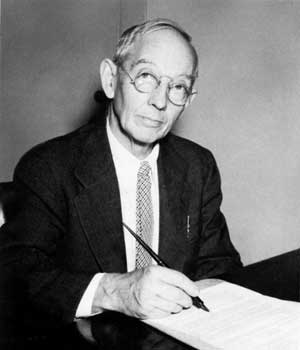
Frederick Law Olmsted Jr. (July 24, 1870 – December 25, 1957) was an American landscape architect and city planner known for his wildlife conservation efforts. He had a lifetime commitment to national parks, and worked on projects in Acadia National Park, the Everglades and Yosemite National Park. He gained national recognition by filling in for his father on the Park Improvement Commission for the District of Columbia beginning in 1901, and by contributing to the famous McMillan Commission Plan for redesigning Washington according to a revised version of the original L’Enfant Plan. Olmsted Point in Yosemite and Olmsted Island at Great Falls of the Potomac River in Maryland are named after him.
The son of Frederick Law Olmsted Sr., he and his older half-brother John C. Olmsted created Olmsted Brothers about 1896 as a successor firm to their father's firm. They had both worked with him before his retirement. Soon after his father's death, Olmsted stopped using the suffix "Jr." Works attributed to Frederick Law Olmsted after about 1896 are those of this son.
Olmsted was born in 1870 on Staten Island, New York, the youngest surviving child of three born to Frederick Law Olmsted, a landscape architect and journalist, and Mary Cleveland (née Perkins). Their first son died in infancy. Frederick Jr. had an older sister and three older half-siblings. At birth he was named Henry Perkins Olmsted, but at age seven he was rechristened as Frederick Law Olmsted Jr. He went by "Rick."
His mother had been married before, to Frederick's brother, and widowed after John Olmsted died of tuberculosis. His father married the widowed Mary a couple of years later and adopted their three children. Among them was John Charles Olmsted, born in 1852, and a younger sister and brother.
After graduating from the Roxbury Latin School in 1890, Olmsted began his design career as an apprentice to his noted father. Olmsted worked early on two significant projects: the 1893 World's Columbian Exposition in Chicago, and the largest privately owned home in the United States—the George Vanderbilt estate in North Carolina, known as the Biltmore Estate.
After this apprenticeship, Olmsted entered Harvard College. He earned his bachelor's degree in 1894.
After graduation, Olmsted became a partner in his father's Brookline, Massachusetts landscape architecture firm in 1895. His older half-brother John was already working there. Shortly thereafter, his father retired. Olmsted and John quickly took over leadership of the firm, although Olmsted was the "driving force" in the company. For the next half-century, the Olmsted Brothers firm completed thousands of landscape projects nationwide. In 1900, Olmsted returned to Harvard to teach. He also established the school's first formal training program in landscape architecture.
In 1901, Olmsted was appointed by President Theodore Roosevelt as a member of the Senate Park Improvement Commission for the District of Columbia, commonly known as the McMillan Commission. He joined other notable architects and designers such as Daniel H. Burnham, Charles F. McKim and Augustus Saint-Gaudens, who were charged to "restore and develop the century-old plans of Major L'Enfant for Washington and to fit them to the conditions of today." Olmsted, aged 30, led his colleagues on a tour of Europe in order for them to deepen their understanding of European architecture and landscaping, but how to reshape Washington, D.C. Stops were made in Paris, Rome, Venice, Vienna and Budapest as well as pertinent towns, parks and public gardens, and private estates. Recognizing the age gap between himself and his peers, Olmsted called upon authoritative sources to educate them on the works of Andre Le Notre, parks, and city planning.
Hub AI
Frederick Law Olmsted Jr. AI simulator
(@Frederick Law Olmsted Jr._simulator)
Frederick Law Olmsted Jr.
Frederick Law Olmsted Jr. (July 24, 1870 – December 25, 1957) was an American landscape architect and city planner known for his wildlife conservation efforts. He had a lifetime commitment to national parks, and worked on projects in Acadia National Park, the Everglades and Yosemite National Park. He gained national recognition by filling in for his father on the Park Improvement Commission for the District of Columbia beginning in 1901, and by contributing to the famous McMillan Commission Plan for redesigning Washington according to a revised version of the original L’Enfant Plan. Olmsted Point in Yosemite and Olmsted Island at Great Falls of the Potomac River in Maryland are named after him.
The son of Frederick Law Olmsted Sr., he and his older half-brother John C. Olmsted created Olmsted Brothers about 1896 as a successor firm to their father's firm. They had both worked with him before his retirement. Soon after his father's death, Olmsted stopped using the suffix "Jr." Works attributed to Frederick Law Olmsted after about 1896 are those of this son.
Olmsted was born in 1870 on Staten Island, New York, the youngest surviving child of three born to Frederick Law Olmsted, a landscape architect and journalist, and Mary Cleveland (née Perkins). Their first son died in infancy. Frederick Jr. had an older sister and three older half-siblings. At birth he was named Henry Perkins Olmsted, but at age seven he was rechristened as Frederick Law Olmsted Jr. He went by "Rick."
His mother had been married before, to Frederick's brother, and widowed after John Olmsted died of tuberculosis. His father married the widowed Mary a couple of years later and adopted their three children. Among them was John Charles Olmsted, born in 1852, and a younger sister and brother.
After graduating from the Roxbury Latin School in 1890, Olmsted began his design career as an apprentice to his noted father. Olmsted worked early on two significant projects: the 1893 World's Columbian Exposition in Chicago, and the largest privately owned home in the United States—the George Vanderbilt estate in North Carolina, known as the Biltmore Estate.
After this apprenticeship, Olmsted entered Harvard College. He earned his bachelor's degree in 1894.
After graduation, Olmsted became a partner in his father's Brookline, Massachusetts landscape architecture firm in 1895. His older half-brother John was already working there. Shortly thereafter, his father retired. Olmsted and John quickly took over leadership of the firm, although Olmsted was the "driving force" in the company. For the next half-century, the Olmsted Brothers firm completed thousands of landscape projects nationwide. In 1900, Olmsted returned to Harvard to teach. He also established the school's first formal training program in landscape architecture.
In 1901, Olmsted was appointed by President Theodore Roosevelt as a member of the Senate Park Improvement Commission for the District of Columbia, commonly known as the McMillan Commission. He joined other notable architects and designers such as Daniel H. Burnham, Charles F. McKim and Augustus Saint-Gaudens, who were charged to "restore and develop the century-old plans of Major L'Enfant for Washington and to fit them to the conditions of today." Olmsted, aged 30, led his colleagues on a tour of Europe in order for them to deepen their understanding of European architecture and landscaping, but how to reshape Washington, D.C. Stops were made in Paris, Rome, Venice, Vienna and Budapest as well as pertinent towns, parks and public gardens, and private estates. Recognizing the age gap between himself and his peers, Olmsted called upon authoritative sources to educate them on the works of Andre Le Notre, parks, and city planning.
Recent media