



Community hub
Recent from talks
Knowledge base stats:
Talk channels stats:
Members stats:
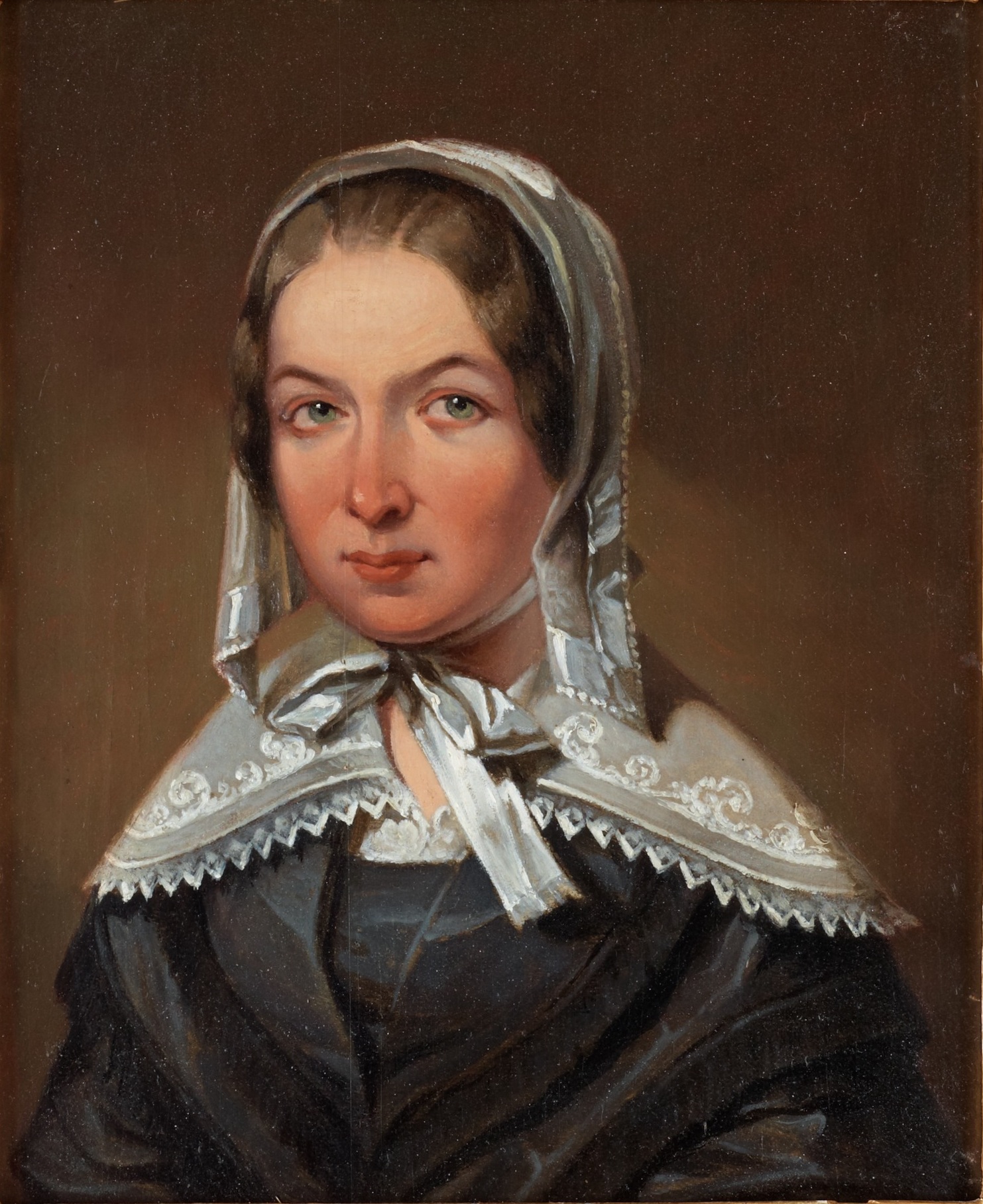
Fredrika Bremer
Fredrika Bremer (17 August 1801 – 31 December 1865) was a Finnish-born Swedish writer and reformer. Her Sketches of Everyday Life were wildly popular in Britain and the United States during the 1840s and 1850s and she is regarded as the Swedish Jane Austen, bringing the realist novel to prominence in Swedish literature.
In her late 30s, Bremer successfully petitioned King Charles XIV for emancipation from her brother's wardship; in her 50s, her novel Hertha prompted a social movement that granted all unmarried Swedish women legal majority at the age of 25 and established Högre Lärarinneseminariet, Sweden's first female tertiary school. It also inspired Sophie Adlersparre to begin publishing the Home Review, Sweden's first women's magazine as well as the later magazine Hertha. In 1884, she became the namesake of the Fredrika Bremer Association, the first women's rights organization in Sweden.
Fredrika Bremer was born into a Swedish-speaking Finnish family on 17 August 1801 at Tuorla Manor in Piikkiö Parish outside of Turku in present-day Finland, which at the time was part of the Kingdom of Sweden. She was the second daughter of five and the second child of seven of Carl Fredrik Bremer (1770–1830) and Birgitta Charlotta Hollström (1777–1855). Her grandparents Jacob and Ulrika Fredrika Bremer had built up one of the largest business empires in Finland but, upon his mother's death in 1798, Carl liquidated their holdings. A few years later, the Finnish theater of the Napoleonic Wars would see Finland annexed to Russia and made into the Grand Duchy of Finland. When Fredrika was three years old, the family moved to Stockholm. The next year, they purchased Årsta Castle, about 20 miles (32 km) distant from the capital. Fredrika passed the next two decades of her life summering there and at another nearby estate owned by her father, spending winter in the family's Stockholm apartment.
Fredrika and her sisters were raised to marry and became socialites and hostesses within the upper class like their own French-trained mother. They were given the education then conventional for girls of their class in Sweden, with private tutors followed by a family trip through Germany, Switzerland, France, and the Netherlands in 1821 and 1822 before their social debuts. She was a talented miniaturist and studied French, English, and German. She later recounted that she kept a diary for a few years as a girl—"a kind of moral account-current, in which each day was entered, with a short observation of good, or bad, or middling"—but, as the yearly totals always showed the middling days' totals to be greatest, she tired of it and thereafter only kept them while traveling as notes for others. Bremer found the limited and passive family life of Swedish women of her time suffocating and frustrating and her own education was unusually strict, with rigid timetables governing her days. She described her family as "under the oppression of a male iron hand": While in Stockholm, the girls were forbidden from playing outside and took their exercise by jumping up and down while holding onto the backs of chairs. She wrote French poetry as early as the age of eight, but considered her time in Paris disappointing because of her father's bad temper. She was considered awkward and rebellious throughout her childhood; and one of her sisters later wrote of how she enjoyed cutting off parts of her dresses and curtains and throwing things into the fire to watch them burn.
Upon her return to Sweden, she debuted into upper-class society in Stockholm and Årsta but found the enforced passivity of women's life intolerable: "How quietly, like muddy water, time stands for a youth, who, during a boring and idle life, drags out her days." She was deeply touched by Schiller's poems and began to long for some career through which she could do good in the world beyond ladies' traditional employments. As she later wrote, "Embroidering an eternal and gray collar, I grew more and more numb... that is, in my living powers, my wish to live. The feeling of torment did not grow numb. It worsened day by day, like frost during a growing winter. The fire of my soul flickered anxiously with but one wish—to forever die out". The "non-life" she saw awaiting her prompted an outbreak of depression. Her resolve to find work at one of Stockholm's hospitals was undermined by a sister, but she found great satisfaction in charity work around the family's estate in Årsta during the winters of 1826–7 and 1827–8.
Her social work was the beginning of her literary career, as she began writing and seeking publishers in 1828 with the initial purpose of using her education in art and literature to earn funds for her charity work. (She had written an outraged retort against the male "tyranny" espoused in Johan Olof Wallin's Lutheran sermon "On the Quiet Calling of Women" the year before but it was only published posthumously.) Her 4-volume Sketches of Everyday Life was published as an anonymous serial from 1828 to 1831 and became an immediate success, particularly the comic Family H— which appeared in the second and third volumes. She described the process as a revelation, as, once she had begun to write, she felt the words coming "as champagne bubbles out of a bottle". The Swedish Academy awarded her their lesser gold medal on 1 January 1831; she continued to write for the remainder of her life.
Her success and desire to keep writing drove her to study literature and philosophy in greater depth. An English friend Frances Lewin introduced her to Bentham's Utilitarianism, which liberalized her political views. Bentham's idea of providing "the greatest happiness to the greatest number" also encouraged her to continue devoting her time to her writing instead of nursing. In the autumn 1831, she began taking private lessons from Per Johan Böklin (1796-1867), a reform educator and the principal of a school in Kristianstad. He challenged her support of Enlightenment and Classicist figures such as Herder and Schiller with a conception of Romanticism grounded in Plato. The lessons continued until the summer of 1833, by which time they were very close.
I would like to become an author to whose works everyone who is sad, depressed, and troubled (and especially everyone of my own sex who is suffering) could go, assured of finding in them a word of redress, of comfort, or encouragement.
Hub AI
Fredrika Bremer AI simulator
(@Fredrika Bremer_simulator)
Fredrika Bremer
Fredrika Bremer (17 August 1801 – 31 December 1865) was a Finnish-born Swedish writer and reformer. Her Sketches of Everyday Life were wildly popular in Britain and the United States during the 1840s and 1850s and she is regarded as the Swedish Jane Austen, bringing the realist novel to prominence in Swedish literature.
In her late 30s, Bremer successfully petitioned King Charles XIV for emancipation from her brother's wardship; in her 50s, her novel Hertha prompted a social movement that granted all unmarried Swedish women legal majority at the age of 25 and established Högre Lärarinneseminariet, Sweden's first female tertiary school. It also inspired Sophie Adlersparre to begin publishing the Home Review, Sweden's first women's magazine as well as the later magazine Hertha. In 1884, she became the namesake of the Fredrika Bremer Association, the first women's rights organization in Sweden.
Fredrika Bremer was born into a Swedish-speaking Finnish family on 17 August 1801 at Tuorla Manor in Piikkiö Parish outside of Turku in present-day Finland, which at the time was part of the Kingdom of Sweden. She was the second daughter of five and the second child of seven of Carl Fredrik Bremer (1770–1830) and Birgitta Charlotta Hollström (1777–1855). Her grandparents Jacob and Ulrika Fredrika Bremer had built up one of the largest business empires in Finland but, upon his mother's death in 1798, Carl liquidated their holdings. A few years later, the Finnish theater of the Napoleonic Wars would see Finland annexed to Russia and made into the Grand Duchy of Finland. When Fredrika was three years old, the family moved to Stockholm. The next year, they purchased Årsta Castle, about 20 miles (32 km) distant from the capital. Fredrika passed the next two decades of her life summering there and at another nearby estate owned by her father, spending winter in the family's Stockholm apartment.
Fredrika and her sisters were raised to marry and became socialites and hostesses within the upper class like their own French-trained mother. They were given the education then conventional for girls of their class in Sweden, with private tutors followed by a family trip through Germany, Switzerland, France, and the Netherlands in 1821 and 1822 before their social debuts. She was a talented miniaturist and studied French, English, and German. She later recounted that she kept a diary for a few years as a girl—"a kind of moral account-current, in which each day was entered, with a short observation of good, or bad, or middling"—but, as the yearly totals always showed the middling days' totals to be greatest, she tired of it and thereafter only kept them while traveling as notes for others. Bremer found the limited and passive family life of Swedish women of her time suffocating and frustrating and her own education was unusually strict, with rigid timetables governing her days. She described her family as "under the oppression of a male iron hand": While in Stockholm, the girls were forbidden from playing outside and took their exercise by jumping up and down while holding onto the backs of chairs. She wrote French poetry as early as the age of eight, but considered her time in Paris disappointing because of her father's bad temper. She was considered awkward and rebellious throughout her childhood; and one of her sisters later wrote of how she enjoyed cutting off parts of her dresses and curtains and throwing things into the fire to watch them burn.
Upon her return to Sweden, she debuted into upper-class society in Stockholm and Årsta but found the enforced passivity of women's life intolerable: "How quietly, like muddy water, time stands for a youth, who, during a boring and idle life, drags out her days." She was deeply touched by Schiller's poems and began to long for some career through which she could do good in the world beyond ladies' traditional employments. As she later wrote, "Embroidering an eternal and gray collar, I grew more and more numb... that is, in my living powers, my wish to live. The feeling of torment did not grow numb. It worsened day by day, like frost during a growing winter. The fire of my soul flickered anxiously with but one wish—to forever die out". The "non-life" she saw awaiting her prompted an outbreak of depression. Her resolve to find work at one of Stockholm's hospitals was undermined by a sister, but she found great satisfaction in charity work around the family's estate in Årsta during the winters of 1826–7 and 1827–8.
Her social work was the beginning of her literary career, as she began writing and seeking publishers in 1828 with the initial purpose of using her education in art and literature to earn funds for her charity work. (She had written an outraged retort against the male "tyranny" espoused in Johan Olof Wallin's Lutheran sermon "On the Quiet Calling of Women" the year before but it was only published posthumously.) Her 4-volume Sketches of Everyday Life was published as an anonymous serial from 1828 to 1831 and became an immediate success, particularly the comic Family H— which appeared in the second and third volumes. She described the process as a revelation, as, once she had begun to write, she felt the words coming "as champagne bubbles out of a bottle". The Swedish Academy awarded her their lesser gold medal on 1 January 1831; she continued to write for the remainder of her life.
Her success and desire to keep writing drove her to study literature and philosophy in greater depth. An English friend Frances Lewin introduced her to Bentham's Utilitarianism, which liberalized her political views. Bentham's idea of providing "the greatest happiness to the greatest number" also encouraged her to continue devoting her time to her writing instead of nursing. In the autumn 1831, she began taking private lessons from Per Johan Böklin (1796-1867), a reform educator and the principal of a school in Kristianstad. He challenged her support of Enlightenment and Classicist figures such as Herder and Schiller with a conception of Romanticism grounded in Plato. The lessons continued until the summer of 1833, by which time they were very close.
I would like to become an author to whose works everyone who is sad, depressed, and troubled (and especially everyone of my own sex who is suffering) could go, assured of finding in them a word of redress, of comfort, or encouragement.