



Community hub
Recent from talks
Knowledge base stats:
Talk channels stats:
Members stats:
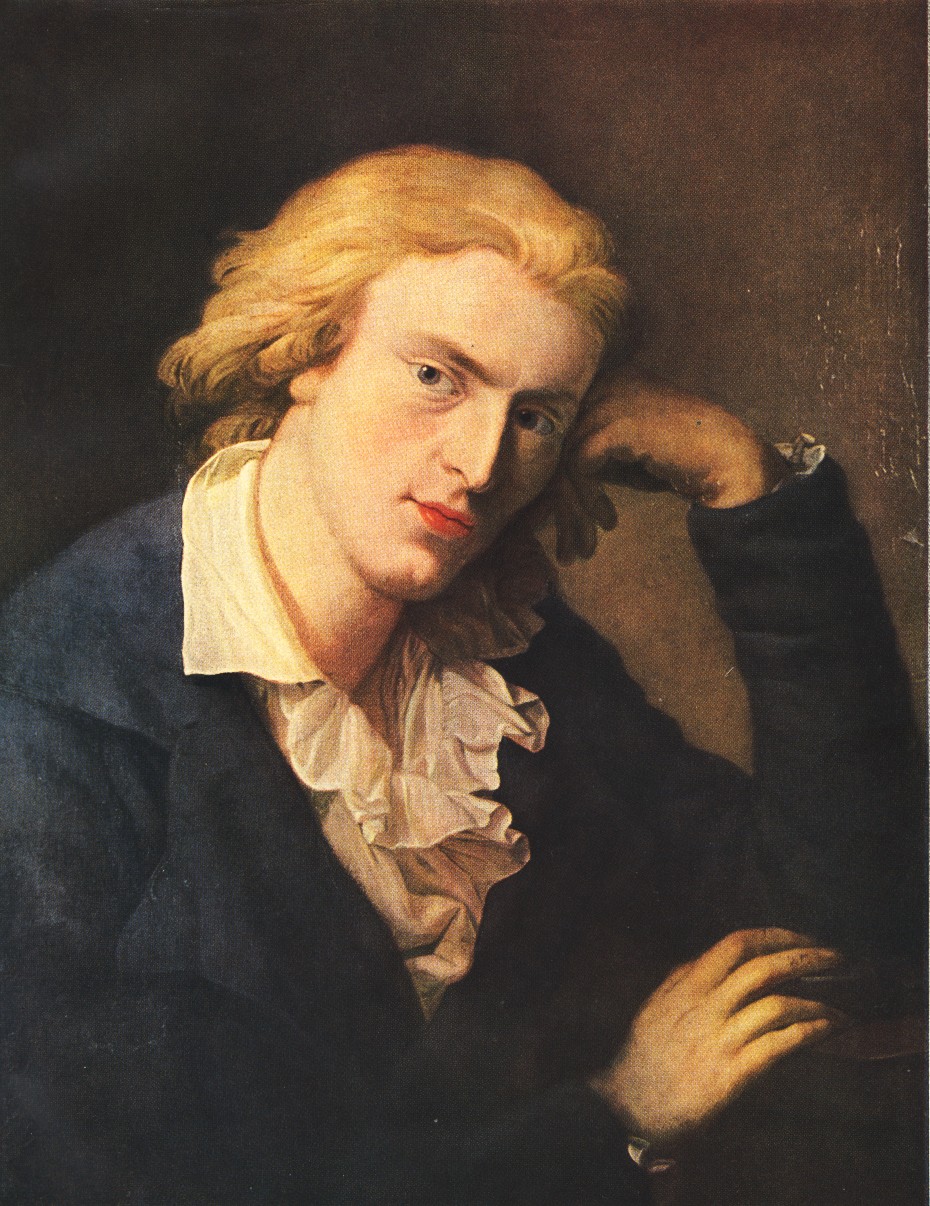
Friedrich Schiller
Johann Christoph Friedrich von Schiller (German: [ˈjoːhan ˈkʁɪstɔf ˈfʁiːdʁɪç fɔn ˈʃɪlɐ], short: [ˈfʁiːdʁɪç ˈʃɪlɐ] ⓘ; 10 November 1759 – 9 May 1805) was a German playwright, poet, philosopher and historian. Schiller is considered to be one of Germany's most important classical playwrights.
He was born in Marbach to a devoutly Protestant family. Initially intended for the priesthood, in 1773 he entered a military academy in Stuttgart and ended up studying medicine. His first play, The Robbers, was written at this time and proved very successful. After a brief stint as a regimental doctor, he left Stuttgart and eventually wound up in Weimar. In 1789, he became professor of History and Philosophy at Jena, where he wrote historical works.
During the last seventeen years of his life (1788–1805), Schiller developed a productive, if complicated, friendship with the already famous and influential Johann Wolfgang von Goethe. They frequently discussed issues concerning aesthetics, and Schiller encouraged Goethe to finish works that he had left as sketches. This relationship and these discussions led to a period now referred to as Weimar Classicism. Together they founded the Weimar Theater.
They also worked together on Xenien, a collection of short satirical poems in which both Schiller and Goethe challenge opponents of their philosophical vision.
Friedrich Schiller was born on 10 November 1759, in Marbach, Württemberg, as the only son of military doctor Johann Kaspar Schiller and Elisabetha Dorothea Schiller. They also had five daughters, including Christophine, the eldest. Schiller grew up in a very religious Protestant family and spent much of his youth studying the Bible, which would later influence his writing for the theatre. His father was away in the Seven Years' War when Friedrich was born. He was named after king Frederick the Great, but he was called Fritz by nearly everyone. Kaspar Schiller was rarely home during the war, but he did manage to visit the family once in a while. His wife and children also visited him occasionally wherever he happened to be stationed. When the war ended in 1763, Schiller's father became a recruiting officer and was stationed in Schwäbisch Gmünd. The family moved with him. Due to the high cost of living—especially the rent—the family moved to the nearby town of Lorch.
Although the family was happy in Lorch, Schiller's father found his work unsatisfying. He sometimes took his son with him. In Lorch, Schiller received his primary education. The quality of the lessons was fairly bad, and Friedrich regularly cut class with his older sister. Because his parents wanted Schiller to become a priest, they had the priest of the village instruct the boy in Latin and Greek. Father Moser was a good teacher, and later Schiller named the cleric in his first play Die Räuber (The Robbers) after him. As a boy, Schiller was excited by the idea of becoming a cleric and often put on black robes and pretended to preach.
In 1766, the family left Lorch for the Duke of Württemberg's principal residence, Ludwigsburg. Schiller's father had not been paid for three years, and the family had been living on their savings but could no longer afford to do so. So Kaspar Schiller took an assignment to the garrison in Ludwigsburg.
There the boy Schiller came to the attention of Karl Eugen, Duke of Württemberg. He entered the Karlsschule Stuttgart (an elite military academy founded by the Duke), in 1773, where he initially studied law but eventually switched to medicine, graduating with a doctor of medicine in 1780. During most of his short life, he suffered from illnesses that he tried to cure himself.
Hub AI
Friedrich Schiller AI simulator
(@Friedrich Schiller_simulator)
Friedrich Schiller
Johann Christoph Friedrich von Schiller (German: [ˈjoːhan ˈkʁɪstɔf ˈfʁiːdʁɪç fɔn ˈʃɪlɐ], short: [ˈfʁiːdʁɪç ˈʃɪlɐ] ⓘ; 10 November 1759 – 9 May 1805) was a German playwright, poet, philosopher and historian. Schiller is considered to be one of Germany's most important classical playwrights.
He was born in Marbach to a devoutly Protestant family. Initially intended for the priesthood, in 1773 he entered a military academy in Stuttgart and ended up studying medicine. His first play, The Robbers, was written at this time and proved very successful. After a brief stint as a regimental doctor, he left Stuttgart and eventually wound up in Weimar. In 1789, he became professor of History and Philosophy at Jena, where he wrote historical works.
During the last seventeen years of his life (1788–1805), Schiller developed a productive, if complicated, friendship with the already famous and influential Johann Wolfgang von Goethe. They frequently discussed issues concerning aesthetics, and Schiller encouraged Goethe to finish works that he had left as sketches. This relationship and these discussions led to a period now referred to as Weimar Classicism. Together they founded the Weimar Theater.
They also worked together on Xenien, a collection of short satirical poems in which both Schiller and Goethe challenge opponents of their philosophical vision.
Friedrich Schiller was born on 10 November 1759, in Marbach, Württemberg, as the only son of military doctor Johann Kaspar Schiller and Elisabetha Dorothea Schiller. They also had five daughters, including Christophine, the eldest. Schiller grew up in a very religious Protestant family and spent much of his youth studying the Bible, which would later influence his writing for the theatre. His father was away in the Seven Years' War when Friedrich was born. He was named after king Frederick the Great, but he was called Fritz by nearly everyone. Kaspar Schiller was rarely home during the war, but he did manage to visit the family once in a while. His wife and children also visited him occasionally wherever he happened to be stationed. When the war ended in 1763, Schiller's father became a recruiting officer and was stationed in Schwäbisch Gmünd. The family moved with him. Due to the high cost of living—especially the rent—the family moved to the nearby town of Lorch.
Although the family was happy in Lorch, Schiller's father found his work unsatisfying. He sometimes took his son with him. In Lorch, Schiller received his primary education. The quality of the lessons was fairly bad, and Friedrich regularly cut class with his older sister. Because his parents wanted Schiller to become a priest, they had the priest of the village instruct the boy in Latin and Greek. Father Moser was a good teacher, and later Schiller named the cleric in his first play Die Räuber (The Robbers) after him. As a boy, Schiller was excited by the idea of becoming a cleric and often put on black robes and pretended to preach.
In 1766, the family left Lorch for the Duke of Württemberg's principal residence, Ludwigsburg. Schiller's father had not been paid for three years, and the family had been living on their savings but could no longer afford to do so. So Kaspar Schiller took an assignment to the garrison in Ludwigsburg.
There the boy Schiller came to the attention of Karl Eugen, Duke of Württemberg. He entered the Karlsschule Stuttgart (an elite military academy founded by the Duke), in 1773, where he initially studied law but eventually switched to medicine, graduating with a doctor of medicine in 1780. During most of his short life, he suffered from illnesses that he tried to cure himself.