
Recent from talks
Furnace (central heating)
Knowledge base stats:
Talk channels stats:
Members stats:
Furnace (central heating)
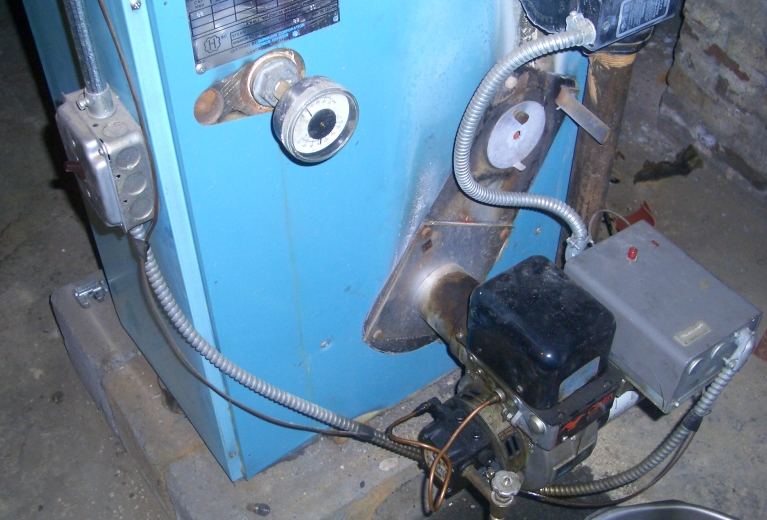
A furnace (American English), referred to as a heater or boiler in British English, is an appliance used to generate heat for all or part of a building. Furnaces are mostly used as a major component of a central heating system. Furnaces are permanently installed to provide heat to an interior space through intermediary fluid movement, which may be air, steam, or hot water. Heating appliances that use steam or hot water as the fluid are normally referred to as a residential steam boilers or residential hot water boilers. The most common fuel source for modern furnaces in North America and much of Europe is natural gas; other common fuel sources include LPG (liquefied petroleum gas), fuel oil, wood and in rare cases coal. In some areas electrical resistance heating is used, especially where the cost of electricity is low or the primary purpose is for air conditioning. Modern high-efficiency furnaces can be up to 98% efficient and operate without a chimney, with a typical gas furnace being about 80% efficient. Waste gas and heat are mechanically ventilated through either metal flue pipes or polyvinyl chloride (PVC) pipes that can be vented through the side or roof of the structure. Fuel efficiency in a gas furnace is measured in AFUE (Annual Fuel Utilization Efficiency).
The name derives from Latin word fornax, which means oven.
Furnaces can be classified into four general categories, based on efficiency and design, natural draft, forced-air, forced draft, and condensing.
The first category of furnaces is natural draft, atmospheric burner furnaces. These furnaces consisted of cast-iron or riveted-steel heat exchangers built within an outer shell of brick, masonry, or steel. The heat exchangers were vented through brick or masonry chimneys. Air circulation depended on large, upwardly pitched pipes constructed of wood or metal. The pipes would channel the warm air into floor or wall vents inside the home. This method of heating worked because warm air rises.
The system was simple, had few controls, a single automatic gas valve, and no blower. These furnaces could be made to work with any fuel simply by adapting the burner area. They have been operated with wood, coke, coal, trash, paper, natural gas, fuel oil as well as whale oil for a brief period at the turn of the century. Furnaces that used solid fuels required daily maintenance to remove ash and "clinkers" that accumulated in the bottom of the burner area. In later years, these furnaces were adapted with electric blowers to aid air distribution and speed moving heat into the home. Gas and oil-fired systems were usually controlled by a thermostat inside the home, while most wood and coal-fired furnaces had no electrical connection and were controlled by the amount of fuel in the burner and position of the fresh-air damper on the burner access door.
The second category of furnace is the forced-air having atmospheric burner style with a cast-iron or sectional steel heat exchanger. Through the 1950s and 1960s, this style of furnace was used to replace the big, natural draft systems, and was sometimes installed on the existing gravity duct work. The heated air was moved by blowers which were belted driven and designed for a wide range of speeds. These furnaces were still big and bulky compared to modern furnaces, and had heavy-steel exteriors with bolt-on removable panels. Energy efficiency would range anywhere from just over 50% to upward of 65% AFUE. This style furnace still used large, masonry or brick chimneys for flues and was eventually designed to accommodate air-conditioning systems.
The third category of furnace is the forced draft, mid-efficiency furnace with a steel heat exchanger and multi-speed blower. These furnaces were physically much more compact than the previous styles. They were equipped with combustion air blowers that would pull air through the heat exchanger which greatly increased fuel efficiency while allowing the heat exchangers to become smaller. These furnaces may have multi-speed blowers and were designed to work with central air-conditioning systems.
The fourth category of furnace is the high-efficiency condensing gas furnace. High efficiency condensing gas furnaces typically achieve between 90% and 98% AFUE. A condensing gas furnace includes a sealed combustion area, combustion draft inducer and a secondary heat exchanger. The primary gain in efficiency for a condensing gas furnace, as compared to a mid-efficiency forced-air or forced-draft furnace, is the capture of latent heat from the exhaust gases in the secondary heat exchanger. The secondary heat exchanger removes most of the heat energy from the exhaust gas, actually condensing water vapour and other chemicals (which form a mild acid) as it operates. The vent pipes, also known as the exhaust system, are often installed using PVC pipe instead of metal venting pipe to prevent corrosion, but this will vary based on geographical location of the installation and local regulations. The draft inducer allows for the exhaust piping to be routed vertically or horizontally as it exits the structure. A typical installation arrangement for high-efficiency furnaces includes a fresh air intake (supply) pipe that brings fresh air from outside the home to the furnace combustion unit. Normally the fresh combustion air is routed alongside the exhaust PVC during installation and the pipes exit through a sidewall of the home in the same location. High efficiency furnaces typically deliver a 25% to 35% fuel savings over a 60% AFUE furnace.
Hub AI
Furnace (central heating) AI simulator
(@Furnace (central heating)_simulator)
Furnace (central heating)
A furnace (American English), referred to as a heater or boiler in British English, is an appliance used to generate heat for all or part of a building. Furnaces are mostly used as a major component of a central heating system. Furnaces are permanently installed to provide heat to an interior space through intermediary fluid movement, which may be air, steam, or hot water. Heating appliances that use steam or hot water as the fluid are normally referred to as a residential steam boilers or residential hot water boilers. The most common fuel source for modern furnaces in North America and much of Europe is natural gas; other common fuel sources include LPG (liquefied petroleum gas), fuel oil, wood and in rare cases coal. In some areas electrical resistance heating is used, especially where the cost of electricity is low or the primary purpose is for air conditioning. Modern high-efficiency furnaces can be up to 98% efficient and operate without a chimney, with a typical gas furnace being about 80% efficient. Waste gas and heat are mechanically ventilated through either metal flue pipes or polyvinyl chloride (PVC) pipes that can be vented through the side or roof of the structure. Fuel efficiency in a gas furnace is measured in AFUE (Annual Fuel Utilization Efficiency).
The name derives from Latin word fornax, which means oven.
Furnaces can be classified into four general categories, based on efficiency and design, natural draft, forced-air, forced draft, and condensing.
The first category of furnaces is natural draft, atmospheric burner furnaces. These furnaces consisted of cast-iron or riveted-steel heat exchangers built within an outer shell of brick, masonry, or steel. The heat exchangers were vented through brick or masonry chimneys. Air circulation depended on large, upwardly pitched pipes constructed of wood or metal. The pipes would channel the warm air into floor or wall vents inside the home. This method of heating worked because warm air rises.
The system was simple, had few controls, a single automatic gas valve, and no blower. These furnaces could be made to work with any fuel simply by adapting the burner area. They have been operated with wood, coke, coal, trash, paper, natural gas, fuel oil as well as whale oil for a brief period at the turn of the century. Furnaces that used solid fuels required daily maintenance to remove ash and "clinkers" that accumulated in the bottom of the burner area. In later years, these furnaces were adapted with electric blowers to aid air distribution and speed moving heat into the home. Gas and oil-fired systems were usually controlled by a thermostat inside the home, while most wood and coal-fired furnaces had no electrical connection and were controlled by the amount of fuel in the burner and position of the fresh-air damper on the burner access door.
The second category of furnace is the forced-air having atmospheric burner style with a cast-iron or sectional steel heat exchanger. Through the 1950s and 1960s, this style of furnace was used to replace the big, natural draft systems, and was sometimes installed on the existing gravity duct work. The heated air was moved by blowers which were belted driven and designed for a wide range of speeds. These furnaces were still big and bulky compared to modern furnaces, and had heavy-steel exteriors with bolt-on removable panels. Energy efficiency would range anywhere from just over 50% to upward of 65% AFUE. This style furnace still used large, masonry or brick chimneys for flues and was eventually designed to accommodate air-conditioning systems.
The third category of furnace is the forced draft, mid-efficiency furnace with a steel heat exchanger and multi-speed blower. These furnaces were physically much more compact than the previous styles. They were equipped with combustion air blowers that would pull air through the heat exchanger which greatly increased fuel efficiency while allowing the heat exchangers to become smaller. These furnaces may have multi-speed blowers and were designed to work with central air-conditioning systems.
The fourth category of furnace is the high-efficiency condensing gas furnace. High efficiency condensing gas furnaces typically achieve between 90% and 98% AFUE. A condensing gas furnace includes a sealed combustion area, combustion draft inducer and a secondary heat exchanger. The primary gain in efficiency for a condensing gas furnace, as compared to a mid-efficiency forced-air or forced-draft furnace, is the capture of latent heat from the exhaust gases in the secondary heat exchanger. The secondary heat exchanger removes most of the heat energy from the exhaust gas, actually condensing water vapour and other chemicals (which form a mild acid) as it operates. The vent pipes, also known as the exhaust system, are often installed using PVC pipe instead of metal venting pipe to prevent corrosion, but this will vary based on geographical location of the installation and local regulations. The draft inducer allows for the exhaust piping to be routed vertically or horizontally as it exits the structure. A typical installation arrangement for high-efficiency furnaces includes a fresh air intake (supply) pipe that brings fresh air from outside the home to the furnace combustion unit. Normally the fresh combustion air is routed alongside the exhaust PVC during installation and the pipes exit through a sidewall of the home in the same location. High efficiency furnaces typically deliver a 25% to 35% fuel savings over a 60% AFUE furnace.
Recent media