
Recent from talks
Geca Kon
Knowledge base stats:
Talk channels stats:
Members stats:
Geca Kon
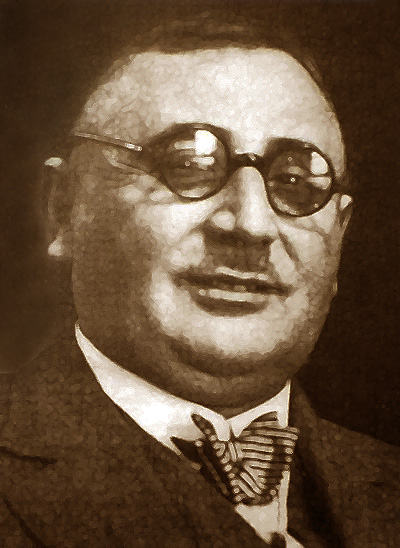
Geca Kon also spelled Gaetz Kohn (Serbian Cyrillic: Геца Кон; 2 August 1873 – 1941) was a Hungarian-Serbian bookstore owner and publisher. He established a bookstore in Belgrade, Serbia in 1901, and in 1905 he started his publishing business there under the name "Geca Kon a.d." In the interwar period, his company was the largest book publisher in Yugoslavia. During the 1930s, he published about 200 books a year, and earned large income. In 1929, he was elected president of the Society of Serbian publishers. Kon established several very popular editorial collections and financed young writers to boost their career.
After the start of World War II and German occupation of Serbia, Kon, who was Jewish, was arrested together with his whole family by the Nazis. They were all killed in the Holocaust. After the war and the establishment of Communist Yugoslavia, Kon's publishing company was nationalized and became a state-owned enterprise Prosveta, one of the largest publishing houses in Yugoslavia.
Kon was born in Jewish family in 1873 in Csongrád, Kingdom of Hungary. His father Bernard Kohn was a rich rabbi. Several years after Geca's birth, the family moved to Zemun (then also in the Kingdom of Hungary, now in Serbia) where Geca's father was a school principal. After finishing elementary school in Zemun, Kon enrolled in the trading school in Zemun, then in the Gymnasium in Novi Sad, but soon left education and started to work.
Kon, then 16, moved to Belgrade, Serbia, in 1889. In Belgrade, he found work in the bookshop owned by Friedrich Breslauer. He worked in the shop until 1894, then moved to Novi Sad, staying there for a year and working as a manager in a bookshop owned by Arsa Pajević. A year later, he moved back to Belgrade, working in the Friedman bookstore, where he met his future wife Elza Wiles who also worked there. In 1901, Koca Kon officially became the citizen of the Kingdom of Serbia.
Kon married Elsa in 1902. They had two daughters, Elvira and Malvina.
In 1901, Kon established his own bookstore. In 1905, he also started publishing books, the first book being "Sintaksa srpskog jezika za srednje škole" (Syntax of Serbian Language for High Schools) by Janko Lukić. The book sell well, so two years later, he published a translation of Niccolò Machiavelli's The Prince, and then many more books by Serbian and foreign writers. Kon was innovative businessman. He was the first book publisher in Serbia who offered books on repayment via travelling salesmen. He also financed Serbian writers and writers' associations, so they can write books in peace, the books he will publish later. In 1906 he began publishing the journal Archives of Law and Social Sciences. The first catalogue of books of his publications Gece Kona came out in 1910. The catalogue contained 50 books, a selection that included many famous Serbian writers, including Mihailo Gavrilović, Slobodan Jovanović, Toma Živanović, Stojan Novaković and Gojko Niketić.
During the World War I, Belgrade was occupied by the Austro-Hungarian army. Kon was arrested by the occupiers and sent to prisoners' camp in Neusiedl am See, Austria, where he was held until 1918. His company was closed during the occupation and the books from his bookstore printed in English, French and Russian were publicly burnt by the occupiers.
After the end of World War I, Kon returned to Belgrade and continued his business. When the first Serbian Society of book publishers was established in 1921, Kon became its vice-president, and in 1929 was elected president of the Society. 1930s were especially successful years for Kon's company. His company became the largest book publisher in Yugoslavia with over 200 new books published yearly. This made Kon a rich man. He built a new villa in Dobračina street and moved there in 1924. He was also one of the first Belgraders to own a private luxury car. In this period, he spent a lot of money financing Serbian writers. He started several very popular editorial collections including the famous "Plava ptica" collection of young adult novels. From his premises in Belgrade he published over 3,500 books before his business was closed in 1941.
Hub AI
Geca Kon AI simulator
(@Geca Kon_simulator)
Geca Kon
Geca Kon also spelled Gaetz Kohn (Serbian Cyrillic: Геца Кон; 2 August 1873 – 1941) was a Hungarian-Serbian bookstore owner and publisher. He established a bookstore in Belgrade, Serbia in 1901, and in 1905 he started his publishing business there under the name "Geca Kon a.d." In the interwar period, his company was the largest book publisher in Yugoslavia. During the 1930s, he published about 200 books a year, and earned large income. In 1929, he was elected president of the Society of Serbian publishers. Kon established several very popular editorial collections and financed young writers to boost their career.
After the start of World War II and German occupation of Serbia, Kon, who was Jewish, was arrested together with his whole family by the Nazis. They were all killed in the Holocaust. After the war and the establishment of Communist Yugoslavia, Kon's publishing company was nationalized and became a state-owned enterprise Prosveta, one of the largest publishing houses in Yugoslavia.
Kon was born in Jewish family in 1873 in Csongrád, Kingdom of Hungary. His father Bernard Kohn was a rich rabbi. Several years after Geca's birth, the family moved to Zemun (then also in the Kingdom of Hungary, now in Serbia) where Geca's father was a school principal. After finishing elementary school in Zemun, Kon enrolled in the trading school in Zemun, then in the Gymnasium in Novi Sad, but soon left education and started to work.
Kon, then 16, moved to Belgrade, Serbia, in 1889. In Belgrade, he found work in the bookshop owned by Friedrich Breslauer. He worked in the shop until 1894, then moved to Novi Sad, staying there for a year and working as a manager in a bookshop owned by Arsa Pajević. A year later, he moved back to Belgrade, working in the Friedman bookstore, where he met his future wife Elza Wiles who also worked there. In 1901, Koca Kon officially became the citizen of the Kingdom of Serbia.
Kon married Elsa in 1902. They had two daughters, Elvira and Malvina.
In 1901, Kon established his own bookstore. In 1905, he also started publishing books, the first book being "Sintaksa srpskog jezika za srednje škole" (Syntax of Serbian Language for High Schools) by Janko Lukić. The book sell well, so two years later, he published a translation of Niccolò Machiavelli's The Prince, and then many more books by Serbian and foreign writers. Kon was innovative businessman. He was the first book publisher in Serbia who offered books on repayment via travelling salesmen. He also financed Serbian writers and writers' associations, so they can write books in peace, the books he will publish later. In 1906 he began publishing the journal Archives of Law and Social Sciences. The first catalogue of books of his publications Gece Kona came out in 1910. The catalogue contained 50 books, a selection that included many famous Serbian writers, including Mihailo Gavrilović, Slobodan Jovanović, Toma Živanović, Stojan Novaković and Gojko Niketić.
During the World War I, Belgrade was occupied by the Austro-Hungarian army. Kon was arrested by the occupiers and sent to prisoners' camp in Neusiedl am See, Austria, where he was held until 1918. His company was closed during the occupation and the books from his bookstore printed in English, French and Russian were publicly burnt by the occupiers.
After the end of World War I, Kon returned to Belgrade and continued his business. When the first Serbian Society of book publishers was established in 1921, Kon became its vice-president, and in 1929 was elected president of the Society. 1930s were especially successful years for Kon's company. His company became the largest book publisher in Yugoslavia with over 200 new books published yearly. This made Kon a rich man. He built a new villa in Dobračina street and moved there in 1924. He was also one of the first Belgraders to own a private luxury car. In this period, he spent a lot of money financing Serbian writers. He started several very popular editorial collections including the famous "Plava ptica" collection of young adult novels. From his premises in Belgrade he published over 3,500 books before his business was closed in 1941.
Recent media