
Recent from talks
Gender nonconformity
Knowledge base stats:
Talk channels stats:
Members stats:
Gender nonconformity
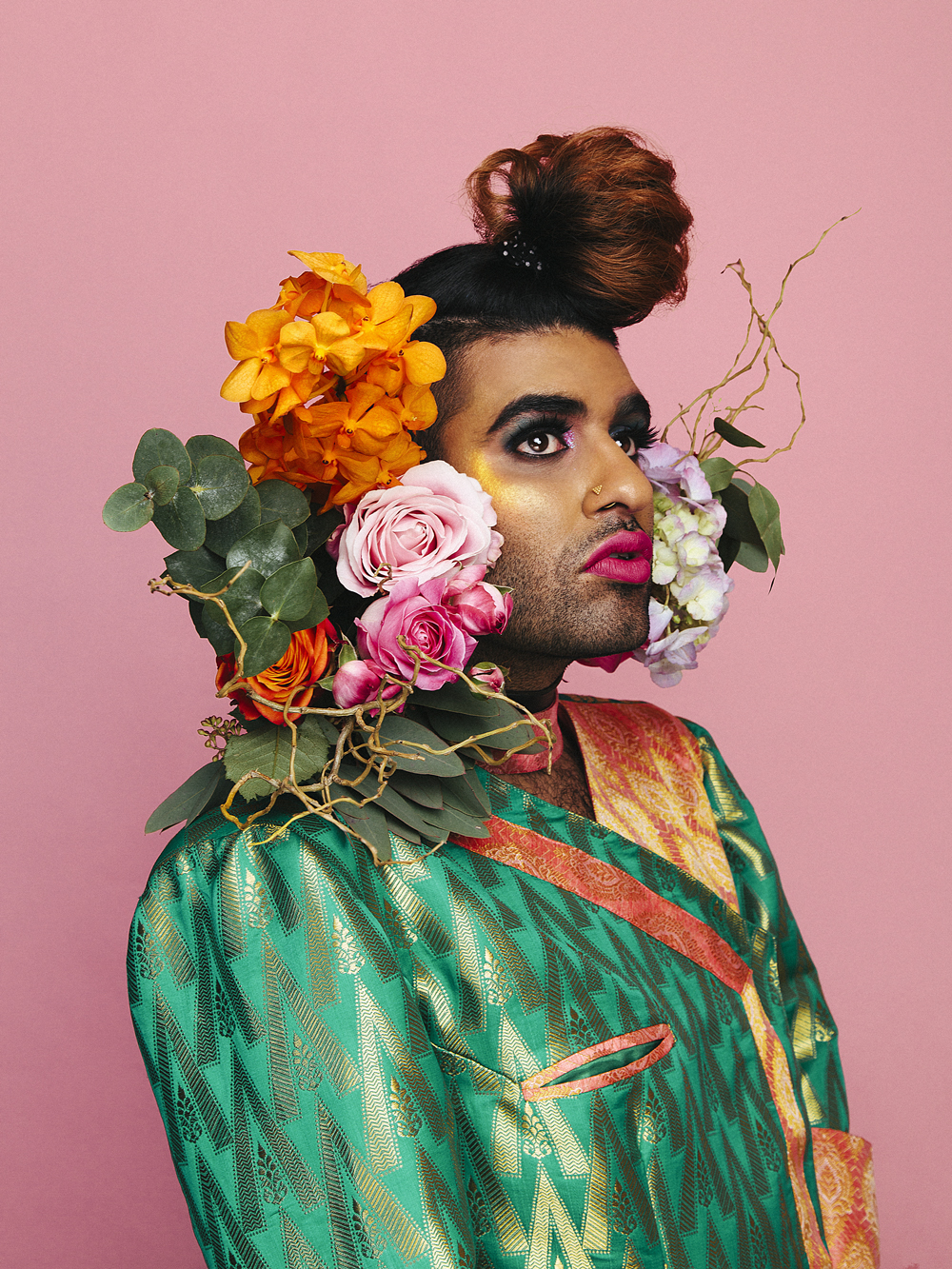
Gender nonconformity or gender variance is gender expression by an individual whose behavior, mannerisms, and/or appearance does not match masculine or feminine gender norms. A person can be gender-nonconforming regardless of their gender identity, for example, transgender, non-binary, or cisgender. Transgender adults who appear gender-nonconforming after transition are more likely to experience discrimination.
Terms to describe gender variance include gender-variant, gender-nonconforming, gender-diverse, and gender-atypical. The terms gender variance and gender-variant are used by scholars of psychology, psychiatry, anthropology, and gender studies, as well as advocacy groups of gender-variant people themselves. The term gender-variant is deliberately broad, encompassing such specific terms as transsexual, butch and femme, queen, sissy, tomboy, femboy, travesti, or hijra.
The word transgender usually has a narrower meaning and different connotations, including an identification that differs from the gender assigned at birth. GLAAD (formerly the Gay and Lesbian Alliance Against Defamation)'s Media Reference Guide defines transgender as an "umbrella term for people whose gender identity or gender expression differs from the sex they were assigned at birth." Not all gender-variant people identify as transgender, and not all transgender people identify as gender-variant—many identify simply as men or women. Gender identity is one's internal sense of their own gender; while some people have a gender identity of a boy or a man, or a girl or a woman, gender identity for other people is a more complex experience.
Furthermore, gender expression is the external manifestation of one's gender identity, usually through "masculine", "feminine", or gender-variant presentation or behavior.
In Australia, the term gender-diverse or, historically, sex and/or gender-diverse, may be used in place of, or as well as, transgender. Culturally-specific gender diverse terms include sistergirls and brotherboys, for Aboriginal and Torres Strait Islander people. Ambiguities about the inclusion or exclusion of intersex people in terminology, such as sex and/or gender-diverse, led to a decline in use of the terms sex and/or gender-diverse and diverse sexes and genders (DSG). Current regulations providing for the recognition of trans and other gender identities use terms such as gender diverse and transgender. In July 2013, the Australian National LGBTI Health Alliance produced a guide entitled "Inclusive Language Guide: Respecting people of intersex, trans and gender diverse experience" which clearly distinguishes between different bodily and identity groups.
Multiple studies have suggested a correlation between children who express gender nonconformity and their eventual coming out as gay, bisexual, or transgender. In multiple studies, a majority of those who identify as gay or lesbian self-report gender nonconformity as children. However, the accuracy of some of these studies have been questioned.
One study suggested that childhood gender nonconformity is heritable. Studies have also been conducted about adults' attitudes towards nonconforming children. There are reportedly no significant generalized effects (except for a few outliers) on attitudes towards children who vary in gender traits, interests, and behavior.
Children who are gender-variant may struggle to conform later in life. As children get older and are not treated for the mismatch between their minds and bodily appearance, this leads to discomfort, and negative self-image and eventually may lead to depression, suicide, or self-doubt. If a child is nonconforming at a very young age, it is important to provide family support for positive impact to family and the child. Children who do not conform prior to age 11 tend to have an increased risk for depression, anxiety, and suicidal ideation as a young adult. A 2012 study found that both children who will be heterosexual and children who will have a minority sexual orientation who expressed gender nonconformity before the age of 11 were more likely to experience abuse physically, sexually, and psychologically.
Hub AI
Gender nonconformity AI simulator
(@Gender nonconformity_simulator)
Gender nonconformity
Gender nonconformity or gender variance is gender expression by an individual whose behavior, mannerisms, and/or appearance does not match masculine or feminine gender norms. A person can be gender-nonconforming regardless of their gender identity, for example, transgender, non-binary, or cisgender. Transgender adults who appear gender-nonconforming after transition are more likely to experience discrimination.
Terms to describe gender variance include gender-variant, gender-nonconforming, gender-diverse, and gender-atypical. The terms gender variance and gender-variant are used by scholars of psychology, psychiatry, anthropology, and gender studies, as well as advocacy groups of gender-variant people themselves. The term gender-variant is deliberately broad, encompassing such specific terms as transsexual, butch and femme, queen, sissy, tomboy, femboy, travesti, or hijra.
The word transgender usually has a narrower meaning and different connotations, including an identification that differs from the gender assigned at birth. GLAAD (formerly the Gay and Lesbian Alliance Against Defamation)'s Media Reference Guide defines transgender as an "umbrella term for people whose gender identity or gender expression differs from the sex they were assigned at birth." Not all gender-variant people identify as transgender, and not all transgender people identify as gender-variant—many identify simply as men or women. Gender identity is one's internal sense of their own gender; while some people have a gender identity of a boy or a man, or a girl or a woman, gender identity for other people is a more complex experience.
Furthermore, gender expression is the external manifestation of one's gender identity, usually through "masculine", "feminine", or gender-variant presentation or behavior.
In Australia, the term gender-diverse or, historically, sex and/or gender-diverse, may be used in place of, or as well as, transgender. Culturally-specific gender diverse terms include sistergirls and brotherboys, for Aboriginal and Torres Strait Islander people. Ambiguities about the inclusion or exclusion of intersex people in terminology, such as sex and/or gender-diverse, led to a decline in use of the terms sex and/or gender-diverse and diverse sexes and genders (DSG). Current regulations providing for the recognition of trans and other gender identities use terms such as gender diverse and transgender. In July 2013, the Australian National LGBTI Health Alliance produced a guide entitled "Inclusive Language Guide: Respecting people of intersex, trans and gender diverse experience" which clearly distinguishes between different bodily and identity groups.
Multiple studies have suggested a correlation between children who express gender nonconformity and their eventual coming out as gay, bisexual, or transgender. In multiple studies, a majority of those who identify as gay or lesbian self-report gender nonconformity as children. However, the accuracy of some of these studies have been questioned.
One study suggested that childhood gender nonconformity is heritable. Studies have also been conducted about adults' attitudes towards nonconforming children. There are reportedly no significant generalized effects (except for a few outliers) on attitudes towards children who vary in gender traits, interests, and behavior.
Children who are gender-variant may struggle to conform later in life. As children get older and are not treated for the mismatch between their minds and bodily appearance, this leads to discomfort, and negative self-image and eventually may lead to depression, suicide, or self-doubt. If a child is nonconforming at a very young age, it is important to provide family support for positive impact to family and the child. Children who do not conform prior to age 11 tend to have an increased risk for depression, anxiety, and suicidal ideation as a young adult. A 2012 study found that both children who will be heterosexual and children who will have a minority sexual orientation who expressed gender nonconformity before the age of 11 were more likely to experience abuse physically, sexually, and psychologically.
Recent media