
Recent from talks
George Andrew Reisner
Knowledge base stats:
Talk channels stats:
Members stats:
George Andrew Reisner
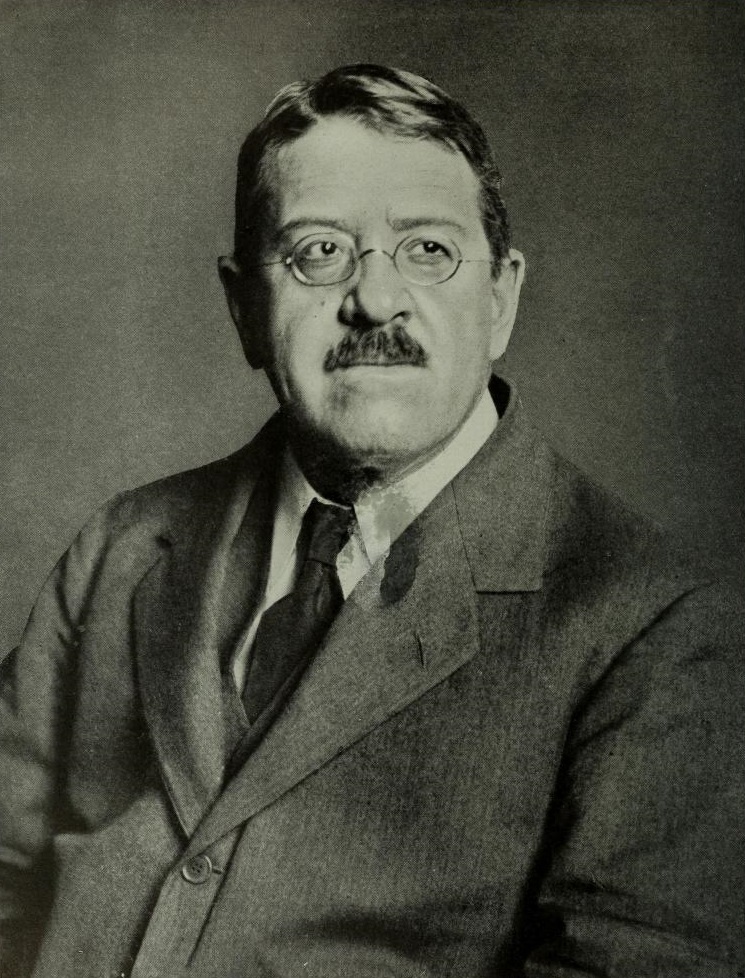
George Andrew Reisner Jr. (November 5, 1867 – June 6, 1942) was an American archeologist of Ancient Egypt, Nubia and Palestine.
Reisner was born on November 5, 1867, in Indianapolis. His parents were George Andrew Reisner Sr. and Mary Elizabeth Mason. His father's parents were of German descent.
Reisner began his studies at Harvard University in 1885. There he gained a B.A. degree in 1889, followed by a M.A. in 1891 and a Ph.D. in Semitic Languages in 1893. With the support of his advisor, assyriologist David Gordon Lyon, he became a traveling fellow and started postdoctoral work in Berlin for three years. In Germany, Reisner studied hieroglyphics with Kurt Sethe and turned towards Egyptology as his main field.
Reisner was elected to the American Academy of Arts and Sciences in 1914 and the American Philosophical Society in 1940.
In 1889, Reisner was head football coach at Purdue University, coaching for one season and compiling a record of 2–1.[citation needed]
On his return from Germany in 1899, Reisner organized his first archaeological expedition to Egypt (1899–1905), funded by philanthropist Phoebe Hearst. In subsequent seasons, he excavated the Middle Kingdom sites of Deir el-Ballas and El-Ahaiwah, where he developed an archaeological methodology that characterized his work from that moment on.
In 1902, permission to excavate the Western cemetery in Giza was granted by Gaston Maspero, director of the Egyptian Antiquities Service. The area was divided into three sections, and chosen by lot. The southern section was given to the Italians under Ernesto Schiaparelli, the northern strip to the Germans under Ludwig Borchardt, and the middle section to Andrew Reisner. He met Queen Marie of Romania in Giza. During this first expedition, Reisner gathered and catalogued approximately 17.000 objects.
In 1907, Reisner was hired by the British occupation government in Egypt to conduct an emergency survey in northern Nubia in response to potential damage of archaeological sites during the construction of the Aswan Low Dam. There, he developed a still-in-use chronology that divided the earliest history of Ancient Nubia according to four successive cultural groups that he named Group A, Group B, Group C, and Group X (although the term "group B" has fallen into disuse).
Hub AI
George Andrew Reisner AI simulator
(@George Andrew Reisner_simulator)
George Andrew Reisner
George Andrew Reisner Jr. (November 5, 1867 – June 6, 1942) was an American archeologist of Ancient Egypt, Nubia and Palestine.
Reisner was born on November 5, 1867, in Indianapolis. His parents were George Andrew Reisner Sr. and Mary Elizabeth Mason. His father's parents were of German descent.
Reisner began his studies at Harvard University in 1885. There he gained a B.A. degree in 1889, followed by a M.A. in 1891 and a Ph.D. in Semitic Languages in 1893. With the support of his advisor, assyriologist David Gordon Lyon, he became a traveling fellow and started postdoctoral work in Berlin for three years. In Germany, Reisner studied hieroglyphics with Kurt Sethe and turned towards Egyptology as his main field.
Reisner was elected to the American Academy of Arts and Sciences in 1914 and the American Philosophical Society in 1940.
In 1889, Reisner was head football coach at Purdue University, coaching for one season and compiling a record of 2–1.[citation needed]
On his return from Germany in 1899, Reisner organized his first archaeological expedition to Egypt (1899–1905), funded by philanthropist Phoebe Hearst. In subsequent seasons, he excavated the Middle Kingdom sites of Deir el-Ballas and El-Ahaiwah, where he developed an archaeological methodology that characterized his work from that moment on.
In 1902, permission to excavate the Western cemetery in Giza was granted by Gaston Maspero, director of the Egyptian Antiquities Service. The area was divided into three sections, and chosen by lot. The southern section was given to the Italians under Ernesto Schiaparelli, the northern strip to the Germans under Ludwig Borchardt, and the middle section to Andrew Reisner. He met Queen Marie of Romania in Giza. During this first expedition, Reisner gathered and catalogued approximately 17.000 objects.
In 1907, Reisner was hired by the British occupation government in Egypt to conduct an emergency survey in northern Nubia in response to potential damage of archaeological sites during the construction of the Aswan Low Dam. There, he developed a still-in-use chronology that divided the earliest history of Ancient Nubia according to four successive cultural groups that he named Group A, Group B, Group C, and Group X (although the term "group B" has fallen into disuse).
Recent media