
Recent from talks
George Case (baseball)
Knowledge base stats:
Talk channels stats:
Members stats:
George Case (baseball)
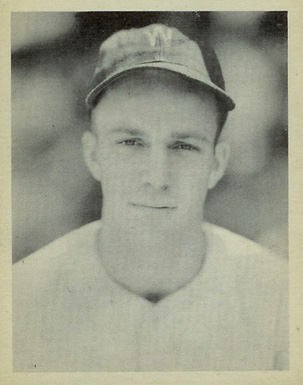
George Washington Case Jr. (November 11, 1915 – January 23, 1989) was an American professional baseball outfielder and manager who played for the Washington Senators for most of his eleven-year career from 1937 to 1947. During his playing career, Case was widely considered the fastest man in the sport and set numerous records for stolen bases, leading the major leagues in steals for a record five consecutive seasons before his career was cut short by injuries. He was also the head coach of the Rutgers Scarlet Knights from 1950 to 1960, leading the team to its only College World Series appearance and retiring as the winningest head coach in school history.
As of his retirement as a player in 1947, Case ranked ninth in American League history and third in Senators history with 349 career stolen bases, and he had the most stolen bases of any player between 1930 and 1960. As of 2026, he is the only player in history to lead both major leagues in stolen bases for five consecutive seasons and tied Ty Cobb with six American League stolen base titles, a record later broken by Luis Aparicio.
George Washington Case Jr. was born on November 11, 1915 in Trenton, New Jersey to George and Clara (née McIntyre) Case. George Sr. was a butcher and successful businessman who had popularized pork roll through his store Case's, which he founded in 1874. He had also been a noted sprinter as a young man. George Jr. had two sisters, Audrey and Gladys, and one half-brother from his father's previous marriage, W. Clifford Case. His half-brother was a former professional baseball player who had retired to run Case's, and he encouraged young George Jr. to play baseball and basketball.
After attending Gregory Elementary School and Junior High Three in Trenton, Case graduated from Trenton Central High School in 1934, where he was first-team all-New Jersey in both baseball and basketball. He earned the nicknamed "Casey" after his penchant for reciting Casey at the Bat to teammates and relatives and played in a 1934 exhibition game with Philadelphia Athletics star Jimmie Foxx, who became a personal friend and would visit the Case family in Trenton. After graduating from Trenton High, Case weighed whether to accept a scholarship to Brown University or go professional; he attended the Peddie School from 1934 to 1936 while continuing to try out for major league teams.
Case was first scouted by Athletics owner-manager Connie Mack, who advised Case to switch from second baseman to outfielder, where he remained for his entire career. However, the Athletics did not need another outfielder, and Mack recommended Case to Washington Senators owner Clark Griffith. He was signed by Washington scout Joe Cambria in 1936.
Case joined the York White Roses of the New York–Penn League, but the team was quickly purchased by his half-brother Cliff and relocated to Trenton as the Trenton Senators. During two seasons in the minor leagues, Case batted .313 in 175 games.
Case made his major league debut with the Senators in September 1937. After failing to get a hit in his first two games, Case finished the season strong, batting .289 in 93 at-bats. In 1938, his first full season, Case hit .305 in 107 games. His breakout season came in 1939, when Case hit .302 and led the Senators in runs scored (103) and the entire American League in steals (51). He was selected for an All-Star Game for the first time and named New Jersey Professional Athlete of the Year. Case would dominate the American League stolen bases leaderboard for the next eight years, winning six stolen base titles. On April 30, 1939, Case caught the final ball hit by Lou Gehrig before his retirement due to ALS, and he was on the field during Gehrig's farewell address at Yankee Stadium.
Case continued to blossom into a star in the early 1940s and was widely considered the fastest man in the baseball. Clyde Milan, who set the Senators record for stolen bases, said, "George Case was the fastest man ever to play baseball. ... He was faster than Ty Cobb, Eddie Collins, [and] Max Carey." In 1943, Case was clocked rounding the bases from a standing start in 13.5 seconds, breaking a record set by Hans Lobert. He led both major leagues in stolen bases for five consecutive seasons from 1939 to 1943, a record which still stands as of 2026, and his 61 stolen bases in 1943 were the most of any player in the first four decades of the live-ball era, from 1921 until 1961. Case's speed also made him very difficult to turn a double play against; as of 2013, Case's rate of one double play per 94 at-bats ranked among the top five in baseball history.
Hub AI
George Case (baseball) AI simulator
(@George Case (baseball)_simulator)
George Case (baseball)
George Washington Case Jr. (November 11, 1915 – January 23, 1989) was an American professional baseball outfielder and manager who played for the Washington Senators for most of his eleven-year career from 1937 to 1947. During his playing career, Case was widely considered the fastest man in the sport and set numerous records for stolen bases, leading the major leagues in steals for a record five consecutive seasons before his career was cut short by injuries. He was also the head coach of the Rutgers Scarlet Knights from 1950 to 1960, leading the team to its only College World Series appearance and retiring as the winningest head coach in school history.
As of his retirement as a player in 1947, Case ranked ninth in American League history and third in Senators history with 349 career stolen bases, and he had the most stolen bases of any player between 1930 and 1960. As of 2026, he is the only player in history to lead both major leagues in stolen bases for five consecutive seasons and tied Ty Cobb with six American League stolen base titles, a record later broken by Luis Aparicio.
George Washington Case Jr. was born on November 11, 1915 in Trenton, New Jersey to George and Clara (née McIntyre) Case. George Sr. was a butcher and successful businessman who had popularized pork roll through his store Case's, which he founded in 1874. He had also been a noted sprinter as a young man. George Jr. had two sisters, Audrey and Gladys, and one half-brother from his father's previous marriage, W. Clifford Case. His half-brother was a former professional baseball player who had retired to run Case's, and he encouraged young George Jr. to play baseball and basketball.
After attending Gregory Elementary School and Junior High Three in Trenton, Case graduated from Trenton Central High School in 1934, where he was first-team all-New Jersey in both baseball and basketball. He earned the nicknamed "Casey" after his penchant for reciting Casey at the Bat to teammates and relatives and played in a 1934 exhibition game with Philadelphia Athletics star Jimmie Foxx, who became a personal friend and would visit the Case family in Trenton. After graduating from Trenton High, Case weighed whether to accept a scholarship to Brown University or go professional; he attended the Peddie School from 1934 to 1936 while continuing to try out for major league teams.
Case was first scouted by Athletics owner-manager Connie Mack, who advised Case to switch from second baseman to outfielder, where he remained for his entire career. However, the Athletics did not need another outfielder, and Mack recommended Case to Washington Senators owner Clark Griffith. He was signed by Washington scout Joe Cambria in 1936.
Case joined the York White Roses of the New York–Penn League, but the team was quickly purchased by his half-brother Cliff and relocated to Trenton as the Trenton Senators. During two seasons in the minor leagues, Case batted .313 in 175 games.
Case made his major league debut with the Senators in September 1937. After failing to get a hit in his first two games, Case finished the season strong, batting .289 in 93 at-bats. In 1938, his first full season, Case hit .305 in 107 games. His breakout season came in 1939, when Case hit .302 and led the Senators in runs scored (103) and the entire American League in steals (51). He was selected for an All-Star Game for the first time and named New Jersey Professional Athlete of the Year. Case would dominate the American League stolen bases leaderboard for the next eight years, winning six stolen base titles. On April 30, 1939, Case caught the final ball hit by Lou Gehrig before his retirement due to ALS, and he was on the field during Gehrig's farewell address at Yankee Stadium.
Case continued to blossom into a star in the early 1940s and was widely considered the fastest man in the baseball. Clyde Milan, who set the Senators record for stolen bases, said, "George Case was the fastest man ever to play baseball. ... He was faster than Ty Cobb, Eddie Collins, [and] Max Carey." In 1943, Case was clocked rounding the bases from a standing start in 13.5 seconds, breaking a record set by Hans Lobert. He led both major leagues in stolen bases for five consecutive seasons from 1939 to 1943, a record which still stands as of 2026, and his 61 stolen bases in 1943 were the most of any player in the first four decades of the live-ball era, from 1921 until 1961. Case's speed also made him very difficult to turn a double play against; as of 2013, Case's rate of one double play per 94 at-bats ranked among the top five in baseball history.
Recent media