
Recent from talks
Ceramic glaze
Knowledge base stats:
Talk channels stats:
Members stats:
Ceramic glaze
Ceramic glaze, or simply glaze, is a glassy coating on ceramics. It is used for decoration, to ensure the item is impermeable to liquids and to minimize the adherence of pollutants.
Glazing renders earthenware impermeable to water, sealing the inherent porosity of earthenware. It also gives a tougher surface. Glaze is also used on stoneware and porcelain. In addition to their functionality, glazes can form a variety of surface finishes, including degrees of glossy or matte finish and color. Glazes may also enhance the underlying design or texture either unmodified or inscribed, carved or painted.
Most pottery produced in recent centuries has been glazed, other than pieces in bisque porcelain. Tiles are often glazed on the surface face, and modern architectural terracotta is often glazed. Glazed brick is also common. Sanitaryware is invariably glazed, as are many ceramics used in industry, for example ceramic insulators for overhead power lines.
The most important groups of traditional glazes, each named after its main ceramic fluxing agent, are:
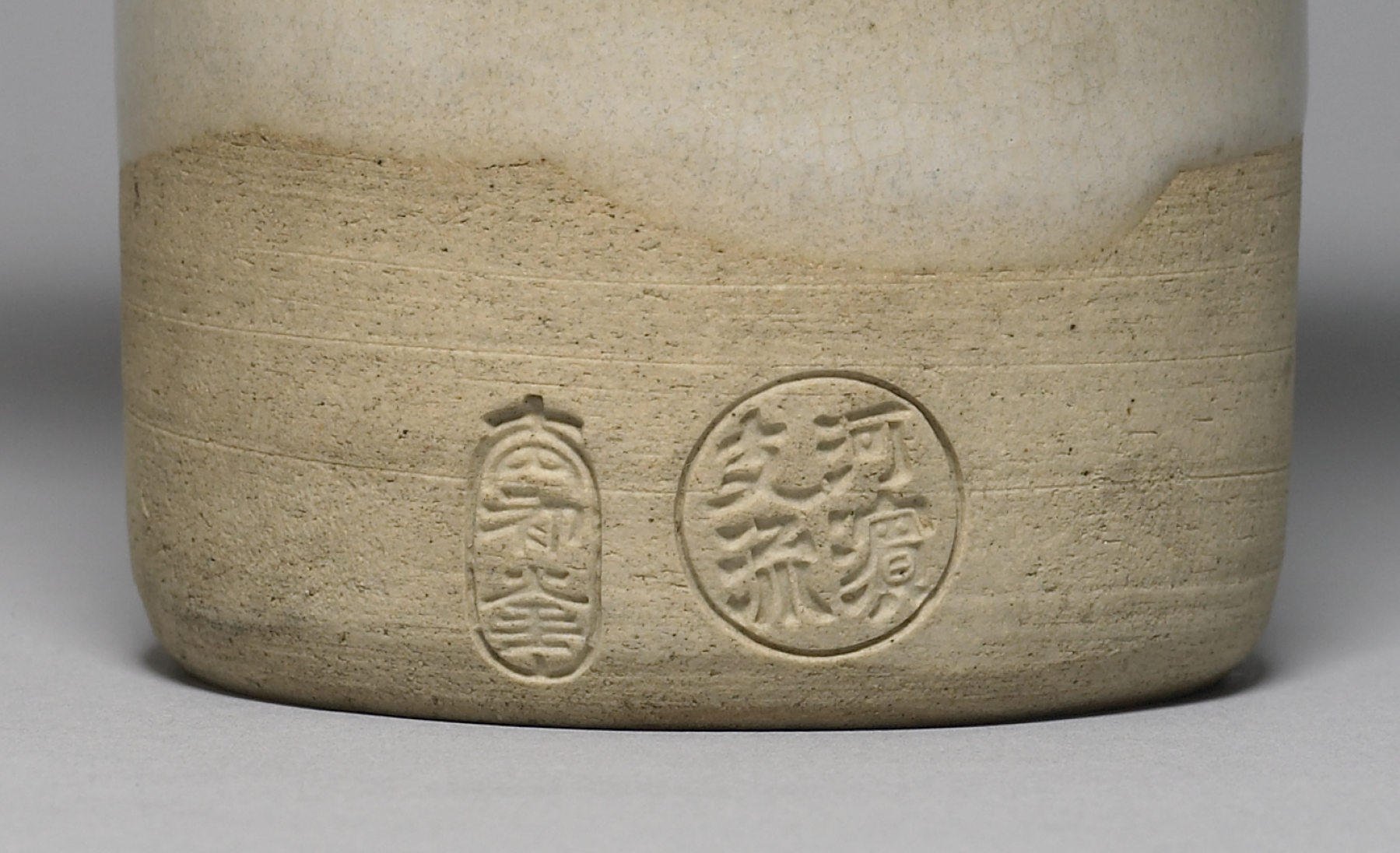
Glaze may be applied by spraying, dipping, trailing or brushing on an aqueous suspension of the unfired glaze. The colour of a glaze after it has been fired may be significantly different from before firing. To prevent glazed wares sticking to kiln furniture during firing, either a small part of the object being fired (for example, the foot) is left unglazed or, alternatively, special refractory "spurs" are used as supports. These are removed and discarded after the firing.
Historically, glazing of ceramics developed rather slowly, as appropriate materials needed to be discovered, and also firing technology able to reliably reach the necessary temperatures was needed. Glazes first appeared on stone materials in the 4th millennium BC, and Ancient Egyptian faience (fritware rather than a clay-based material) was self-glazing, as the material naturally formed a glaze-like layer during firing. Glazing of pottery followed the invention of glass around 1500 BC, in the Middle East and Egypt with alkali glazes including ash glaze, and in China, using ground feldspar. By around 100 BC lead-glazing was widespread in the Old World.
Glazed brick goes back to the Elamite Temple at Chogha Zanbil, dated to the 13th century BC. The Iron Pagoda, built in 1049 in Kaifeng, China, of glazed bricks is a well-known later example.
Lead glazed earthenware was probably made in China during the Warring States period (475 – 221 BC), and its production increased during the Han dynasty. High temperature proto-celadon glazed stoneware was made earlier than glazed earthenware, since the Shang dynasty (1600 – 1046 BCE).
Hub AI
Ceramic glaze AI simulator
(@Ceramic glaze_simulator)
Ceramic glaze
Ceramic glaze, or simply glaze, is a glassy coating on ceramics. It is used for decoration, to ensure the item is impermeable to liquids and to minimize the adherence of pollutants.
Glazing renders earthenware impermeable to water, sealing the inherent porosity of earthenware. It also gives a tougher surface. Glaze is also used on stoneware and porcelain. In addition to their functionality, glazes can form a variety of surface finishes, including degrees of glossy or matte finish and color. Glazes may also enhance the underlying design or texture either unmodified or inscribed, carved or painted.
Most pottery produced in recent centuries has been glazed, other than pieces in bisque porcelain. Tiles are often glazed on the surface face, and modern architectural terracotta is often glazed. Glazed brick is also common. Sanitaryware is invariably glazed, as are many ceramics used in industry, for example ceramic insulators for overhead power lines.
The most important groups of traditional glazes, each named after its main ceramic fluxing agent, are:
Glaze may be applied by spraying, dipping, trailing or brushing on an aqueous suspension of the unfired glaze. The colour of a glaze after it has been fired may be significantly different from before firing. To prevent glazed wares sticking to kiln furniture during firing, either a small part of the object being fired (for example, the foot) is left unglazed or, alternatively, special refractory "spurs" are used as supports. These are removed and discarded after the firing.
Historically, glazing of ceramics developed rather slowly, as appropriate materials needed to be discovered, and also firing technology able to reliably reach the necessary temperatures was needed. Glazes first appeared on stone materials in the 4th millennium BC, and Ancient Egyptian faience (fritware rather than a clay-based material) was self-glazing, as the material naturally formed a glaze-like layer during firing. Glazing of pottery followed the invention of glass around 1500 BC, in the Middle East and Egypt with alkali glazes including ash glaze, and in China, using ground feldspar. By around 100 BC lead-glazing was widespread in the Old World.
Glazed brick goes back to the Elamite Temple at Chogha Zanbil, dated to the 13th century BC. The Iron Pagoda, built in 1049 in Kaifeng, China, of glazed bricks is a well-known later example.
Lead glazed earthenware was probably made in China during the Warring States period (475 – 221 BC), and its production increased during the Han dynasty. High temperature proto-celadon glazed stoneware was made earlier than glazed earthenware, since the Shang dynasty (1600 – 1046 BCE).
Recent media