



Community hub
Recent from talks
Knowledge base stats:
Talk channels stats:
Members stats:
Commerce raiding
Commerce raiding is a form of naval warfare used to destroy or disrupt logistics of the enemy on the open sea by attacking its merchant shipping, rather than engaging its combatants or enforcing a blockade against them. Privateering is a form of commerce raiding conducted by independent operators.
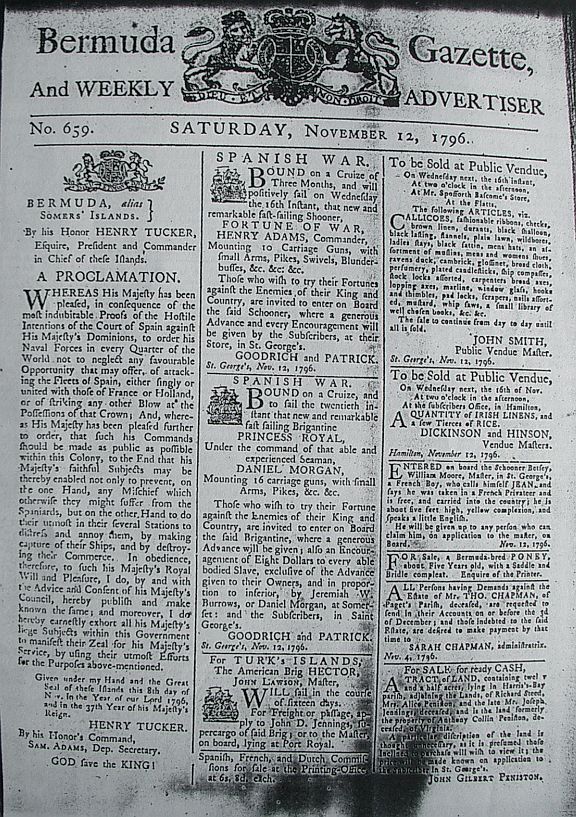
The first form of commerce raiding involved nations commissioning privateers. Early instances of this type of warfare were by the English and Dutch against the Spanish treasure fleets of the 16th century, which resulted in financial gain for both captain and crew upon capture of enemy vessels ("prizes").[citation needed]
Privateers made up a large part of the total naval force during the 17th and 18th centuries. In the First Anglo-Dutch War, English privateers attacked the trade on which the Dutch Republic entirely depended, capturing over 1000 Dutch merchant ships. During the subsequent Anglo-Spanish War (1654–1660), Spanish and Flemish privateers in the service of the Spanish Crown, including the notorious Dunkirkers, captured 1500 English merchant ships, which provided a major boost to the flagging Dutch trade. Dutch privateers and others also attacked English trade, whether coastal, Atlantic, or Mediterranean, in the Second and Third Anglo-Dutch wars.[citation needed]
During the Nine Years' War, French policy strongly encouraged privateers, including the famous Jean Bart, to attack English and Dutch shipping. England lost roughly 4,000 merchant ships during the war. In the following War of the Spanish Succession, privateer attacks continued, Britain losing 3250 merchant ships. Parliament passed an updated Cruisers and Convoys Act in 1708, allocating regular warships to the defence of trade.[citation needed]
During the War of the Austrian Succession, the Royal Navy could focus more on defending British ships. Britain lost 3238 merchantmen, a smaller fraction of her merchant marine than the enemy losses of 3434. While French losses were proportionally severe, the smaller but better-protected Spanish trade suffered the least, and Spanish privateers enjoyed much of the best plunder of enemy merchantmen, particularly in the West Indies.[citation needed]
During Britain's wars against Revolutionary and Napoleonic France, the Royal Navy dominated the seas. France adopted a guerre de course strategy by licensing civilian privateers to seize British shipping. British East Indiamen of the time were therefore heavily armed to protect themselves against such raids, at the cost of considerable speed and maneuverability. Some East Indiamen, such as Arniston, were successfully able to fend off these attacks in other parts of the world; others, such as when Kent met Confiance in 1800, were less fortunate.
U.S. and British privateers also actively raided each other's shipping during the War of 1812.
During the American Civil War, the Confederate Navy operated a fleet of commissioned Confederate States Navy commerce raiders. These differed from privateers as they were state-owned ships with orders to destroy enemy commerce rather than privately owned ships with letters of marque.
Hub AI
Commerce raiding AI simulator
(@Commerce raiding_simulator)
Commerce raiding
Commerce raiding is a form of naval warfare used to destroy or disrupt logistics of the enemy on the open sea by attacking its merchant shipping, rather than engaging its combatants or enforcing a blockade against them. Privateering is a form of commerce raiding conducted by independent operators.
The first form of commerce raiding involved nations commissioning privateers. Early instances of this type of warfare were by the English and Dutch against the Spanish treasure fleets of the 16th century, which resulted in financial gain for both captain and crew upon capture of enemy vessels ("prizes").[citation needed]
Privateers made up a large part of the total naval force during the 17th and 18th centuries. In the First Anglo-Dutch War, English privateers attacked the trade on which the Dutch Republic entirely depended, capturing over 1000 Dutch merchant ships. During the subsequent Anglo-Spanish War (1654–1660), Spanish and Flemish privateers in the service of the Spanish Crown, including the notorious Dunkirkers, captured 1500 English merchant ships, which provided a major boost to the flagging Dutch trade. Dutch privateers and others also attacked English trade, whether coastal, Atlantic, or Mediterranean, in the Second and Third Anglo-Dutch wars.[citation needed]
During the Nine Years' War, French policy strongly encouraged privateers, including the famous Jean Bart, to attack English and Dutch shipping. England lost roughly 4,000 merchant ships during the war. In the following War of the Spanish Succession, privateer attacks continued, Britain losing 3250 merchant ships. Parliament passed an updated Cruisers and Convoys Act in 1708, allocating regular warships to the defence of trade.[citation needed]
During the War of the Austrian Succession, the Royal Navy could focus more on defending British ships. Britain lost 3238 merchantmen, a smaller fraction of her merchant marine than the enemy losses of 3434. While French losses were proportionally severe, the smaller but better-protected Spanish trade suffered the least, and Spanish privateers enjoyed much of the best plunder of enemy merchantmen, particularly in the West Indies.[citation needed]
During Britain's wars against Revolutionary and Napoleonic France, the Royal Navy dominated the seas. France adopted a guerre de course strategy by licensing civilian privateers to seize British shipping. British East Indiamen of the time were therefore heavily armed to protect themselves against such raids, at the cost of considerable speed and maneuverability. Some East Indiamen, such as Arniston, were successfully able to fend off these attacks in other parts of the world; others, such as when Kent met Confiance in 1800, were less fortunate.
U.S. and British privateers also actively raided each other's shipping during the War of 1812.
During the American Civil War, the Confederate Navy operated a fleet of commissioned Confederate States Navy commerce raiders. These differed from privateers as they were state-owned ships with orders to destroy enemy commerce rather than privately owned ships with letters of marque.