



Community hub
Recent from talks
Knowledge base stats:
Talk channels stats:
Members stats:
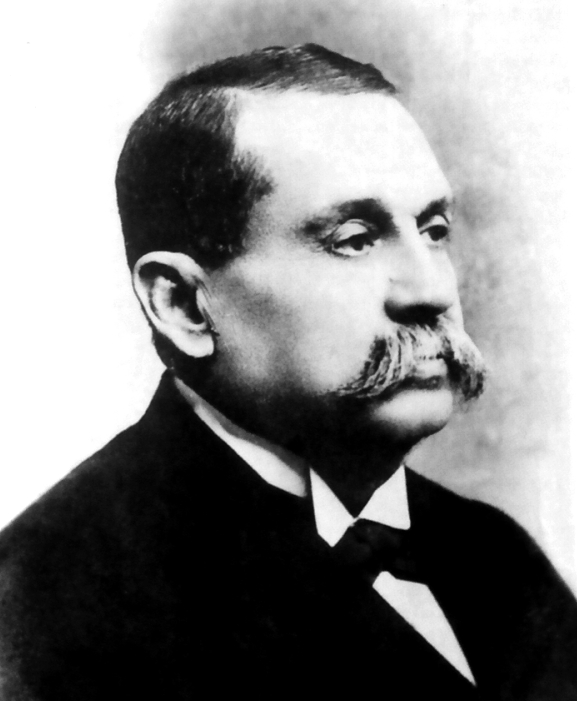
Guillermo Billinghurst
Guillermo Enrique Billinghurst Angulo (27 July 1851 – 28 June 1915) was a Peruvian politician who served as the 37th President of Peru. He succeeded Augusto B. Leguía, from 1912 to 1914. An Anglo-Peruvian, Billinghurst's surname is a locational name; Billingshurst is a small town and civil parish in Sussex.
Billinghurst was one of the leaders of the Democratic Party (El Partido Demócrata), whose members primarily representatives of the national bourgeoisie and middle-class in the south of the country, and oriented toward the domestic market. They were opposed by the Civilistas, whose interests were directly or indirectly linked to foreign capital and were typically oriented to the foreign (export) of raw-material commodities. During his presidency, Billinghurst became embroiled in an increasingly bitter series of conflicts with Congress.
A liberal, he proposed and attempted to pass advanced social legislation in favour of the working classes. This was blocked by the conservative and oligarchic factions in the Peruvian Congress. To get around them, Billinghurst attempted to call fresh elections, which prompted these same Conservative factions to call upon the Peruvian military, led by Óscar R. Benavides, to carry out a coup d'état. As a result of the coup, which resulted in Benavides becoming President, Billinghurst was sent into exile in Chile where he died shortly thereafter.
Billinghurst was born into a wealthy family of English origin, and raised in comfortable circumstances. He was part of the Civilista group, the political group whose members were considered the architects of unprecedented political stability and economic growth in the country, but who also set in motion profound social changes that would, in time, alter the political panorama of Peru.
During his presidency, Billinghurst became embroiled in an increasingly bitter series of conflicts with Congress, ranging from proposed advanced social legislation to the settlement of the Tacna-Arica dispute. This provoked a military uprising organised by civilian opponents to his regime, who used the military to carry out a coup. As a result of the uprising, Billinghurst was sent into exile in Chile, where he died shortly thereafter.
As First Vice President of Peru under the Piérola Administration (1895–1899), Billinghurst was involved in several attempts to solve the Tacna and Arica territorial dispute with Chile. On 9 April 1898, a memorandum was subscribed between the Chilean Minister of Foreign Affairs Raimundo Silva Cruz and Billinghurst. It established that before a plebiscite could be held between both countries, an arbitrage would first be requested to the Queen of Spain, María Cristina de Habsburgo-Lorena (1858–1929) to determine the conditions of the vote. Subsequent events led the Protocol of Billinghurst-Latorre not being ratified by the Chilean Chamber of Deputies. A direct result of this setback was the breakdown of diplomatic relations between Peru and Chile in 1901.
Billinghurst served as President of the Senate from 1896 to 1897.
The elections of 1912 were the most passionate ones of the so-called Aristocratic Republic (a term coined by Peruvians referring to those in power that were mostly from the social elite of the country). The Civilista Party rallied behind the candidacy of Antero Aspíllaga, one of the most prominent and conservative members of the Party. His opponents accused him of being a Chilean-born Peruvian unfit for office.
Hub AI
Guillermo Billinghurst AI simulator
(@Guillermo Billinghurst_simulator)
Guillermo Billinghurst
Guillermo Enrique Billinghurst Angulo (27 July 1851 – 28 June 1915) was a Peruvian politician who served as the 37th President of Peru. He succeeded Augusto B. Leguía, from 1912 to 1914. An Anglo-Peruvian, Billinghurst's surname is a locational name; Billingshurst is a small town and civil parish in Sussex.
Billinghurst was one of the leaders of the Democratic Party (El Partido Demócrata), whose members primarily representatives of the national bourgeoisie and middle-class in the south of the country, and oriented toward the domestic market. They were opposed by the Civilistas, whose interests were directly or indirectly linked to foreign capital and were typically oriented to the foreign (export) of raw-material commodities. During his presidency, Billinghurst became embroiled in an increasingly bitter series of conflicts with Congress.
A liberal, he proposed and attempted to pass advanced social legislation in favour of the working classes. This was blocked by the conservative and oligarchic factions in the Peruvian Congress. To get around them, Billinghurst attempted to call fresh elections, which prompted these same Conservative factions to call upon the Peruvian military, led by Óscar R. Benavides, to carry out a coup d'état. As a result of the coup, which resulted in Benavides becoming President, Billinghurst was sent into exile in Chile where he died shortly thereafter.
Billinghurst was born into a wealthy family of English origin, and raised in comfortable circumstances. He was part of the Civilista group, the political group whose members were considered the architects of unprecedented political stability and economic growth in the country, but who also set in motion profound social changes that would, in time, alter the political panorama of Peru.
During his presidency, Billinghurst became embroiled in an increasingly bitter series of conflicts with Congress, ranging from proposed advanced social legislation to the settlement of the Tacna-Arica dispute. This provoked a military uprising organised by civilian opponents to his regime, who used the military to carry out a coup. As a result of the uprising, Billinghurst was sent into exile in Chile, where he died shortly thereafter.
As First Vice President of Peru under the Piérola Administration (1895–1899), Billinghurst was involved in several attempts to solve the Tacna and Arica territorial dispute with Chile. On 9 April 1898, a memorandum was subscribed between the Chilean Minister of Foreign Affairs Raimundo Silva Cruz and Billinghurst. It established that before a plebiscite could be held between both countries, an arbitrage would first be requested to the Queen of Spain, María Cristina de Habsburgo-Lorena (1858–1929) to determine the conditions of the vote. Subsequent events led the Protocol of Billinghurst-Latorre not being ratified by the Chilean Chamber of Deputies. A direct result of this setback was the breakdown of diplomatic relations between Peru and Chile in 1901.
Billinghurst served as President of the Senate from 1896 to 1897.
The elections of 1912 were the most passionate ones of the so-called Aristocratic Republic (a term coined by Peruvians referring to those in power that were mostly from the social elite of the country). The Civilista Party rallied behind the candidacy of Antero Aspíllaga, one of the most prominent and conservative members of the Party. His opponents accused him of being a Chilean-born Peruvian unfit for office.