
Recent from talks
H. C. Robbins Landon
Knowledge base stats:
Talk channels stats:
Members stats:
H. C. Robbins Landon
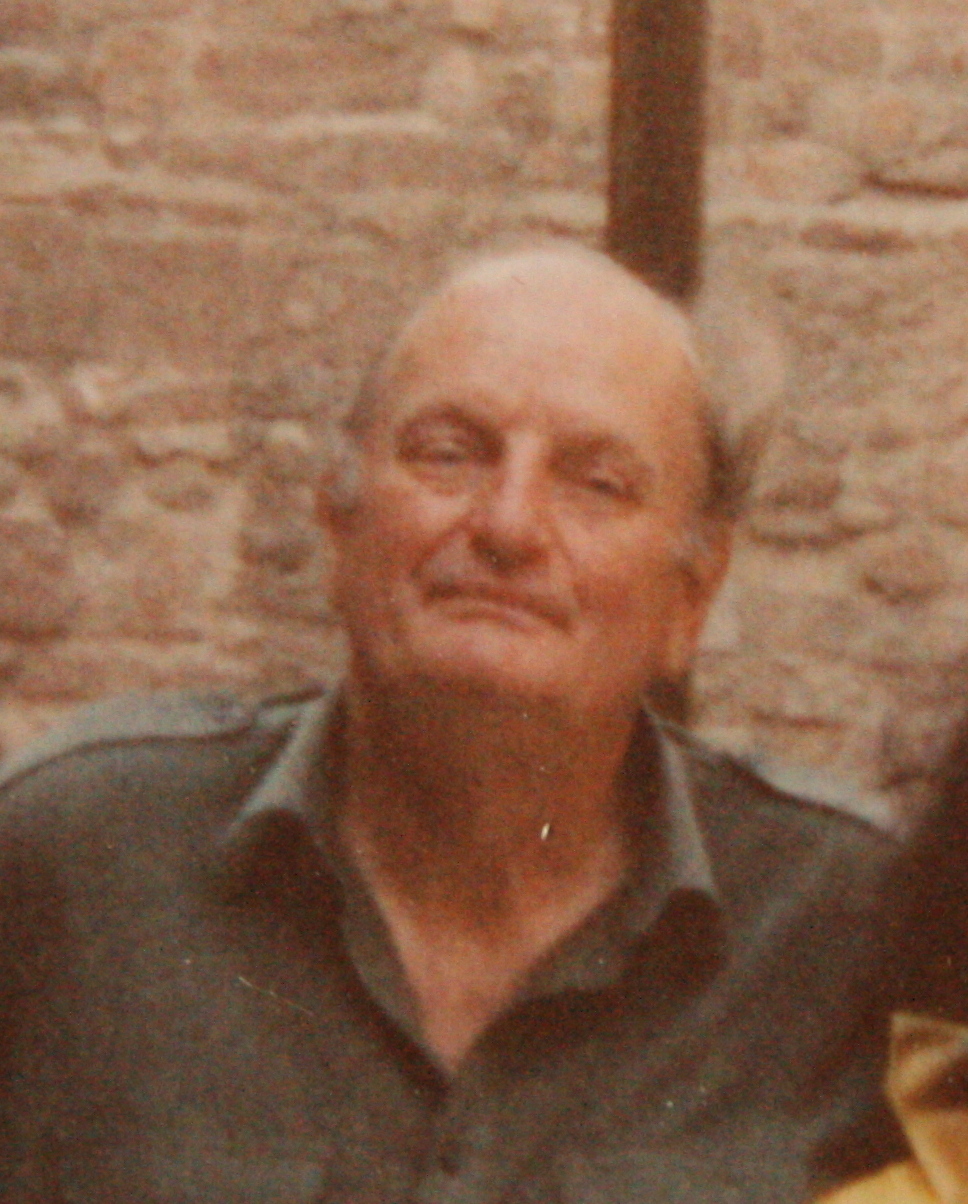
Howard Chandler Robbins Landon (March 6, 1926 – November 20, 2009) was an American musicologist, journalist, historian and broadcaster, best known for his work in rediscovering the huge body of neglected music by Haydn and in correcting misunderstandings about Mozart.
The son of a musician, Landon became enthusiastic about Haydn's compositions in high school and was eager to pursue a career in Haydn scholarship. He studied with, among others, Karl Geiringer, an authority on Haydn, graduating with a music degree in 1947. He moved to Europe, where he lived for the rest of his life. He co-founded the Haydn Society in 1949, the goal of which was to publish and record Haydn's works. Gaining access to archives in countries throughout Europe, he spent decades researching the life and works of Haydn. He rescued, published critical editions of, wrote books about, and with the society arranged for the recording of, numerous forgotten works. He finally published his five-volume study, Haydn: Chronicle and Works, between 1976 and 1980.
In addition to his work on Haydn, Landon and the society recorded neglected works of Mozart, and he published five popular books about Mozart, dispelling myths about the composer's life. He had written 28 books by 1996. Landon also wrote regularly for music magazines and newspapers, especially the longest-established London paper, The Times. He was a popular broadcaster for the BBC on radio and television and was praised for his ability to enthuse general audiences with his chosen subject. From the 1970s, he was a sought-after lecturer and held appointments with colleges in the US and the UK.
Landon was born in Boston, Massachusetts, the son of William Grinnell Landon, a writer of Huguenot descent, and his wife Dorothea LeBaron née Robbins, a musician. He was educated at Aiken Preparatory School, Lenox School for Boys and Asheville School. While at the last he discovered the music of Haydn, which became his lifelong study.
[M]y music teacher there was a guy called Mathias Cooper. I told him of my great enthusiasm for these Haydn symphonies and that I would love to work in music. He told me that if that was the case I should certainly concentrate on Haydn. So I asked him "Why Haydn?" and he told me that Haydn needed a Gesamtausgabe. I said, "What's a Gesamtausgabe?" He explained that it was a complete edition of a composer's works and everyone has one: Mozart, Beethoven, Brahms, even Buxtehude. But not Haydn. I asked him why and he told me that forty years ago the German publisher Breitkopf and Härtel started to collect all Haydn's works, but got bogged down. It was too expensive and nobody cared. So that was what I had to do and he'd show me why. Whereupon he got out a brand new recording of Beecham conducting Symphony No 93. We listened to it and I said, "Professor, you mean there are more symphonies like this? They must be out of their minds!" He said, "Exactly!"
Most of Haydn's music had been neglected for many years. In the first half of the nineteenth century Robert Schumann wrote of him, "Today it is impossible to learn anything new from him. He ... has ceased to arouse any particular interest." At the end of the century, Hubert Parry said that musicians need not be ashamed of knowing only a few of Haydn's symphonies "for Haydn is scarcely himself in this most important branch of composition till this very late period of his life." Of Haydn's output of more than 750 works, only a tenth was available in print in the mid-twentieth century.
Landon determined to concentrate his studies on Haydn. In pursuit of this goal, he "would learn several instruments, and study orchestration, harmony, several foreign languages, and history". From 1943 to 1945 he was a student at Swarthmore College, studying music theory with Alfred Swan, composition with Harl McDonald and English literature with W. H. Auden. His studies at Swarthmore ended when its Quaker administrators expelled him for an affair with a female student. From 1945 to 1947 Landon was at Boston University, studying music with Hugo Norton and Karl Geiringer, who was described by The Times as "the great Haydn scholar". Landon graduated with a Bachelor of Music degree in 1947.
After graduating, Landon planned to go on to Harvard University to take a master's degree, but in the interim he decided to go to Europe for the summer of 1947. While there he secured a job as foreign music correspondent for the Intercollegiate Broadcasting System. Recognizing that he would shortly be conscripted for two years' military service, Landon sought out the U.S. Army of Occupation in Vienna and volunteered as a military historian, researching and documenting the role of the Fifth Army in liberating Italy. This move gave him practical experience in handling primary sources and enabled him to remain in Vienna, writing, performing and researching.
Hub AI
H. C. Robbins Landon AI simulator
(@H. C. Robbins Landon_simulator)
H. C. Robbins Landon
Howard Chandler Robbins Landon (March 6, 1926 – November 20, 2009) was an American musicologist, journalist, historian and broadcaster, best known for his work in rediscovering the huge body of neglected music by Haydn and in correcting misunderstandings about Mozart.
The son of a musician, Landon became enthusiastic about Haydn's compositions in high school and was eager to pursue a career in Haydn scholarship. He studied with, among others, Karl Geiringer, an authority on Haydn, graduating with a music degree in 1947. He moved to Europe, where he lived for the rest of his life. He co-founded the Haydn Society in 1949, the goal of which was to publish and record Haydn's works. Gaining access to archives in countries throughout Europe, he spent decades researching the life and works of Haydn. He rescued, published critical editions of, wrote books about, and with the society arranged for the recording of, numerous forgotten works. He finally published his five-volume study, Haydn: Chronicle and Works, between 1976 and 1980.
In addition to his work on Haydn, Landon and the society recorded neglected works of Mozart, and he published five popular books about Mozart, dispelling myths about the composer's life. He had written 28 books by 1996. Landon also wrote regularly for music magazines and newspapers, especially the longest-established London paper, The Times. He was a popular broadcaster for the BBC on radio and television and was praised for his ability to enthuse general audiences with his chosen subject. From the 1970s, he was a sought-after lecturer and held appointments with colleges in the US and the UK.
Landon was born in Boston, Massachusetts, the son of William Grinnell Landon, a writer of Huguenot descent, and his wife Dorothea LeBaron née Robbins, a musician. He was educated at Aiken Preparatory School, Lenox School for Boys and Asheville School. While at the last he discovered the music of Haydn, which became his lifelong study.
[M]y music teacher there was a guy called Mathias Cooper. I told him of my great enthusiasm for these Haydn symphonies and that I would love to work in music. He told me that if that was the case I should certainly concentrate on Haydn. So I asked him "Why Haydn?" and he told me that Haydn needed a Gesamtausgabe. I said, "What's a Gesamtausgabe?" He explained that it was a complete edition of a composer's works and everyone has one: Mozart, Beethoven, Brahms, even Buxtehude. But not Haydn. I asked him why and he told me that forty years ago the German publisher Breitkopf and Härtel started to collect all Haydn's works, but got bogged down. It was too expensive and nobody cared. So that was what I had to do and he'd show me why. Whereupon he got out a brand new recording of Beecham conducting Symphony No 93. We listened to it and I said, "Professor, you mean there are more symphonies like this? They must be out of their minds!" He said, "Exactly!"
Most of Haydn's music had been neglected for many years. In the first half of the nineteenth century Robert Schumann wrote of him, "Today it is impossible to learn anything new from him. He ... has ceased to arouse any particular interest." At the end of the century, Hubert Parry said that musicians need not be ashamed of knowing only a few of Haydn's symphonies "for Haydn is scarcely himself in this most important branch of composition till this very late period of his life." Of Haydn's output of more than 750 works, only a tenth was available in print in the mid-twentieth century.
Landon determined to concentrate his studies on Haydn. In pursuit of this goal, he "would learn several instruments, and study orchestration, harmony, several foreign languages, and history". From 1943 to 1945 he was a student at Swarthmore College, studying music theory with Alfred Swan, composition with Harl McDonald and English literature with W. H. Auden. His studies at Swarthmore ended when its Quaker administrators expelled him for an affair with a female student. From 1945 to 1947 Landon was at Boston University, studying music with Hugo Norton and Karl Geiringer, who was described by The Times as "the great Haydn scholar". Landon graduated with a Bachelor of Music degree in 1947.
After graduating, Landon planned to go on to Harvard University to take a master's degree, but in the interim he decided to go to Europe for the summer of 1947. While there he secured a job as foreign music correspondent for the Intercollegiate Broadcasting System. Recognizing that he would shortly be conscripted for two years' military service, Landon sought out the U.S. Army of Occupation in Vienna and volunteered as a military historian, researching and documenting the role of the Fifth Army in liberating Italy. This move gave him practical experience in handling primary sources and enabled him to remain in Vienna, writing, performing and researching.
Recent media