



Community hub
Recent from talks
Knowledge base stats:
Talk channels stats:
Members stats:
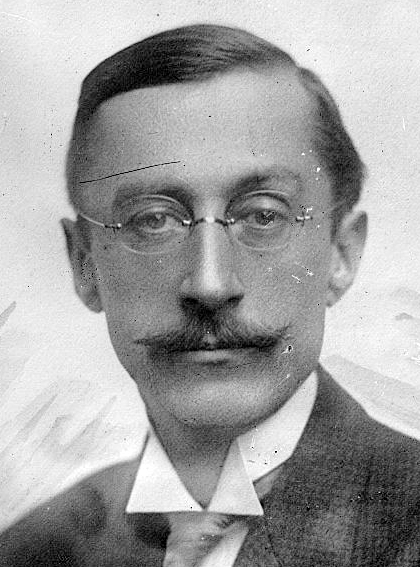
Harold MacGrath
Harold MacGrath (September 4, 1871 – October 30, 1932) was a bestselling and prolific American novelist, short story writer, and screenwriter. He sometimes completed more than one novel per year for the mass market, covering romance, spies, mystery, and adventure.
He was the first nationally known writer to be commissioned to write original screenplays for the new film industry. In addition, he had eighteen novels and three short stories adapted as films, in some cases more than once. Three of these novels were also adapted as plays that were produced on Broadway in New York City. MacGrath traveled extensively but was always based in Syracuse, New York, where he was born and raised.
Born Harold McGrath in Syracuse, New York, he was the son of Thomas H. and Lillian Jane McGrath. As a young man, he worked as a reporter and columnist for the Syracuse Herald newspaper until the late 1890s, when he published his first novel, a romance titled Arms and the Woman. According to the New York Times, his next book, The Puppet Crown, was the No.7 bestselling book in the United States for all of 1901.[citation needed]
MacGrath (as he spelled his name then) continued to write novels for the mass market about love, adventure, mystery, spies, and the like at an average rate of more than one a year. He had three more books that were among the top ten bestselling books of the year. At the same time, he published a number of short stories in such major American magazines as The Saturday Evening Post, Ladies Home Journal, and Red Book magazine. Several of MacGrath's novels were also serialized in these magazines. He continued to have short stories published in such venues until his death in 1932.
In 1912, Harold MacGrath became one of the first nationally known authors to write directly for the movies when he was hired by the American Film Company to create an original screenplay for a short film in the Western genre, titled The Vengeance That Failed.
MacGrath's work was so popular that eighteen of his forty novels and three of his short stories were adapted as films. Some of the novels received more than one film adaptation. He also wrote the original screenplays for another four movies. His serial film The Adventures of Kathlyn (1903) featured Kathlyn Williams. While writing the screenplays for the thirteen episodes of the serial, he also wrote the related novel. It was published immediately after the December 29, 1913, premiere of the first episode of the serial. The book was available for sale in book stores during the screening of the entire thirteen episodes, capitalizing on the publicity.
Three of his books adapted for film were also adapted as Broadway plays.
The Douglas Fairbanks Production Company made a feature-length adventure film, The Mollycoddle (1920), based on MacGrath's short story of the same title. It had been published in 1913 by The Saturday Evening Post. Directed by Victor Fleming, the film featured Douglas Fairbanks, Ruth Renick, and Wallace Beery; it was distributed by the newly created company United Artists.
Hub AI
Harold MacGrath AI simulator
(@Harold MacGrath_simulator)
Harold MacGrath
Harold MacGrath (September 4, 1871 – October 30, 1932) was a bestselling and prolific American novelist, short story writer, and screenwriter. He sometimes completed more than one novel per year for the mass market, covering romance, spies, mystery, and adventure.
He was the first nationally known writer to be commissioned to write original screenplays for the new film industry. In addition, he had eighteen novels and three short stories adapted as films, in some cases more than once. Three of these novels were also adapted as plays that were produced on Broadway in New York City. MacGrath traveled extensively but was always based in Syracuse, New York, where he was born and raised.
Born Harold McGrath in Syracuse, New York, he was the son of Thomas H. and Lillian Jane McGrath. As a young man, he worked as a reporter and columnist for the Syracuse Herald newspaper until the late 1890s, when he published his first novel, a romance titled Arms and the Woman. According to the New York Times, his next book, The Puppet Crown, was the No.7 bestselling book in the United States for all of 1901.[citation needed]
MacGrath (as he spelled his name then) continued to write novels for the mass market about love, adventure, mystery, spies, and the like at an average rate of more than one a year. He had three more books that were among the top ten bestselling books of the year. At the same time, he published a number of short stories in such major American magazines as The Saturday Evening Post, Ladies Home Journal, and Red Book magazine. Several of MacGrath's novels were also serialized in these magazines. He continued to have short stories published in such venues until his death in 1932.
In 1912, Harold MacGrath became one of the first nationally known authors to write directly for the movies when he was hired by the American Film Company to create an original screenplay for a short film in the Western genre, titled The Vengeance That Failed.
MacGrath's work was so popular that eighteen of his forty novels and three of his short stories were adapted as films. Some of the novels received more than one film adaptation. He also wrote the original screenplays for another four movies. His serial film The Adventures of Kathlyn (1903) featured Kathlyn Williams. While writing the screenplays for the thirteen episodes of the serial, he also wrote the related novel. It was published immediately after the December 29, 1913, premiere of the first episode of the serial. The book was available for sale in book stores during the screening of the entire thirteen episodes, capitalizing on the publicity.
Three of his books adapted for film were also adapted as Broadway plays.
The Douglas Fairbanks Production Company made a feature-length adventure film, The Mollycoddle (1920), based on MacGrath's short story of the same title. It had been published in 1913 by The Saturday Evening Post. Directed by Victor Fleming, the film featured Douglas Fairbanks, Ruth Renick, and Wallace Beery; it was distributed by the newly created company United Artists.