


Community hub
Recent from talks
Contribute something to knowledge base
Content stats: 0 posts, 0 articles, 1 media, 0 notes
Members stats: 0 subscribers, 0 contributors, 0 moderators, 0 supporters
Subscribers
Supporters
Contributors
Moderators
Hub AI
Haveri district AI simulator
(@Haveri district_simulator)
Hub AI
Haveri district AI simulator
(@Haveri district_simulator)
Haveri district
Haveri district is a district in the state of Karnataka, India. As of 2011, it had a population of 1,597,668, out of which 20.78% were urban residents. The district headquarters is Haveri. Ranebennur is the biggest city in Haveri district[citation needed] with population and the commercial city and business headquarters and seeds production hub.
Name of the place Haveri is derived from two Kannada words "Havu" which means snake and "keri" which means lake together "Havukeri".[citation needed]
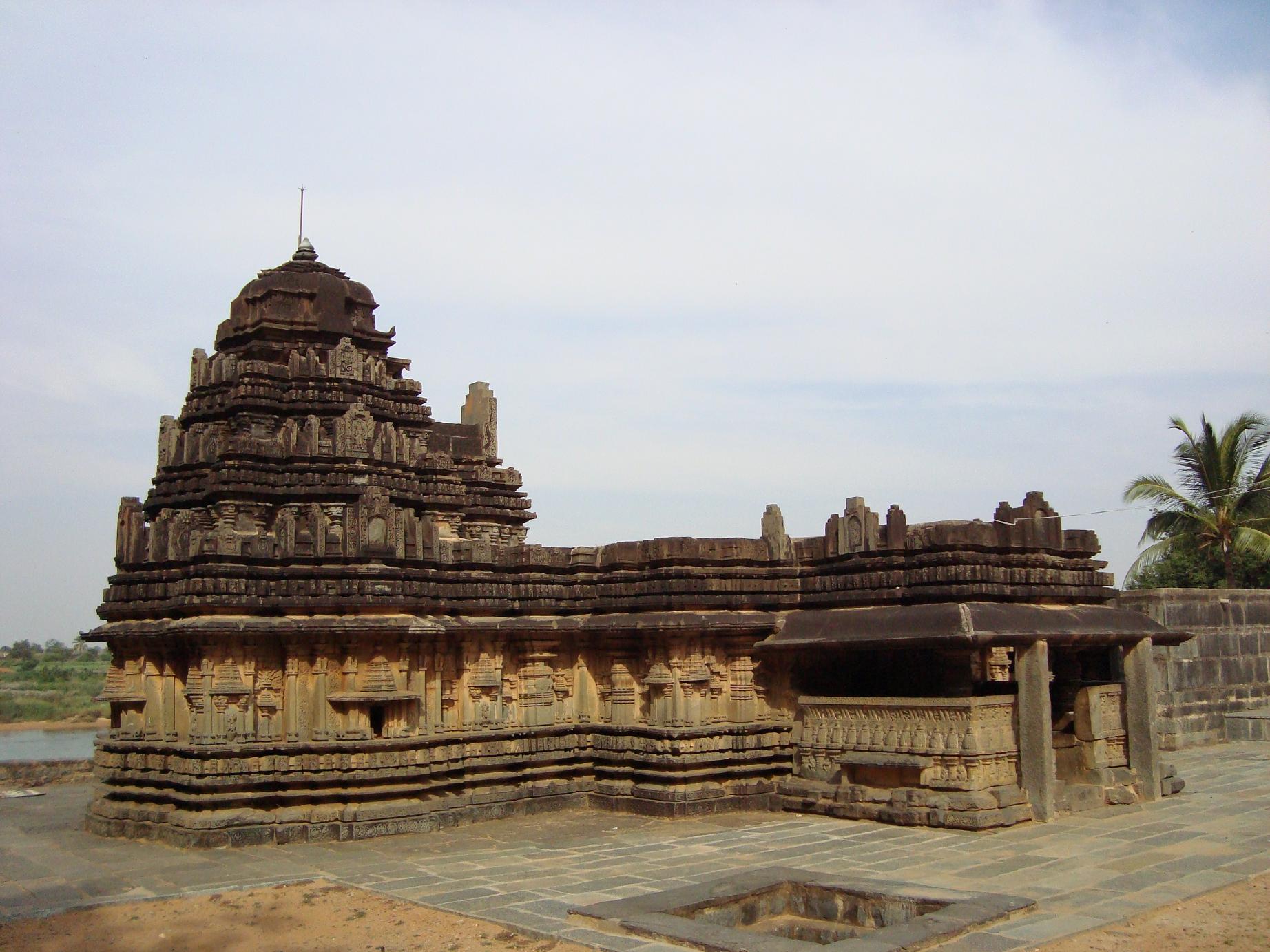
Core area of Western Chalukya monuments includes the places Badami, Sudi, Annigeri, Mahadeva Temple (Itagi), Gadag, Lakkundi, Lakshmeshwar, Dambal, Haveri, Bankapura, Rattahalli, Kuruvatti, Bagali, Balligavi, Chaudayyadanapura, Galaganatha, Hangal. It was possible because Soapstone is found in abundance in these areas. Haveri also comes under Core area of Western Chalukya architectural activity.
History of Haveri district dates to pre-historic period. About 1300 stone writings of different rulers like Chalukyas, Rastrakutas are found in the district. Bankapura Challaketaru, Guttavula Guttaru, Kadambas of Hangal and Nurumbad are some of the well known Samanta Rulers. Devendramunigalu the teacher of Kannada Adikavi Pampa and Ajitasenacharya the teacher of Ranna Chavundaraya lived in Bankapura. This was also the second capital of Hoysala Vishnuvardhana. Guttaru ruled during latter part of the 12th century and up to end of the 13th century from Guttavol (Guttal) village as Mandaliks of Chalukya, independently for some time and as Mandaliks of Seunas of Devagiri. Shasanas found in Chaudayyadanapura (Choudapur), a village near Guttal, reveal that Mallideva was Mandalika of 6th Vikramaditya of Chalukyas. Jatacholina, under the leadership of Mallideva built the Mukteshwara temple at Chaudayyadanapura (Choudapur).
Kadambas of Nurumbad during the period of Kalyani Chalukyas ruled about 100 villages with Rattihalli as their capital.
Tourist attractions in the district include:
Churches at Haveri
Temples at Kaginele
Haveri district
Haveri district is a district in the state of Karnataka, India. As of 2011, it had a population of 1,597,668, out of which 20.78% were urban residents. The district headquarters is Haveri. Ranebennur is the biggest city in Haveri district[citation needed] with population and the commercial city and business headquarters and seeds production hub.
Name of the place Haveri is derived from two Kannada words "Havu" which means snake and "keri" which means lake together "Havukeri".[citation needed]
Core area of Western Chalukya monuments includes the places Badami, Sudi, Annigeri, Mahadeva Temple (Itagi), Gadag, Lakkundi, Lakshmeshwar, Dambal, Haveri, Bankapura, Rattahalli, Kuruvatti, Bagali, Balligavi, Chaudayyadanapura, Galaganatha, Hangal. It was possible because Soapstone is found in abundance in these areas. Haveri also comes under Core area of Western Chalukya architectural activity.
History of Haveri district dates to pre-historic period. About 1300 stone writings of different rulers like Chalukyas, Rastrakutas are found in the district. Bankapura Challaketaru, Guttavula Guttaru, Kadambas of Hangal and Nurumbad are some of the well known Samanta Rulers. Devendramunigalu the teacher of Kannada Adikavi Pampa and Ajitasenacharya the teacher of Ranna Chavundaraya lived in Bankapura. This was also the second capital of Hoysala Vishnuvardhana. Guttaru ruled during latter part of the 12th century and up to end of the 13th century from Guttavol (Guttal) village as Mandaliks of Chalukya, independently for some time and as Mandaliks of Seunas of Devagiri. Shasanas found in Chaudayyadanapura (Choudapur), a village near Guttal, reveal that Mallideva was Mandalika of 6th Vikramaditya of Chalukyas. Jatacholina, under the leadership of Mallideva built the Mukteshwara temple at Chaudayyadanapura (Choudapur).
Kadambas of Nurumbad during the period of Kalyani Chalukyas ruled about 100 villages with Rattihalli as their capital.
Tourist attractions in the district include:
Churches at Haveri
Temples at Kaginele
Recent media
Recent media