
Recent from talks
Heavy metal guitar
Knowledge base stats:
Talk channels stats:
Members stats:
Heavy metal guitar
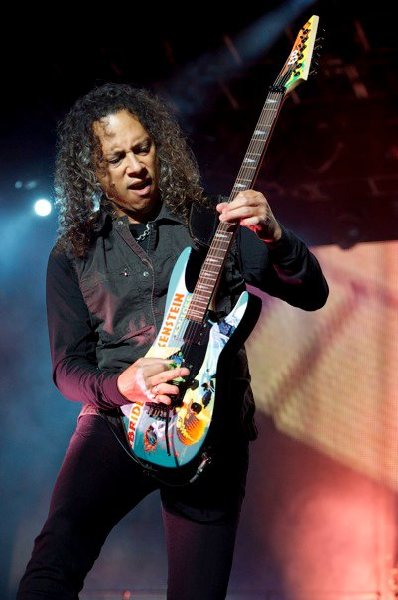
Heavy metal guitar (or simply metal guitar) is the use of highly-amplified electric guitar in heavy metal. Heavy metal guitar playing is rooted in the guitar playing styles developed in 1960s-era blues rock and psychedelic rock, and folk harmonic traditions and it uses a massive sound, characterized by highly amplified distortion, extended guitar solos and overall loudness. The electric guitar and the sonic power that it projects through amplification has historically been the key element in heavy metal. The heavy metal guitar sound comes from a combined use of high volumes and heavy distortion.
Heavy metal bands often have two electric guitarists, with one guitarist playing rhythm guitar and one guitarist playing lead guitar. The rhythm guitar player is part of the rhythm section of the band, along with the bass guitarist and the drummer. The lead guitarist plays guitar solos, instrumental melody lines and melodic fill passages. In power trios, which consist of a guitarist, bassist and drummer, with one or more members singing lead vocals, the single guitarist will switch between rhythm guitar and lead guitar roles as needed.
The rhythm guitar player is part of the rhythm section of the band, along with the bass guitarist and drummer (and in some bands, a keyboard player). The rhythm guitarist typically plays power chords and riffs using an electric guitar that is plugged into a guitar amplifier, with either the amplifier and/or a distortion effect pedal creating a thick, heavy, distorted sound. The rhythm guitar player plays chords and riffs that create, along with the bass and drums, the rhythmic sound of a metal song. The rhythm guitar also plays the chord progression of a song, along with the bass player (and, if the band has one, the keyboard player).
In 1966, the British company Marshall Amplification began producing the Marshall 1963, a guitar amplifier capable of producing the distorted "crunch" that rock musicians were starting to seek. With rhythm guitar parts, the "heavy crunch sound in heavy metal...[is created by] palm muting" the strings with the picking hand and using distortion. Palm muting creates a tighter, more precise sound and it emphasizes the low end.
Some rhythm guitarists sing lead vocals or backup vocals simultaneously as they play guitar.
The lead guitarist plays guitar solos, instrumental melody lines and melodic fill passages. Guitar solos are "...an essential element of the heavy metal code ... that underscores the significance of the guitar" to the genre. Most heavy metal songs "... featur[e] at least one guitar solo", which is "... a primary means through which the heavy metal performer expresses virtuosity". One exception is nu metal bands, which tend to omit guitar solos.
Shred guitar or "shredding" is a virtuoso lead guitar solo playing style for the electric guitar that is used in a number of metal genres. Shredding uses a range of fast playing techniques, such as "sweep-picked arpeggios, diminished and harmonic minor scales, finger-tapping, fast scale and arpeggio runs and special effects such as tremolo bar "dive bombs". Metal guitarists playing in a "shred" style use the electric guitar with a guitar amplifier and a range of electronic effects such as distortion, which create a more sustained guitar tone and facilitate guitar feedback effects.
In 1978, a "heretofore unknown guitarist named Eddie Van Halen" from Los Angeles released "'Eruption', a blistering aural assault of solo electric guitar" which featured rapid "tapping", which "had rarely been heard in a rock context before". Chris Yancik argues that it is this "record, above any other, that spawned the genre of Shred".
Hub AI
Heavy metal guitar AI simulator
(@Heavy metal guitar_simulator)
Heavy metal guitar
Heavy metal guitar (or simply metal guitar) is the use of highly-amplified electric guitar in heavy metal. Heavy metal guitar playing is rooted in the guitar playing styles developed in 1960s-era blues rock and psychedelic rock, and folk harmonic traditions and it uses a massive sound, characterized by highly amplified distortion, extended guitar solos and overall loudness. The electric guitar and the sonic power that it projects through amplification has historically been the key element in heavy metal. The heavy metal guitar sound comes from a combined use of high volumes and heavy distortion.
Heavy metal bands often have two electric guitarists, with one guitarist playing rhythm guitar and one guitarist playing lead guitar. The rhythm guitar player is part of the rhythm section of the band, along with the bass guitarist and the drummer. The lead guitarist plays guitar solos, instrumental melody lines and melodic fill passages. In power trios, which consist of a guitarist, bassist and drummer, with one or more members singing lead vocals, the single guitarist will switch between rhythm guitar and lead guitar roles as needed.
The rhythm guitar player is part of the rhythm section of the band, along with the bass guitarist and drummer (and in some bands, a keyboard player). The rhythm guitarist typically plays power chords and riffs using an electric guitar that is plugged into a guitar amplifier, with either the amplifier and/or a distortion effect pedal creating a thick, heavy, distorted sound. The rhythm guitar player plays chords and riffs that create, along with the bass and drums, the rhythmic sound of a metal song. The rhythm guitar also plays the chord progression of a song, along with the bass player (and, if the band has one, the keyboard player).
In 1966, the British company Marshall Amplification began producing the Marshall 1963, a guitar amplifier capable of producing the distorted "crunch" that rock musicians were starting to seek. With rhythm guitar parts, the "heavy crunch sound in heavy metal...[is created by] palm muting" the strings with the picking hand and using distortion. Palm muting creates a tighter, more precise sound and it emphasizes the low end.
Some rhythm guitarists sing lead vocals or backup vocals simultaneously as they play guitar.
The lead guitarist plays guitar solos, instrumental melody lines and melodic fill passages. Guitar solos are "...an essential element of the heavy metal code ... that underscores the significance of the guitar" to the genre. Most heavy metal songs "... featur[e] at least one guitar solo", which is "... a primary means through which the heavy metal performer expresses virtuosity". One exception is nu metal bands, which tend to omit guitar solos.
Shred guitar or "shredding" is a virtuoso lead guitar solo playing style for the electric guitar that is used in a number of metal genres. Shredding uses a range of fast playing techniques, such as "sweep-picked arpeggios, diminished and harmonic minor scales, finger-tapping, fast scale and arpeggio runs and special effects such as tremolo bar "dive bombs". Metal guitarists playing in a "shred" style use the electric guitar with a guitar amplifier and a range of electronic effects such as distortion, which create a more sustained guitar tone and facilitate guitar feedback effects.
In 1978, a "heretofore unknown guitarist named Eddie Van Halen" from Los Angeles released "'Eruption', a blistering aural assault of solo electric guitar" which featured rapid "tapping", which "had rarely been heard in a rock context before". Chris Yancik argues that it is this "record, above any other, that spawned the genre of Shred".
Recent media