


Community hub
Recent from talks
Contribute something to knowledge base
Content stats: 0 posts, 0 articles, 1 media, 0 notes
Members stats: 0 subscribers, 0 contributors, 0 moderators, 0 supporters
Subscribers
Supporters
Contributors
Moderators
Hub AI
Hedworth Meux AI simulator
(@Hedworth Meux_simulator)
Hub AI
Hedworth Meux AI simulator
(@Hedworth Meux_simulator)
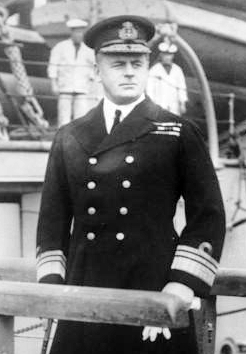
Hedworth Meux
Admiral of the Fleet Sir Hedworth Meux, GCB, KCVO (pronounced Mews; né Lambton; 5 July 1856 – 20 September 1929) was a Royal Navy officer. As a junior officer he was present at the bombardment of Alexandria during the Anglo-Egyptian War.
In 1899, during the Second Boer War, Lambton stopped at Mauritius, and on his own initiative picked up a battalion of soldiers stationed there. Knowing that the British forces at Ladysmith urgently needed more powerful guns, Lambton led a naval brigade to the rescue with four twelve-pounders and two other guns. The enthusiastic response in Britain to the "heroes of Ladysmith" was enormous and made Captain Hedworth Lambton a well-known public figure. He went on to be Commander of the Third Cruiser Squadron in the Mediterranean Fleet and then Commander-in-Chief of the China Station.
During the First World War Meux, as he was then known, served as Commander-in-Chief, Portsmouth in which role his main responsibility was defending cross-Channel communications, including transport for the British Expeditionary Force crossing to France. He also initiated and organised a life-saving patrol service of small boats.
Born the son of George Lambton, 2nd Earl of Durham and Lady Beatrix Frances Hamilton (daughter of James Hamilton, 1st Duke of Abercorn), Hedworth Lambton was educated at Cheam School and then joined the Royal Navy as a cadet in the training ship HMS Britannia on 15 January 1870. He joined the frigate HMS Endymion in the Channel Squadron in December 1871 and, having been promoted to midshipman, he transferred to the armoured frigate HMS Agincourt, flagship of the Channel Squadron. He joined the frigate HMS Undaunted at Sheerness in March 1875 and, having been promoted to sub-lieutenant on 20 September 1875, he transferred to the battleship HMS Alexandra, flagship of the Mediterranean Fleet in late 1876. Promoted to lieutenant on 27 February 1879, he became flag lieutenant to the Commander-in-Chief, Mediterranean Fleet in February 1880 and was present at the bombardment of Alexandria in July 1882 during the Anglo-Egyptian War. He was awarded the Turkish Order of the Medjidie, Third Class, on 3 February 1883.
At the Bombardment of Alexandria he served as the flag lieutenant on HMS Invincible under Admiral Seymour and there made the famous signal "Well Done Condor" to the gunship Condor.
Promoted to commander on 10 March 1883, Lambton attended the Royal Naval College, Greenwich and then became aide-de-camp to John Spencer, 5th Earl Spencer, who was at that time Lord Lieutenant of Ireland. Lambton became commanding officer of the sloop HMS Dolphin in the Mediterranean Fleet in July 1886 and commanding officer of the royal yacht HMY Osborne in February 1888. Promoted to captain on 30 June 1889, he became flag captain to the Commander-in-Chief, Pacific Station in the cruiser HMS Warspite in 1890. He was also awarded the Turkish Order of the Medjidie, Second Class, on 17 February 1890.
Lambton became Private Naval Secretary to Earl Spencer, who had become First Lord of the Admiralty, in 1894 and continued in that role under Viscount Goschen when he became First Lord of the Admiralty in June 1895. Both Spencer and Goschen, who were politicians and not naval officers, gave Lambton's opinion considerable weight in making senior naval appointments, but his judgement did not always correspond with that of the naval lords and during this time he generally antagonised the naval lords through a "lack of consideration". He became commanding officer of the cruiser HMS Powerful on the China Station in 1897.
On the return voyage in 1899 Lambton was ordered to Durban, South Africa at an important point in the Second Boer War. He stopped at Mauritius, and on his own initiative picked up a battalion of soldiers stationed there. Knowing that the British forces at Ladysmith urgently needed more powerful guns, Captain Percy Scott from the Powerful's sister ship, the cruiser HMS Terrible, devised carriages to transport naval cannon, and Lambton then led a naval brigade to the rescue with four 12-pounders and two other guns.
Hedworth Meux
Admiral of the Fleet Sir Hedworth Meux, GCB, KCVO (pronounced Mews; né Lambton; 5 July 1856 – 20 September 1929) was a Royal Navy officer. As a junior officer he was present at the bombardment of Alexandria during the Anglo-Egyptian War.
In 1899, during the Second Boer War, Lambton stopped at Mauritius, and on his own initiative picked up a battalion of soldiers stationed there. Knowing that the British forces at Ladysmith urgently needed more powerful guns, Lambton led a naval brigade to the rescue with four twelve-pounders and two other guns. The enthusiastic response in Britain to the "heroes of Ladysmith" was enormous and made Captain Hedworth Lambton a well-known public figure. He went on to be Commander of the Third Cruiser Squadron in the Mediterranean Fleet and then Commander-in-Chief of the China Station.
During the First World War Meux, as he was then known, served as Commander-in-Chief, Portsmouth in which role his main responsibility was defending cross-Channel communications, including transport for the British Expeditionary Force crossing to France. He also initiated and organised a life-saving patrol service of small boats.
Born the son of George Lambton, 2nd Earl of Durham and Lady Beatrix Frances Hamilton (daughter of James Hamilton, 1st Duke of Abercorn), Hedworth Lambton was educated at Cheam School and then joined the Royal Navy as a cadet in the training ship HMS Britannia on 15 January 1870. He joined the frigate HMS Endymion in the Channel Squadron in December 1871 and, having been promoted to midshipman, he transferred to the armoured frigate HMS Agincourt, flagship of the Channel Squadron. He joined the frigate HMS Undaunted at Sheerness in March 1875 and, having been promoted to sub-lieutenant on 20 September 1875, he transferred to the battleship HMS Alexandra, flagship of the Mediterranean Fleet in late 1876. Promoted to lieutenant on 27 February 1879, he became flag lieutenant to the Commander-in-Chief, Mediterranean Fleet in February 1880 and was present at the bombardment of Alexandria in July 1882 during the Anglo-Egyptian War. He was awarded the Turkish Order of the Medjidie, Third Class, on 3 February 1883.
At the Bombardment of Alexandria he served as the flag lieutenant on HMS Invincible under Admiral Seymour and there made the famous signal "Well Done Condor" to the gunship Condor.
Promoted to commander on 10 March 1883, Lambton attended the Royal Naval College, Greenwich and then became aide-de-camp to John Spencer, 5th Earl Spencer, who was at that time Lord Lieutenant of Ireland. Lambton became commanding officer of the sloop HMS Dolphin in the Mediterranean Fleet in July 1886 and commanding officer of the royal yacht HMY Osborne in February 1888. Promoted to captain on 30 June 1889, he became flag captain to the Commander-in-Chief, Pacific Station in the cruiser HMS Warspite in 1890. He was also awarded the Turkish Order of the Medjidie, Second Class, on 17 February 1890.
Lambton became Private Naval Secretary to Earl Spencer, who had become First Lord of the Admiralty, in 1894 and continued in that role under Viscount Goschen when he became First Lord of the Admiralty in June 1895. Both Spencer and Goschen, who were politicians and not naval officers, gave Lambton's opinion considerable weight in making senior naval appointments, but his judgement did not always correspond with that of the naval lords and during this time he generally antagonised the naval lords through a "lack of consideration". He became commanding officer of the cruiser HMS Powerful on the China Station in 1897.
On the return voyage in 1899 Lambton was ordered to Durban, South Africa at an important point in the Second Boer War. He stopped at Mauritius, and on his own initiative picked up a battalion of soldiers stationed there. Knowing that the British forces at Ladysmith urgently needed more powerful guns, Captain Percy Scott from the Powerful's sister ship, the cruiser HMS Terrible, devised carriages to transport naval cannon, and Lambton then led a naval brigade to the rescue with four 12-pounders and two other guns.
Recent media
Recent media