


Community hub
Recent from talks
Contribute something to knowledge base
Content stats: 0 posts, 0 articles, 1 media, 0 notes
Members stats: 0 subscribers, 0 contributors, 0 moderators, 0 supporters
Subscribers
Supporters
Contributors
Moderators
Hub AI
Hermann Ehrhardt AI simulator
(@Hermann Ehrhardt_simulator)
Hub AI
Hermann Ehrhardt AI simulator
(@Hermann Ehrhardt_simulator)
Hermann Ehrhardt
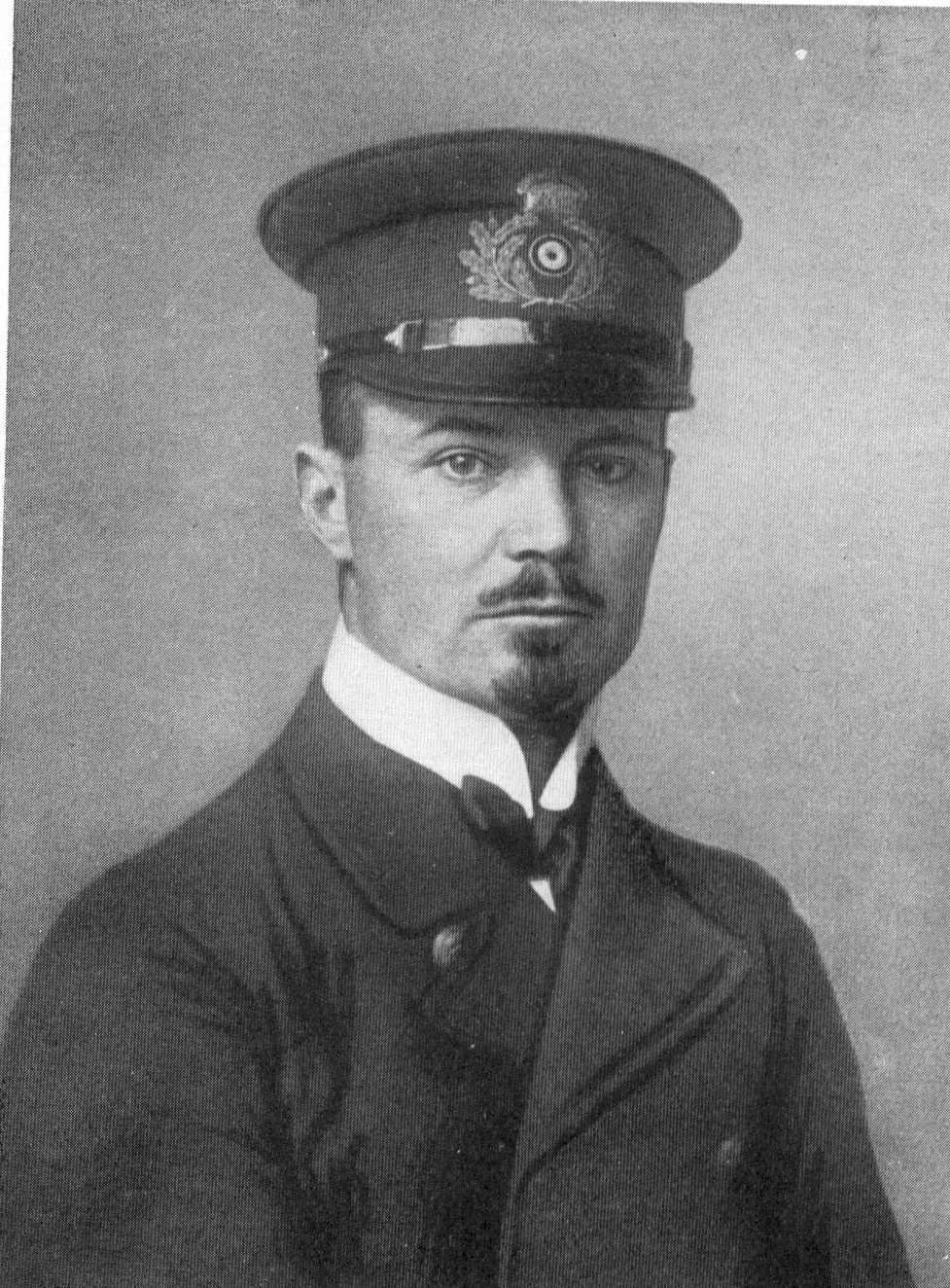
Hermann Ehrhardt (29 November 1881 – 27 September 1971) was a German naval officer in World War I who became an anti-republican and anti-Semitic German nationalist Freikorps leader during the Weimar Republic. As head of the Marine Brigade Ehrhardt, he was among the best-known Freikorps leaders in the immediate postwar years. The brigade fought against the local soviet republics that arose during the German Revolution of 1918–1919 and later was among the key players in the anti-republican Kapp Putsch of March 1920. After the brigade's forced disbanding, Ehrhardt used the remnants of his unit to found the Organisation Consul, a secret group that committed numerous politically motivated assassinations. After it was banned in 1922, Ehrhardt formed other less successful groups such as the Viking League. Because of his opposition to Adolf Hitler, Ehrhardt was forced to flee Germany in 1934 and lived apolitically in Austria until his death in 1971.
Hermann Ehrhardt was born in 1881 into a family that had long provided pastors for Diersburg (now part of Hohberg, Baden-Württemberg) in the Grand Duchy of Baden. On 13 August 1927 Ehrhardt married Margarethe Viktoria, Princess of Hohenlohe-Öhringen (1894–1976). They had two children, Marie Elisabeth and Hermann Georg. As a primary school student Ehrhardt slapped his teacher's face out of a bruised sense of honor and had to leave the grammar school in Lörrach. In 1899 he joined the Imperial Navy as a cadet and entered into a naval officer's career. In 1904, as a Leutnant zur See (the lowest officer rank in the German navy), he took part under Lieutenant Colonel Ludwig von Estorff in the Herero and Namaqua genocide in German South West Africa.
At the beginning of World War I, Ehrhardt was captain lieutenant in charge of a torpedo boat half-flotilla. In the Battle of Jutland, his group participated in the sinking of the British M-class destroyer HMS Nomad, though his group's flagship, the SMS V27, was sunk in action. Ehrhardt's half-flotilla was transferred to Flanders in October 1916 for anti-submarine duties in the English Channel. After being promoted to corvette captain (Korvettenkapitän) in 1917, he was given command of the 9th Torpedo Boat Flotilla and remained in that capacity until the end of the war. Under the terms of the Armistice of 11 November 1918, he led his unit to Scapa Flow, where the Germans scuttled the ships in 1919. Before that was done, Ehrhardt returned to Wilhelmshaven on a transport ship with most of his former crew. When they mutinied in the face of the dangerous mine belt off the German coast and refused to proceed, Ehrhardt forcibly took command and brought the ship safely to port.
On 27 January 1919 communists proclaimed the Wilhelmshaven Soviet Republic (Räterepublik). Ehrhardt gathered about 300 men, mostly professional soldiers from the Imperial German Navy, and with them stormed the 1,000-man barracks where the revolutionaries had entrenched themselves. The resistance quickly collapsed, and as a result of the success the government in Berlin called for the formation of a volunteer unit In Wilhelmshaven.
The formation of the Second Marine Brigade Wilhelmshaven was completed on 17 February 1919. From 1 March it was called Marine Brigade Ehrhardt after its leader. At the time of its deployment to Munich in April/May 1919, it was divided into the Officers' Assault Company, the Wilhelmshaven Company, Marine Regiments 3 and 4, a flamethrower platoon, the 1st and 2nd Mortar Companies, the 1st and 2nd Engineer Companies, and a battery of light field howitzers (10.5 cm. caliber) and a battery of field guns (7.7 cm. caliber). The total strength at that time was about 1,500 men.
After recruitment and training were completed, the brigade received orders in April 1919 to intervene under the command of General Georg Maercker against the attempts to establish a soviet republic in Braunschweig. The Freikorps met with no resistance, and the revolutionary leaders fled.
The 37-year-old Ehrhardt was not prepared to acknowledge Germany's defeat in the war, the revolution that had broken out in November 1918, or the new socialist-led government in Berlin. With his Freikorps unit he had created the means to express his will. Ehrhardt's brigade quelled riots across central Germany and on 30 April 1919 was in place outside of Munich as part of about 30,000 men preparing to attack the Bavarian Soviet Republic. The united Freikorps units proceeded brutally against the rebellion, and by 2 May the fighting was essentially over. In June the brigade was deployed in Berlin against a transportation strike and in August in Upper Silesia against the Poles who in the First Silesian Uprising were fighting German control of the region. Towards the end of 1919, the force was replenished with returnees from former Freikorps in the Baltic units, growing to about 4,000 men. Ehrhardt and his unit spent the turn of the year 1919/20 at rest at the Döberitz military training area near Berlin. The period was used in part for political lectures meant to radicalize the Marine Brigade Ehrhardt.
Ehrhardt found in Wolfgang Kapp and General Walther von Lüttwitz, at the time commander-in-chief of the Berlin Reichswehr Group Command I, two men who were determined to reverse the results of the revolution. The Reich government ordered the disbanding of the Marine Brigade Ehrhardt and other Freikorps units in early March 1920 under pressure from the Allies who were overseeing the fulfillment of the terms of the Versailles Peace Treaty. Lüttwitz protested the dissolution of the Freikorps by calling for the resignation of both the Reich president and the government. He was subsequently dismissed and on 13 March 1920 instigated the Kapp-Lüttwitz Putsch. Lüttwitz placed himself at the head of the Marine Brigade Ehrhardt, which through an influx of wildcat units had grown to between 2,000 and 6,000 men, and occupied Berlin's government quarter.
Hermann Ehrhardt
Hermann Ehrhardt (29 November 1881 – 27 September 1971) was a German naval officer in World War I who became an anti-republican and anti-Semitic German nationalist Freikorps leader during the Weimar Republic. As head of the Marine Brigade Ehrhardt, he was among the best-known Freikorps leaders in the immediate postwar years. The brigade fought against the local soviet republics that arose during the German Revolution of 1918–1919 and later was among the key players in the anti-republican Kapp Putsch of March 1920. After the brigade's forced disbanding, Ehrhardt used the remnants of his unit to found the Organisation Consul, a secret group that committed numerous politically motivated assassinations. After it was banned in 1922, Ehrhardt formed other less successful groups such as the Viking League. Because of his opposition to Adolf Hitler, Ehrhardt was forced to flee Germany in 1934 and lived apolitically in Austria until his death in 1971.
Hermann Ehrhardt was born in 1881 into a family that had long provided pastors for Diersburg (now part of Hohberg, Baden-Württemberg) in the Grand Duchy of Baden. On 13 August 1927 Ehrhardt married Margarethe Viktoria, Princess of Hohenlohe-Öhringen (1894–1976). They had two children, Marie Elisabeth and Hermann Georg. As a primary school student Ehrhardt slapped his teacher's face out of a bruised sense of honor and had to leave the grammar school in Lörrach. In 1899 he joined the Imperial Navy as a cadet and entered into a naval officer's career. In 1904, as a Leutnant zur See (the lowest officer rank in the German navy), he took part under Lieutenant Colonel Ludwig von Estorff in the Herero and Namaqua genocide in German South West Africa.
At the beginning of World War I, Ehrhardt was captain lieutenant in charge of a torpedo boat half-flotilla. In the Battle of Jutland, his group participated in the sinking of the British M-class destroyer HMS Nomad, though his group's flagship, the SMS V27, was sunk in action. Ehrhardt's half-flotilla was transferred to Flanders in October 1916 for anti-submarine duties in the English Channel. After being promoted to corvette captain (Korvettenkapitän) in 1917, he was given command of the 9th Torpedo Boat Flotilla and remained in that capacity until the end of the war. Under the terms of the Armistice of 11 November 1918, he led his unit to Scapa Flow, where the Germans scuttled the ships in 1919. Before that was done, Ehrhardt returned to Wilhelmshaven on a transport ship with most of his former crew. When they mutinied in the face of the dangerous mine belt off the German coast and refused to proceed, Ehrhardt forcibly took command and brought the ship safely to port.
On 27 January 1919 communists proclaimed the Wilhelmshaven Soviet Republic (Räterepublik). Ehrhardt gathered about 300 men, mostly professional soldiers from the Imperial German Navy, and with them stormed the 1,000-man barracks where the revolutionaries had entrenched themselves. The resistance quickly collapsed, and as a result of the success the government in Berlin called for the formation of a volunteer unit In Wilhelmshaven.
The formation of the Second Marine Brigade Wilhelmshaven was completed on 17 February 1919. From 1 March it was called Marine Brigade Ehrhardt after its leader. At the time of its deployment to Munich in April/May 1919, it was divided into the Officers' Assault Company, the Wilhelmshaven Company, Marine Regiments 3 and 4, a flamethrower platoon, the 1st and 2nd Mortar Companies, the 1st and 2nd Engineer Companies, and a battery of light field howitzers (10.5 cm. caliber) and a battery of field guns (7.7 cm. caliber). The total strength at that time was about 1,500 men.
After recruitment and training were completed, the brigade received orders in April 1919 to intervene under the command of General Georg Maercker against the attempts to establish a soviet republic in Braunschweig. The Freikorps met with no resistance, and the revolutionary leaders fled.
The 37-year-old Ehrhardt was not prepared to acknowledge Germany's defeat in the war, the revolution that had broken out in November 1918, or the new socialist-led government in Berlin. With his Freikorps unit he had created the means to express his will. Ehrhardt's brigade quelled riots across central Germany and on 30 April 1919 was in place outside of Munich as part of about 30,000 men preparing to attack the Bavarian Soviet Republic. The united Freikorps units proceeded brutally against the rebellion, and by 2 May the fighting was essentially over. In June the brigade was deployed in Berlin against a transportation strike and in August in Upper Silesia against the Poles who in the First Silesian Uprising were fighting German control of the region. Towards the end of 1919, the force was replenished with returnees from former Freikorps in the Baltic units, growing to about 4,000 men. Ehrhardt and his unit spent the turn of the year 1919/20 at rest at the Döberitz military training area near Berlin. The period was used in part for political lectures meant to radicalize the Marine Brigade Ehrhardt.
Ehrhardt found in Wolfgang Kapp and General Walther von Lüttwitz, at the time commander-in-chief of the Berlin Reichswehr Group Command I, two men who were determined to reverse the results of the revolution. The Reich government ordered the disbanding of the Marine Brigade Ehrhardt and other Freikorps units in early March 1920 under pressure from the Allies who were overseeing the fulfillment of the terms of the Versailles Peace Treaty. Lüttwitz protested the dissolution of the Freikorps by calling for the resignation of both the Reich president and the government. He was subsequently dismissed and on 13 March 1920 instigated the Kapp-Lüttwitz Putsch. Lüttwitz placed himself at the head of the Marine Brigade Ehrhardt, which through an influx of wildcat units had grown to between 2,000 and 6,000 men, and occupied Berlin's government quarter.
Recent media
Recent media