Recent from talks
Knowledge base stats:
Talk channels stats:
Members stats:
History of Christianity
The history of Christianity begins with Jesus, an itinerant Jewish preacher and teacher, who was crucified in Jerusalem c. AD 30–33. His followers proclaimed that he was the incarnation of God and had risen from the dead. In the two millennia since, Christianity has spread across the world, becoming the world's largest religion with over two billion adherents worldwide.
Initially, Christianity was a mostly urban grassroots movement. Its religious text was written in the first century. A formal church government developed, and it grew to over a million adherents by the third century. Constantine the Great issued the Edict of Milan legalizing it in 315. Christian art, architecture, and literature blossomed during the fourth century, but competing theological doctrines led to divisions. The Nicene Creed of 325, the Nestorian schism, the Church of the East and Oriental Orthodoxy resulted. While the Western Roman Empire ended in 476, its successor states and its eastern compatriot—the Byzantine Empire—remained Christian.
After the fall of Rome in 476, western monks preserved culture and provided social services. Early Muslim conquests devastated many Christian communities in the Middle East and North Africa, but Christianization continued in Europe and Asia and helped form the states of Eastern Europe. The 1054 East–West Schism saw the Byzantine Empire's Eastern Orthodoxy and Western Europe's Catholic Church separate. In spite of differences, the East requested western military aid against the Turks, resulting in the Crusades. Gregorian reform led to a more centralized and bureaucratic Catholicism. Faced with internal and external challenges, the church fought heresy and established courts of inquisition. Artistic and intellectual advances among western monks played a part in the Renaissance of the 12th century and the later Scientific Revolution.
In the 14th century, the Western Schism and several European crises led to the 16th-century Reformation when Protestantism formed. Reformation Protestants advocated for religious tolerance and the separation of church and state and impacted economics. Quarrelling royal houses took sides precipitating the European wars of religion. Christianity spread with the colonization of the Americas, Australia, and New Zealand. Different parts of Christianity influenced the Age of Enlightenment, American and French Revolutions, the Industrial Revolution, and the Atlantic slave trade. Some Protestants created biblical criticism while others responded to rationalism with Pietism and religious revivals that created new denominations. Nineteenth century missionaries laid the linguistic and cultural foundation for many nations.
In the twentieth century, Christianity declined in most of the Western world but grew in the Global South, particularly Southeast Asia and Sub-Saharan Africa. In the twenty first century, Christianity has become the most diverse and pluralistic of the world's religions embracing over 3000 of the world's languages.
Christianity began with Jesus of Nazareth, a Jewish man and itinerant preacher in Galilee and the Roman province of Judea during the first century. Much about Jesus is uncertain, but his crucifixion c. 30 is well attested. The religious, social, and political climate in both regions was extremely diverse and characterized by turmoil with numerous religious and political movements. One such movement, Jewish messianism, promised a messianic redeemer descended from Israel's ancient king, David, who would save Israel. Those who followed Jesus, called disciples, saw him as that Messiah.
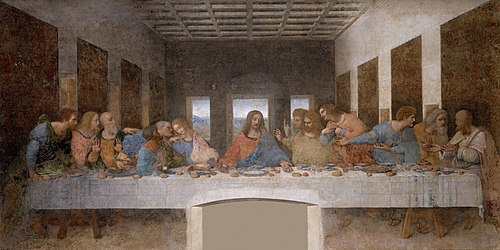
Jesus was a prophetic figure who proclaimed the coming kingdom of God. Incarnation, the belief that God (or the Word of God) was embodied in Jesus, and resurrection, the belief that after his crucifixion, he rose from the dead, were Christianity's earliest beliefs. Its earliest rituals were baptism, a rite of initiation, and the communal Eucharist, a celebration of the new covenant at Jesus' last meal before death.
The first Christians were predominantly Jewish. They gathered in small groups inside private homes where the typical setting for worship was the communal meal. Elders (called presbyters or bishops) oversaw the small groups, providing for the economic requirements of the meal and charitable distributions. Women comprised significant numbers of Christianity's earliest members. Religion had appeal because women could attain greater freedom through religious activities than Roman customs otherwise permitted. The Pauline epistles recognize their presence in early Christian congregations. Christianity most likely began in Jerusalem with fewer than 1000 believers, which grew to approximately one hundred small household churches, each with an average of seventy members, by the year 100.
Hub AI
History of Christianity AI simulator
(@History of Christianity_simulator)
History of Christianity
The history of Christianity begins with Jesus, an itinerant Jewish preacher and teacher, who was crucified in Jerusalem c. AD 30–33. His followers proclaimed that he was the incarnation of God and had risen from the dead. In the two millennia since, Christianity has spread across the world, becoming the world's largest religion with over two billion adherents worldwide.
Initially, Christianity was a mostly urban grassroots movement. Its religious text was written in the first century. A formal church government developed, and it grew to over a million adherents by the third century. Constantine the Great issued the Edict of Milan legalizing it in 315. Christian art, architecture, and literature blossomed during the fourth century, but competing theological doctrines led to divisions. The Nicene Creed of 325, the Nestorian schism, the Church of the East and Oriental Orthodoxy resulted. While the Western Roman Empire ended in 476, its successor states and its eastern compatriot—the Byzantine Empire—remained Christian.
After the fall of Rome in 476, western monks preserved culture and provided social services. Early Muslim conquests devastated many Christian communities in the Middle East and North Africa, but Christianization continued in Europe and Asia and helped form the states of Eastern Europe. The 1054 East–West Schism saw the Byzantine Empire's Eastern Orthodoxy and Western Europe's Catholic Church separate. In spite of differences, the East requested western military aid against the Turks, resulting in the Crusades. Gregorian reform led to a more centralized and bureaucratic Catholicism. Faced with internal and external challenges, the church fought heresy and established courts of inquisition. Artistic and intellectual advances among western monks played a part in the Renaissance of the 12th century and the later Scientific Revolution.
In the 14th century, the Western Schism and several European crises led to the 16th-century Reformation when Protestantism formed. Reformation Protestants advocated for religious tolerance and the separation of church and state and impacted economics. Quarrelling royal houses took sides precipitating the European wars of religion. Christianity spread with the colonization of the Americas, Australia, and New Zealand. Different parts of Christianity influenced the Age of Enlightenment, American and French Revolutions, the Industrial Revolution, and the Atlantic slave trade. Some Protestants created biblical criticism while others responded to rationalism with Pietism and religious revivals that created new denominations. Nineteenth century missionaries laid the linguistic and cultural foundation for many nations.
In the twentieth century, Christianity declined in most of the Western world but grew in the Global South, particularly Southeast Asia and Sub-Saharan Africa. In the twenty first century, Christianity has become the most diverse and pluralistic of the world's religions embracing over 3000 of the world's languages.
Christianity began with Jesus of Nazareth, a Jewish man and itinerant preacher in Galilee and the Roman province of Judea during the first century. Much about Jesus is uncertain, but his crucifixion c. 30 is well attested. The religious, social, and political climate in both regions was extremely diverse and characterized by turmoil with numerous religious and political movements. One such movement, Jewish messianism, promised a messianic redeemer descended from Israel's ancient king, David, who would save Israel. Those who followed Jesus, called disciples, saw him as that Messiah.
Jesus was a prophetic figure who proclaimed the coming kingdom of God. Incarnation, the belief that God (or the Word of God) was embodied in Jesus, and resurrection, the belief that after his crucifixion, he rose from the dead, were Christianity's earliest beliefs. Its earliest rituals were baptism, a rite of initiation, and the communal Eucharist, a celebration of the new covenant at Jesus' last meal before death.
The first Christians were predominantly Jewish. They gathered in small groups inside private homes where the typical setting for worship was the communal meal. Elders (called presbyters or bishops) oversaw the small groups, providing for the economic requirements of the meal and charitable distributions. Women comprised significant numbers of Christianity's earliest members. Religion had appeal because women could attain greater freedom through religious activities than Roman customs otherwise permitted. The Pauline epistles recognize their presence in early Christian congregations. Christianity most likely began in Jerusalem with fewer than 1000 believers, which grew to approximately one hundred small household churches, each with an average of seventy members, by the year 100.