
Recent from talks
History of Nauru
Knowledge base stats:
Talk channels stats:
Members stats:
History of Nauru
History of Nauru, is about Nauru, an island country in the Pacific Ocean. Human activity is thought to have begun roughly 3,000 years ago when clans settled the island. A people and culture developed on the island, the Nauru, which had 12 tribes. At the end of the 1700s, a British ship came, and this was the first known contact with the outside world. The British ship called it "pleasant island", and it was a friendly greeting; the British sailed on. Thirty years later, in 1830, an escaped Irish convict took over the island and was finally evicted in 1841. There were scattered interactions with passing vessels and trade. In the mid-to-late 19th century, a devastating civil war started, which took the lives of many Nauru. This war was ended when Germany annexed the island in 1888, and negotiations ended the fighting. In the 1900s, phosphate mining started, and the Germans built some modern facilities on the island. German control ended at the end of World War I, and it was passed to Australia as protectorate. This continued until WW2, when the Empire of Japan invaded the island. Although it was occupied for a few years, many Nauru died at this time, and much of the population was deported from the island and/or used for slave labor. With the surrender of Japan, the Nauru were returned to the island, and it was put under Australian administration again, under the condition it would become independent. This happened in 1968, and Nauru has been a stable democracy since that time. In the last three decades of the 20th century, Nauru had enormous per capita wealth from the phosphate mining, to the point they were some of the richest people on the planet. However, when this ended and the investments were depleted, it has had a harder time, and international aid is important in the 21st century.
Nauru was settled by Micronesians around 3,000 years ago, and there is evidence of possible Polynesian influence. Nauruans subsisted on coconut and pandanus fruit, and engaged in aquaculture by catching juvenile ibija fish, acclimated them to freshwater conditions, and raised them in Buada Lagoon, providing an additional reliable source of food. Traditionally only men were permitted to fish on the reef, and did so from canoes or by using trained man-of-war hawks.
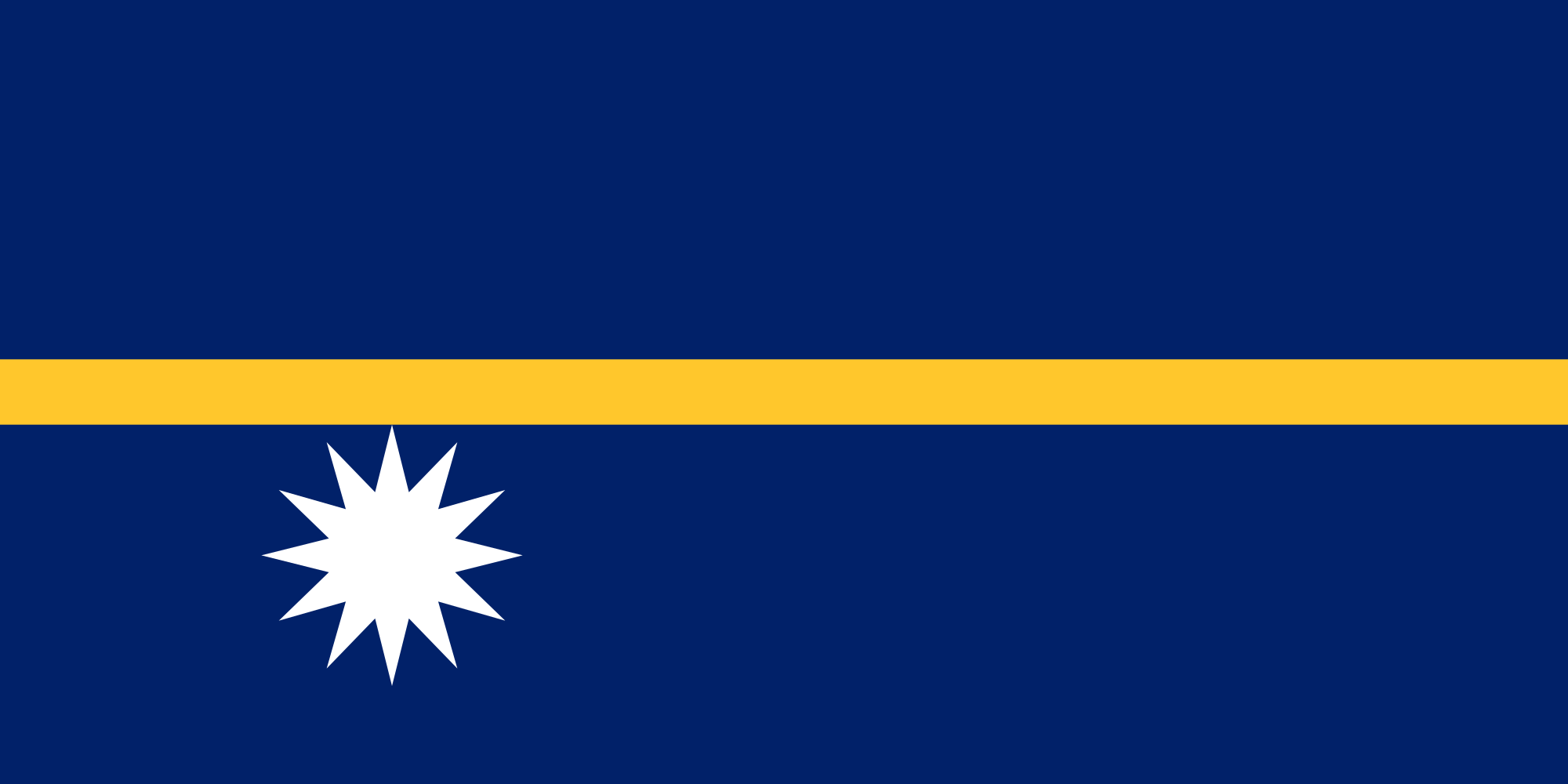
There were traditionally 12 clans or tribes on Nauru, which are represented in the 12-pointed star in the nation's flag. Nauruans traced their descent on the female side. The first Europeans to encounter the island were on the British whaling ship Hunter, in 1798. When the ship approached, "many canoes ventured out to meet the ship. The Hunter's crew did not leave the ship nor did Nauruans board, but Captain John Fearn's positive impression of the island and its people" led to its English name, Pleasant Island. This name was used until Germany annexed the island 90 years later.
From around 1830, Nauruans had contact with Europeans from whaling ships and traders who replenished their supplies (such as fresh water) at Nauru. The islanders traded food for alcoholic toddy and firearms. The first Europeans to live on the island, starting perhaps in 1830, were Patrick Burke and John Jones, Irish convicts who had escaped from Norfolk Island, according to Paradise for Sale. Jones became "Nauru's first and last dictator," who killed or banished several other beachcombers who arrived later, until the Nauruans banished Jones from the island in 1841.
The introduction of firearms and alcohol destroyed the peaceful coexistence of the 12 tribes living on the island. A 10-year civil war began in 1878 and resulted in a reduction of the population from 1,400 (1843) to around 900 (1888). Ultimately, alcohol was banned and some arms were confiscated.
In 1886 Germany was granted the island under the Anglo-German Declaration. The island was annexed by Germany in 1888 and incorporated into Germany's New Guinea Protectorate. Nauru was occupied on 16 April 1888 by German troops, which ended the Nauruan Civil War. On 1 October 1888 the German gunboat SMS Eber landed 36 men on Nauru. Accompanied by William Harris the German marines marched around the island and returned with the twelve chiefs, the white settlers and a Gilbertese missionary. The chiefs were kept under house arrest until the morning of 2 October, when the annexation ceremony began with the raising of the German flag. The Germans told the chiefs that they had to surrender all weapons and ammunition within 24 hours or the chiefs would be taken prisoner. By the morning of 3 October 765 guns and 1,000 rounds of ammunition had been turned over. The Germans called the island Nawodo or Onawero. The arrival of the Germans ended the war, and social changes brought about by the war established kings as rulers of the island, the most widely known being King Auweyida. Christian missionaries from the Gilbert Islands also arrived in 1888. The Germans ruled Nauru for almost three decades. Robert Rasch, a German trader who married a native woman, was the first administrator, appointed in 1888.
At the time there were twelve tribes on Nauru: Deiboe, Eamwidamit, Eamwidara, Eamwit, Eamgum, Eano, Emea, Eoraru, Irutsi, Iruwa, Iwi and Ranibok. Today the twelve tribes are represented by the twelve-pointed star in the flag of Nauru.
Phosphate was discovered on Nauru in 1900 by the prospector Albert Ellis. The Pacific Phosphate Company started to exploit the reserves in 1906 by agreement with Germany. The company exported its first shipment in 1907.
Hub AI
History of Nauru AI simulator
(@History of Nauru_simulator)
History of Nauru
History of Nauru, is about Nauru, an island country in the Pacific Ocean. Human activity is thought to have begun roughly 3,000 years ago when clans settled the island. A people and culture developed on the island, the Nauru, which had 12 tribes. At the end of the 1700s, a British ship came, and this was the first known contact with the outside world. The British ship called it "pleasant island", and it was a friendly greeting; the British sailed on. Thirty years later, in 1830, an escaped Irish convict took over the island and was finally evicted in 1841. There were scattered interactions with passing vessels and trade. In the mid-to-late 19th century, a devastating civil war started, which took the lives of many Nauru. This war was ended when Germany annexed the island in 1888, and negotiations ended the fighting. In the 1900s, phosphate mining started, and the Germans built some modern facilities on the island. German control ended at the end of World War I, and it was passed to Australia as protectorate. This continued until WW2, when the Empire of Japan invaded the island. Although it was occupied for a few years, many Nauru died at this time, and much of the population was deported from the island and/or used for slave labor. With the surrender of Japan, the Nauru were returned to the island, and it was put under Australian administration again, under the condition it would become independent. This happened in 1968, and Nauru has been a stable democracy since that time. In the last three decades of the 20th century, Nauru had enormous per capita wealth from the phosphate mining, to the point they were some of the richest people on the planet. However, when this ended and the investments were depleted, it has had a harder time, and international aid is important in the 21st century.
Nauru was settled by Micronesians around 3,000 years ago, and there is evidence of possible Polynesian influence. Nauruans subsisted on coconut and pandanus fruit, and engaged in aquaculture by catching juvenile ibija fish, acclimated them to freshwater conditions, and raised them in Buada Lagoon, providing an additional reliable source of food. Traditionally only men were permitted to fish on the reef, and did so from canoes or by using trained man-of-war hawks.
There were traditionally 12 clans or tribes on Nauru, which are represented in the 12-pointed star in the nation's flag. Nauruans traced their descent on the female side. The first Europeans to encounter the island were on the British whaling ship Hunter, in 1798. When the ship approached, "many canoes ventured out to meet the ship. The Hunter's crew did not leave the ship nor did Nauruans board, but Captain John Fearn's positive impression of the island and its people" led to its English name, Pleasant Island. This name was used until Germany annexed the island 90 years later.
From around 1830, Nauruans had contact with Europeans from whaling ships and traders who replenished their supplies (such as fresh water) at Nauru. The islanders traded food for alcoholic toddy and firearms. The first Europeans to live on the island, starting perhaps in 1830, were Patrick Burke and John Jones, Irish convicts who had escaped from Norfolk Island, according to Paradise for Sale. Jones became "Nauru's first and last dictator," who killed or banished several other beachcombers who arrived later, until the Nauruans banished Jones from the island in 1841.
The introduction of firearms and alcohol destroyed the peaceful coexistence of the 12 tribes living on the island. A 10-year civil war began in 1878 and resulted in a reduction of the population from 1,400 (1843) to around 900 (1888). Ultimately, alcohol was banned and some arms were confiscated.
In 1886 Germany was granted the island under the Anglo-German Declaration. The island was annexed by Germany in 1888 and incorporated into Germany's New Guinea Protectorate. Nauru was occupied on 16 April 1888 by German troops, which ended the Nauruan Civil War. On 1 October 1888 the German gunboat SMS Eber landed 36 men on Nauru. Accompanied by William Harris the German marines marched around the island and returned with the twelve chiefs, the white settlers and a Gilbertese missionary. The chiefs were kept under house arrest until the morning of 2 October, when the annexation ceremony began with the raising of the German flag. The Germans told the chiefs that they had to surrender all weapons and ammunition within 24 hours or the chiefs would be taken prisoner. By the morning of 3 October 765 guns and 1,000 rounds of ammunition had been turned over. The Germans called the island Nawodo or Onawero. The arrival of the Germans ended the war, and social changes brought about by the war established kings as rulers of the island, the most widely known being King Auweyida. Christian missionaries from the Gilbert Islands also arrived in 1888. The Germans ruled Nauru for almost three decades. Robert Rasch, a German trader who married a native woman, was the first administrator, appointed in 1888.
At the time there were twelve tribes on Nauru: Deiboe, Eamwidamit, Eamwidara, Eamwit, Eamgum, Eano, Emea, Eoraru, Irutsi, Iruwa, Iwi and Ranibok. Today the twelve tribes are represented by the twelve-pointed star in the flag of Nauru.
Phosphate was discovered on Nauru in 1900 by the prospector Albert Ellis. The Pacific Phosphate Company started to exploit the reserves in 1906 by agreement with Germany. The company exported its first shipment in 1907.
Recent media