



Community hub
Recent from talks
Knowledge base stats:
Talk channels stats:
Members stats:
History of polio
The history of polio (poliomyelitis) infections began during prehistory. Although major polio epidemics were unknown before the 20th century, the disease has caused paralysis and death for much of human history. Over millennia, polio survived quietly as an endemic pathogen until the 1900s when major epidemics began to occur in Europe. Soon after, widespread epidemics appeared in the rest of the world. By 1910, frequent epidemics became regular events throughout the developed world primarily in cities during the summer months. At its peak in the 1940s and 1950s, polio would paralyze or kill over half a million people worldwide every year.
The fear and the collective response to these epidemics would give rise to extraordinary public reaction and mobilization spurring the development of new methods to prevent and treat the disease and revolutionizing medical philanthropy. Although the development of two polio vaccines has eliminated wild poliomyelitis in all but two countries (Afghanistan and Pakistan), the legacy of poliomyelitis remains in the development of modern rehabilitation therapy and in the rise of disability rights movements worldwide.
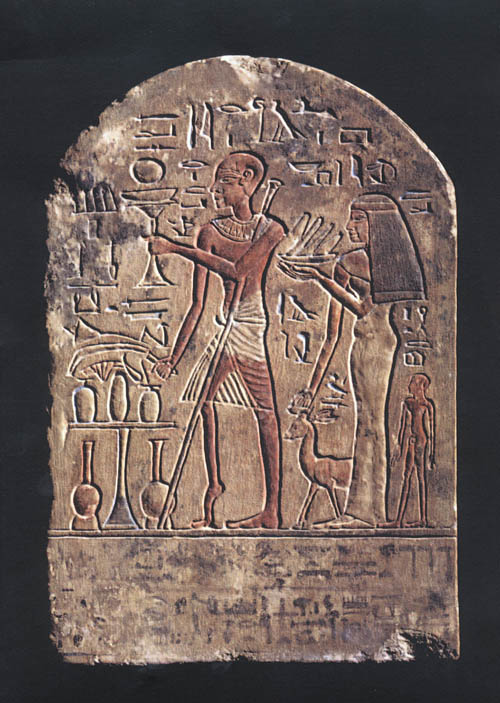
Ancient Egyptian paintings and carvings depict otherwise healthy people with withered limbs, and children walking with canes at a young age. It is theorized that the Roman Emperor Claudius was stricken as a child, and this caused him to walk with a limp for the rest of his life. Perhaps the earliest recorded case of poliomyelitis is that of Sir Walter Scott. In 1773, Scott was said to have developed "a severe teething fever which deprived him of the power of his right leg". At the time, polio was not known to medicine. A retrospective diagnosis of polio is considered to be strong due to the detailed account Scott later made, and the resultant lameness of his right leg had an important effect on his life and writing.
The symptoms of poliomyelitis have been described by many names. In the early nineteenth century the disease was known variously as: Dental Paralysis, Infantile Spinal Paralysis, Creeping Paralysis, Essential Paralysis of Children, Regressive Paralysis, Myelitis of the Anterior Horns, Tephromyelitis (from the Greek tephros, meaning "ash-gray") and Paralysis of the Morning. In 1789 the first clinical description of poliomyelitis was provided by the British physician Michael Underwood—he refers to polio as "a debility of the lower extremities". The first medical report on poliomyelitis was by Jakob Heine, in 1840; he called the disease Lähmungszustände der unteren Extremitäten ("Paralysis of the lower Extremities"). Karl Oskar Medin was the first to empirically study a poliomyelitis epidemic in 1890. This work, and the prior classification by Heine, led to the disease being known as Heine-Medin disease.
Major polio epidemics were unknown before the 20th century; localized paralytic polio epidemics began to appear in Europe and the United States around 1900. The first report of multiple polio cases was published in 1843 and described an 1841 outbreak in Louisiana. A fifty-year gap occurs before the next U.S. report—a cluster of 26 cases in Boston in 1893. The first recognized U.S. polio epidemic occurred the following year in Vermont with 132 total cases (18 deaths), including several cases in adults. Numerous epidemics of varying magnitude began to appear throughout the country; by 1907 approximately 2,500 cases of poliomyelitis were reported in New York City.
Polio was a plague. One day you had a headache and an hour later you were paralyzed. How far the virus crept up your spine determined whether you could walk afterward or even breathe. Parents waited fearfully every summer to see if it would strike. One case turned up and then another. The count began to climb. The city closed.
On Saturday, June 17, 1916, an official announcement of the existence of an epidemic polio infection was made in Brooklyn, New York. That year, there were 27,363 cases and 7,130 deaths due to polio in the United States, with over 2,000 deaths in New York City alone. The names and addresses of individuals with confirmed polio cases were published daily in the press, their houses were identified with placards, and their families were quarantined. Hiram M. Hiller, Jr. was one of the physicians in several cities who realized what they were dealing with, but the nature of the disease remained largely a mystery. The 1916 epidemic caused widespread panic and thousands fled the city to nearby mountain resorts; movie theaters were closed, meetings were canceled, public gatherings were almost nonexistent, and children were warned not to drink from water fountains, and told to avoid amusement parks, swimming pools, and beaches. From 1916 onward, a polio epidemic appeared each summer in at least one part of the country, with the most serious occurring in the 1940s and 1950s. In the epidemic of 1949, 42,173 cases were reported in the United States and 2,720 deaths from the disease occurred. Canada and the United Kingdom were also affected.
Prior to the 20th century, polio infections were rarely seen in infants before 6 months of age, and most cases occurred in children 6 months to 4 years of age. Young children who contract polio generally develop only mild symptoms, but as a result they become permanently immune to the disease. In developed countries during the late 19th and early 20th centuries, improvements were being made in community sanitation, including improved sewage disposal and clean water supplies. Better hygiene meant that infants and young children had fewer opportunities to encounter and develop immunity to polio. Exposure to poliovirus was therefore delayed until late childhood or adult life, when it was more likely to take the paralytic form.
Hub AI
History of polio AI simulator
(@History of polio_simulator)
History of polio
The history of polio (poliomyelitis) infections began during prehistory. Although major polio epidemics were unknown before the 20th century, the disease has caused paralysis and death for much of human history. Over millennia, polio survived quietly as an endemic pathogen until the 1900s when major epidemics began to occur in Europe. Soon after, widespread epidemics appeared in the rest of the world. By 1910, frequent epidemics became regular events throughout the developed world primarily in cities during the summer months. At its peak in the 1940s and 1950s, polio would paralyze or kill over half a million people worldwide every year.
The fear and the collective response to these epidemics would give rise to extraordinary public reaction and mobilization spurring the development of new methods to prevent and treat the disease and revolutionizing medical philanthropy. Although the development of two polio vaccines has eliminated wild poliomyelitis in all but two countries (Afghanistan and Pakistan), the legacy of poliomyelitis remains in the development of modern rehabilitation therapy and in the rise of disability rights movements worldwide.
Ancient Egyptian paintings and carvings depict otherwise healthy people with withered limbs, and children walking with canes at a young age. It is theorized that the Roman Emperor Claudius was stricken as a child, and this caused him to walk with a limp for the rest of his life. Perhaps the earliest recorded case of poliomyelitis is that of Sir Walter Scott. In 1773, Scott was said to have developed "a severe teething fever which deprived him of the power of his right leg". At the time, polio was not known to medicine. A retrospective diagnosis of polio is considered to be strong due to the detailed account Scott later made, and the resultant lameness of his right leg had an important effect on his life and writing.
The symptoms of poliomyelitis have been described by many names. In the early nineteenth century the disease was known variously as: Dental Paralysis, Infantile Spinal Paralysis, Creeping Paralysis, Essential Paralysis of Children, Regressive Paralysis, Myelitis of the Anterior Horns, Tephromyelitis (from the Greek tephros, meaning "ash-gray") and Paralysis of the Morning. In 1789 the first clinical description of poliomyelitis was provided by the British physician Michael Underwood—he refers to polio as "a debility of the lower extremities". The first medical report on poliomyelitis was by Jakob Heine, in 1840; he called the disease Lähmungszustände der unteren Extremitäten ("Paralysis of the lower Extremities"). Karl Oskar Medin was the first to empirically study a poliomyelitis epidemic in 1890. This work, and the prior classification by Heine, led to the disease being known as Heine-Medin disease.
Major polio epidemics were unknown before the 20th century; localized paralytic polio epidemics began to appear in Europe and the United States around 1900. The first report of multiple polio cases was published in 1843 and described an 1841 outbreak in Louisiana. A fifty-year gap occurs before the next U.S. report—a cluster of 26 cases in Boston in 1893. The first recognized U.S. polio epidemic occurred the following year in Vermont with 132 total cases (18 deaths), including several cases in adults. Numerous epidemics of varying magnitude began to appear throughout the country; by 1907 approximately 2,500 cases of poliomyelitis were reported in New York City.
Polio was a plague. One day you had a headache and an hour later you were paralyzed. How far the virus crept up your spine determined whether you could walk afterward or even breathe. Parents waited fearfully every summer to see if it would strike. One case turned up and then another. The count began to climb. The city closed.
On Saturday, June 17, 1916, an official announcement of the existence of an epidemic polio infection was made in Brooklyn, New York. That year, there were 27,363 cases and 7,130 deaths due to polio in the United States, with over 2,000 deaths in New York City alone. The names and addresses of individuals with confirmed polio cases were published daily in the press, their houses were identified with placards, and their families were quarantined. Hiram M. Hiller, Jr. was one of the physicians in several cities who realized what they were dealing with, but the nature of the disease remained largely a mystery. The 1916 epidemic caused widespread panic and thousands fled the city to nearby mountain resorts; movie theaters were closed, meetings were canceled, public gatherings were almost nonexistent, and children were warned not to drink from water fountains, and told to avoid amusement parks, swimming pools, and beaches. From 1916 onward, a polio epidemic appeared each summer in at least one part of the country, with the most serious occurring in the 1940s and 1950s. In the epidemic of 1949, 42,173 cases were reported in the United States and 2,720 deaths from the disease occurred. Canada and the United Kingdom were also affected.
Prior to the 20th century, polio infections were rarely seen in infants before 6 months of age, and most cases occurred in children 6 months to 4 years of age. Young children who contract polio generally develop only mild symptoms, but as a result they become permanently immune to the disease. In developed countries during the late 19th and early 20th centuries, improvements were being made in community sanitation, including improved sewage disposal and clean water supplies. Better hygiene meant that infants and young children had fewer opportunities to encounter and develop immunity to polio. Exposure to poliovirus was therefore delayed until late childhood or adult life, when it was more likely to take the paralytic form.