


Community hub
Recent from talks
Contribute something to knowledge base
Content stats: 0 posts, 0 articles, 1 media, 0 notes
Members stats: 0 subscribers, 0 contributors, 0 moderators, 0 supporters
Subscribers
Supporters
Contributors
Moderators
Hub AI
Hualapai AI simulator
(@Hualapai_simulator)
Hub AI
Hualapai AI simulator
(@Hualapai_simulator)
Hualapai
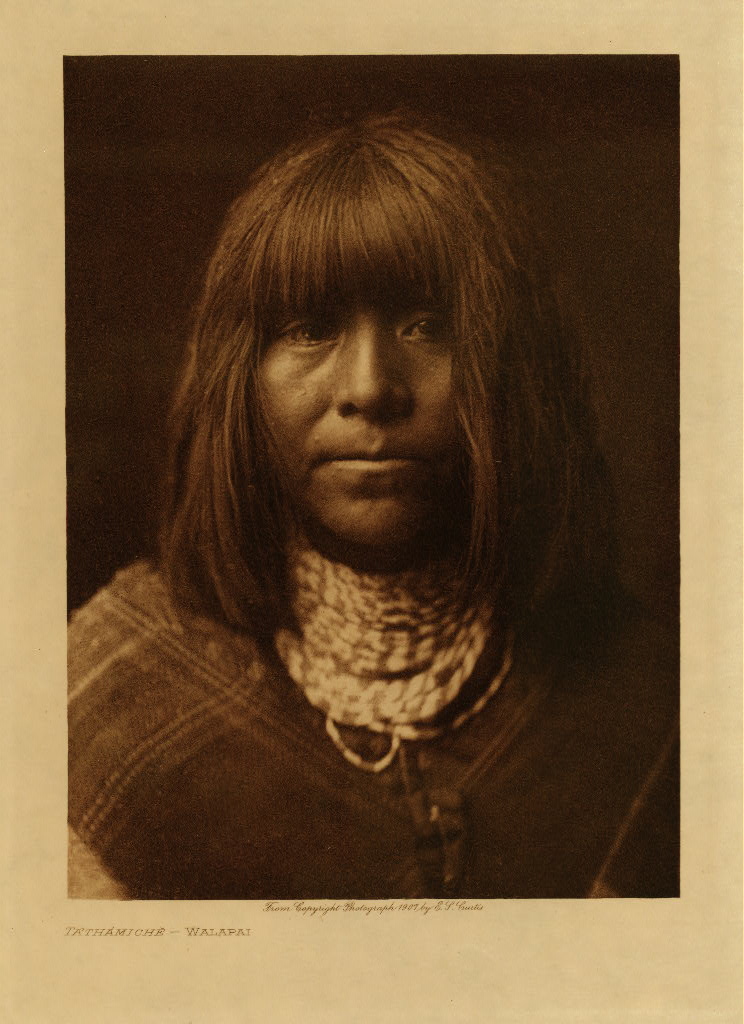
The Hualapai (/ˈwɑːlɑːpaɪ/ WAH-lah-py, Walapai: Hwalbáy) are a federally recognized Native American tribe in Arizona with about 2300 enrolled citizens. Approximately 1353 enrolled citizens reside on the Hualapai Reservation, which spans over three counties in Northern Arizona (Coconino, Yavapai, and Mohave).
The name, meaning "people of the tall pines", is derived from hwa:l, the Hualapai word for ponderosa pine and pai "people". Their traditional territory is a 108-mile (174 km) stretch along the pine-clad southern side of the Grand Canyon and the Colorado River with the tribal capital at Peach Springs. Other communities on the reservation include Valentine and Grand Canyon West.
The Hualapai tribe is a sovereign nation and governed by an executive and judicial branch and a tribal council. The tribe provides a variety of social, cultural, educational and economic services to its citizens.
The Hualapai Nation Police Department provides Law Enforcement services to the People of the Hualapai Nation and its visitors and guests.
The Hualapai language is a Pai branch of the Yuman–Cochimí languages, also spoken by the closely related Havasupai, and more distantly to Yavapai people. It is spoken by most people over 30 on the Reservation as well as many young people. The Peach Springs School District runs a successful bilingual program for all local students, both Hualapai and non-Hualapai, in addition to immersion camps.
The Hualapai Reservation (35°54′25″N 113°07′58″W / 35.90694°N 113.13278°W), covering 1,142 square miles (2,960 km2), was created by the Presidential Executive order of Chester A. Arthur on January 4, 1883., it is located in Coconino and Mohave counties. Its headquarter and most important community is Peach Springs.
Major traditional ceremonies of the Hualapai include the "Maturity" ceremony and the "Mourning" ceremony. Nowadays the modern Sobriety Festival is also celebrated in June.
The souls of the dead are believed to go northwestward to a beautiful land where plentiful harvest grow. This land is believed to be seen only by Hualapai spirits.
Hualapai
The Hualapai (/ˈwɑːlɑːpaɪ/ WAH-lah-py, Walapai: Hwalbáy) are a federally recognized Native American tribe in Arizona with about 2300 enrolled citizens. Approximately 1353 enrolled citizens reside on the Hualapai Reservation, which spans over three counties in Northern Arizona (Coconino, Yavapai, and Mohave).
The name, meaning "people of the tall pines", is derived from hwa:l, the Hualapai word for ponderosa pine and pai "people". Their traditional territory is a 108-mile (174 km) stretch along the pine-clad southern side of the Grand Canyon and the Colorado River with the tribal capital at Peach Springs. Other communities on the reservation include Valentine and Grand Canyon West.
The Hualapai tribe is a sovereign nation and governed by an executive and judicial branch and a tribal council. The tribe provides a variety of social, cultural, educational and economic services to its citizens.
The Hualapai Nation Police Department provides Law Enforcement services to the People of the Hualapai Nation and its visitors and guests.
The Hualapai language is a Pai branch of the Yuman–Cochimí languages, also spoken by the closely related Havasupai, and more distantly to Yavapai people. It is spoken by most people over 30 on the Reservation as well as many young people. The Peach Springs School District runs a successful bilingual program for all local students, both Hualapai and non-Hualapai, in addition to immersion camps.
The Hualapai Reservation (35°54′25″N 113°07′58″W / 35.90694°N 113.13278°W), covering 1,142 square miles (2,960 km2), was created by the Presidential Executive order of Chester A. Arthur on January 4, 1883., it is located in Coconino and Mohave counties. Its headquarter and most important community is Peach Springs.
Major traditional ceremonies of the Hualapai include the "Maturity" ceremony and the "Mourning" ceremony. Nowadays the modern Sobriety Festival is also celebrated in June.
The souls of the dead are believed to go northwestward to a beautiful land where plentiful harvest grow. This land is believed to be seen only by Hualapai spirits.
Recent media
Recent media