



Community hub
Recent from talks
Knowledge base stats:
Talk channels stats:
Members stats:
Hugo Stinnes
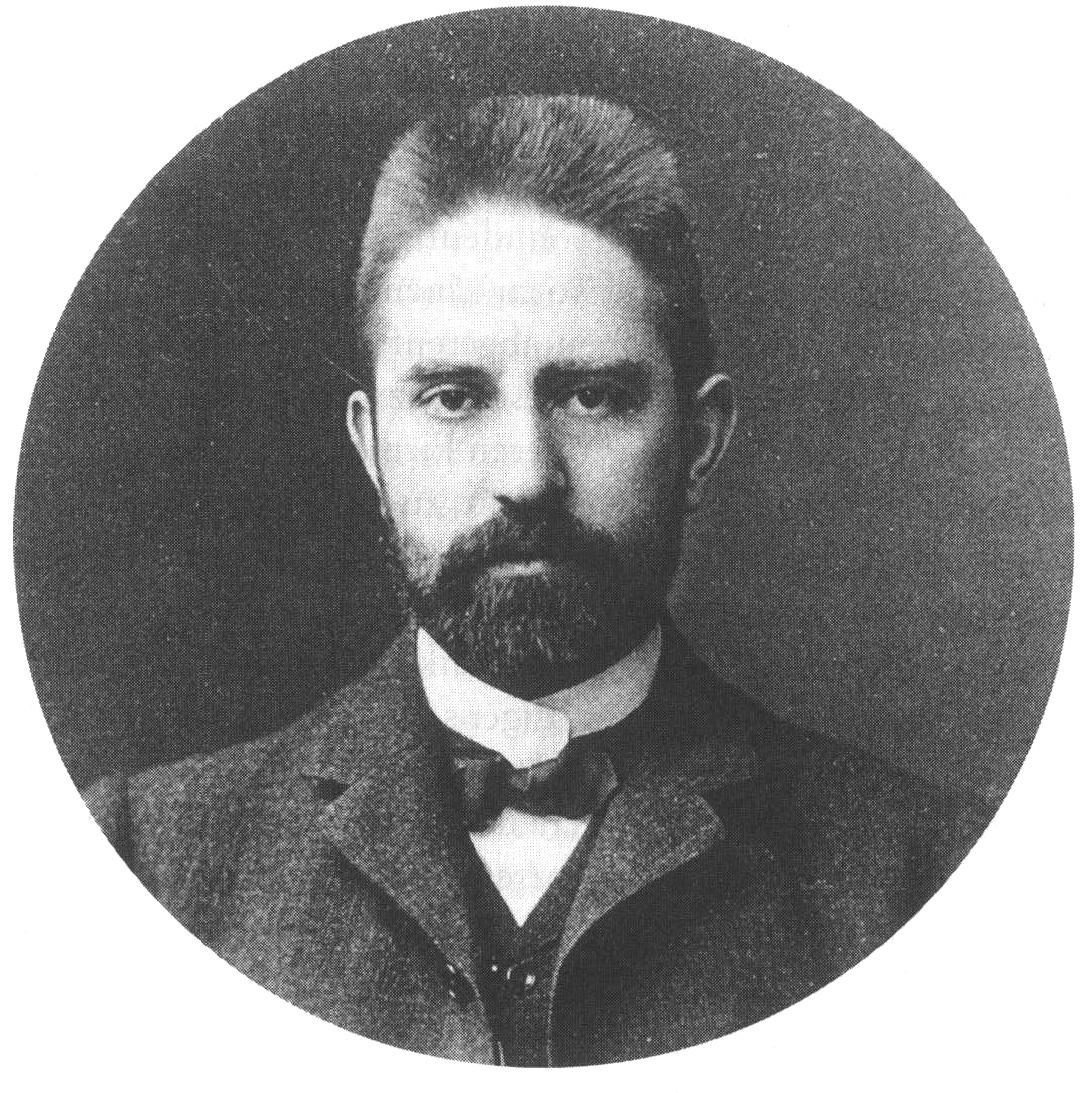
Hugo Adolf Eugen Victor Stinnes commonly known as Hugo Stinnes (12 February 1870 – 10 April 1924) was a German industrialist and politician who served as a member of Reichstag from 1920 to 1924 (his death). During the late era of the German Empire and early Weimar Republic, he was considered to be one of the most influential entrepreneurs in Europe.
Stinnes was born in Mülheim, in the Ruhr Valley, North German Confederation. His parents Hermann Hugo (1842–1887) and Adeline Stinnes (1844–1925), and his grandfather, Matthias Stinnes, had founded a modest enterprise in Mülheim.
After passing his graduating examination from a secondary school (Realschule), young Stinnes was placed in an office at Koblenz where he received business training. In order to get a practical knowledge of mining, he worked for a few months as a miner at the Wiethe colliery. Then, in 1889, he attended a course of instruction at the Bergakademie Berlin (in 1916 merged the Technische Hochschule in Charlottenburg (now Technische Universität Berlin)). In 1890, he inherited his father's coal mining and other financial enterprises.
Gradually, from working in the coal industry, he purchased his own shipyard. He also began to purchase seagoing vessels as well as river steamers and barges, the latter—especially on the Rhine—on a constantly increasing scale. He next organized an extensive international business in coal, and had 13 steamers trading to and from North Sea, Baltic, Mediterranean and Black Sea ports. They carried coal, wood, grain and iron ore. By the age of 23, Stinnes was heavily invested in the steel industry. He also imported great quantities of English coal and had an agency at Newcastle as well as an interest in some English mines. This led to his establishing branches of his business at Hamburg and at Rotterdam.
Since its founding in 1898, Stinnes had been on the Board of Directors of the Rheinisch-Westfälisches Elektrizitätswerk Aktiengesellschaft (RWE). He envisioned creating steam using the coal from his mines, to drive turbines for electricity production. As soon as Stinnes recognized RWE's potential he and steel magnate Fritz Thyssen bought shares to become the majority shareholder. The reason for RWE's rapid growth were the permits provided by the communities. However, since these concessions were time-limited, he chose to make the communities permanent shareholders, and gave each mayor a car.
Before World War I, he was the possessor of a significant fortune which was vaguely estimated at several million pounds. He was a director of many of the largest industrial and mining companies of Westphalia, the Rhineland and Luxembourg. Business interests of this magnitude were constantly expanding, and he became interested in numerous subsidiary enterprises, such as tramways and the supply of electric power and light. He was always engaged in founding new companies or amalgamating existing ones. Stinnes managed to maintain an extensive and even a detailed knowledge of the working of all the companies in which he was engaged and, in all of them, to exact zealous and conscientious work from his business subordinates. The secret of his success was vertical integration and an essential unity of direction and coordination of aims in all branches of his enterprises.
When World War I broke out, Stinnes secured an enormous share in the war profits which enlarged the fortunes of the great industrialists. In enemy countries, his enterprises were sequestrated, and his firm at Rotterdam placed on the Allies' "black list". But, apart from the regular indemnification paid by the German government, he was richly compensated when he was called in by Erich Ludendorff, as the most competent expert to give advice, to organize the coal and the industrial production of occupied Belgium and to help to set in motion the gigantic production of war material which the German general headquarters demanded.
During the war, Stinnes extended his activities in Hamburg, and in 1916 he bought up the Woermann and the East African steamship lines. In these new undertakings, he became associated with the two greatest German shipping companies, the Hamburg-American Line and the North German Lloyd. His Hamburg interests continued to multiply in something like geometrical progression. He purchased half a dozen landed estates in Saxony to supply timber for pit props. At Flensburg in Schleswig, he secured control of the largest Baltic shipping concern, and proceeded to build a new fleet of ships, christening one of them the "Hindenburg".
Hub AI
Hugo Stinnes AI simulator
(@Hugo Stinnes_simulator)
Hugo Stinnes
Hugo Adolf Eugen Victor Stinnes commonly known as Hugo Stinnes (12 February 1870 – 10 April 1924) was a German industrialist and politician who served as a member of Reichstag from 1920 to 1924 (his death). During the late era of the German Empire and early Weimar Republic, he was considered to be one of the most influential entrepreneurs in Europe.
Stinnes was born in Mülheim, in the Ruhr Valley, North German Confederation. His parents Hermann Hugo (1842–1887) and Adeline Stinnes (1844–1925), and his grandfather, Matthias Stinnes, had founded a modest enterprise in Mülheim.
After passing his graduating examination from a secondary school (Realschule), young Stinnes was placed in an office at Koblenz where he received business training. In order to get a practical knowledge of mining, he worked for a few months as a miner at the Wiethe colliery. Then, in 1889, he attended a course of instruction at the Bergakademie Berlin (in 1916 merged the Technische Hochschule in Charlottenburg (now Technische Universität Berlin)). In 1890, he inherited his father's coal mining and other financial enterprises.
Gradually, from working in the coal industry, he purchased his own shipyard. He also began to purchase seagoing vessels as well as river steamers and barges, the latter—especially on the Rhine—on a constantly increasing scale. He next organized an extensive international business in coal, and had 13 steamers trading to and from North Sea, Baltic, Mediterranean and Black Sea ports. They carried coal, wood, grain and iron ore. By the age of 23, Stinnes was heavily invested in the steel industry. He also imported great quantities of English coal and had an agency at Newcastle as well as an interest in some English mines. This led to his establishing branches of his business at Hamburg and at Rotterdam.
Since its founding in 1898, Stinnes had been on the Board of Directors of the Rheinisch-Westfälisches Elektrizitätswerk Aktiengesellschaft (RWE). He envisioned creating steam using the coal from his mines, to drive turbines for electricity production. As soon as Stinnes recognized RWE's potential he and steel magnate Fritz Thyssen bought shares to become the majority shareholder. The reason for RWE's rapid growth were the permits provided by the communities. However, since these concessions were time-limited, he chose to make the communities permanent shareholders, and gave each mayor a car.
Before World War I, he was the possessor of a significant fortune which was vaguely estimated at several million pounds. He was a director of many of the largest industrial and mining companies of Westphalia, the Rhineland and Luxembourg. Business interests of this magnitude were constantly expanding, and he became interested in numerous subsidiary enterprises, such as tramways and the supply of electric power and light. He was always engaged in founding new companies or amalgamating existing ones. Stinnes managed to maintain an extensive and even a detailed knowledge of the working of all the companies in which he was engaged and, in all of them, to exact zealous and conscientious work from his business subordinates. The secret of his success was vertical integration and an essential unity of direction and coordination of aims in all branches of his enterprises.
When World War I broke out, Stinnes secured an enormous share in the war profits which enlarged the fortunes of the great industrialists. In enemy countries, his enterprises were sequestrated, and his firm at Rotterdam placed on the Allies' "black list". But, apart from the regular indemnification paid by the German government, he was richly compensated when he was called in by Erich Ludendorff, as the most competent expert to give advice, to organize the coal and the industrial production of occupied Belgium and to help to set in motion the gigantic production of war material which the German general headquarters demanded.
During the war, Stinnes extended his activities in Hamburg, and in 1916 he bought up the Woermann and the East African steamship lines. In these new undertakings, he became associated with the two greatest German shipping companies, the Hamburg-American Line and the North German Lloyd. His Hamburg interests continued to multiply in something like geometrical progression. He purchased half a dozen landed estates in Saxony to supply timber for pit props. At Flensburg in Schleswig, he secured control of the largest Baltic shipping concern, and proceeded to build a new fleet of ships, christening one of them the "Hindenburg".