
Recent from talks
Humber derby
Knowledge base stats:
Talk channels stats:
Members stats:
Humber derby
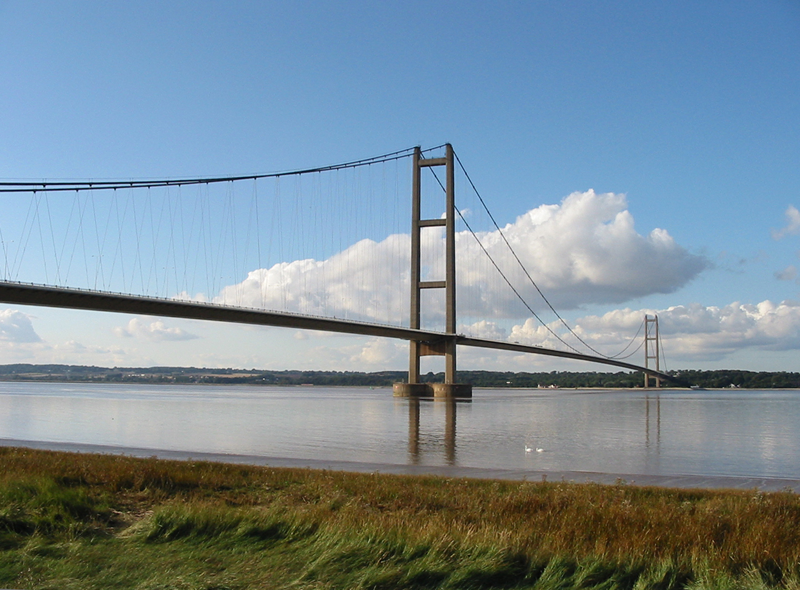
The Humber derby is an association football rivalry between Grimsby Town, Hull City, and Scunthorpe United. It is a geographical rivalry as all three clubs are based on the banks of the Humber Estuary, England. Hull is situated on the northern bank in the East Riding of Yorkshire, whilst Grimsby and Scunthorpe are both situated on the southern bank in Lincolnshire. Between 1 April 1974 and 31 March 1996, this entire area was a ceremonial county in its own right, known as Humberside.
The derby was first contested in a competitive fixture on 16 December 1905 when Hull City hosted Grimsby Town in the league, with the match ending 1–0 to Grimsby. As of the 2025–26 season, Hull compete in the EFL Championship, Grimsby compete in EFL League Two, and Scunthorpe compete in the National League after achieving promotion in May 2025.
Out of the three clubs, Grimsby were founded first in 1878 under the name 'Grimsby Pelham Football Club'. A year later, they dropped the Pelham name and became 'Grimsby Town'. They moved into their current stadium, Blundell Park, in 1898. The following year, Scunthorpe United were formed and began play at the Old Show Ground as a semi-professional side. In 1904, Hull City were founded and played at several home grounds before moving into their first permanent home, Anlaby Road, upon its opening in 1906.
It was whilst Hull were playing at temporary grounds that the first Humber derby was contested. On 16 December 1905, the Tigers hosted Grimsby in the Second Division and lost 1–0. By this time, Grimsby had been playing in the Football League since 1892. In their short history, the Mariners had been quite a successful team, winning the Second Division in 1901 and enjoying two consecutive seasons in the First Division before relegation. Hull had only just been admitted to the Football League, having joined at the start of the 1905–06 season. Scunthorpe were still a semi-professional club at this point. The Iron would soon merge with local rivals North Lindsey United in 1910 to become 'Scunthorpe & Lindsey United'. They eventually turned professional in 1912 when they joined the Midland League, which acted as a feeder division for the Football League.
For the next 30 years, Grimsby–Hull would be a semi-regular fixture in the Second Division, whilst Scunthorpe continued to remain outside the Football League. Hull were the dominant side before the First World War but Grimsby won the majority of fixtures in the late 1920s and early 1930s. Scunthorpe's first Humber derby came on 27 November 1937, when they travelled to Hull in the first round of the FA Cup. The visitors would succumb to a heavy defeat and lose 4–0. After their eventual admission to the Football League in 1950, Scunthorpe's first derby against Grimsby was on 25 December 1951 in the Third Division North. They lost 3–2 at Blundell Park. Uniquely, the reverse fixture was played the following day at the Old Show Ground, but again Scunthorpe lost, this time 3–1.
By the 1950s, all three sides had endured success to some extent. Grimsby had been the most successful, being crowned champions of the Second Division twice and champions of the Third Division North once. The Mariners also managed to reach the FA Cup semi-finals in both 1936 and 1939, but lost to Arsenal and Wolverhampton Wanderers respectively. Hull had been champions of the Third Division North in 1933 and 1949 but were still yet to reach the top flight. However, the Tigers did reach the FA Cup semi-finals in 1930, but coincidentally lost to Arsenal, much like Grimsby would six years later. Additionally, Hull had now moved into their second permanent home, Boothferry Park, doing so in 1946. Considering that Scunthorpe had only played in non-league up to this point, it is unsurprising that their biggest achievements at this time were their title winning seasons of 1926–27 and 1938–39 in the Midland League.
There were no Grimsby–Hull games from 1951 until 1960 due to the two sides fluctuating between the second and third tier, always managing to avoid each other when doing so. Instead, Grimsby–Scunthorpe games and Hull–Scunthorpe games were much more frequent. Scunthorpe won five consecutive fixtures against Grimsby between 1953 and 1956, including a 4–1 win away at Blundell Park on 24 August 1954. The Iron also prevailed more often than not against Hull, winning three times and drawing twice out of the six games the fixture was played in the 1950s. Scunthorpe were not only successful against their rivals during this time as they won the Third Division North in the 1957–58 season. Following promotion, the club decided to drop the '& Lindsey' from its name and returned to being called 'Scunthorpe United'.
The 1960s was when the Humber derby was most frequent between all three sides. Between 1960 and 1966, Grimsby–Hull was played eight times, all in the Third Division. Grimsby won five of these fixtures whilst Hull won just once as the Mariners continued to get the better of the Tigers in the derby. Grimsby–Scunthorpe was a similar story in the 1960s too. Between 1962 and 1969, there were 16 fixtures. Grimsby won eight compared to Scunthorpe's three. The highlight of this period for the Mariners came on 7 September 1966, when they thrashed the Iron 7–1 at Blundell Park. This remains the largest ever victory in the Humber derby. Hull–Scunthorpe was only played four times in the 1960s, with Hull's 3–2 victory at Boothferry Park on 21 August 1965 starting a seven-game unbeaten streak against the Iron which ran until 1984.
Hub AI
Humber derby AI simulator
(@Humber derby_simulator)
Humber derby
The Humber derby is an association football rivalry between Grimsby Town, Hull City, and Scunthorpe United. It is a geographical rivalry as all three clubs are based on the banks of the Humber Estuary, England. Hull is situated on the northern bank in the East Riding of Yorkshire, whilst Grimsby and Scunthorpe are both situated on the southern bank in Lincolnshire. Between 1 April 1974 and 31 March 1996, this entire area was a ceremonial county in its own right, known as Humberside.
The derby was first contested in a competitive fixture on 16 December 1905 when Hull City hosted Grimsby Town in the league, with the match ending 1–0 to Grimsby. As of the 2025–26 season, Hull compete in the EFL Championship, Grimsby compete in EFL League Two, and Scunthorpe compete in the National League after achieving promotion in May 2025.
Out of the three clubs, Grimsby were founded first in 1878 under the name 'Grimsby Pelham Football Club'. A year later, they dropped the Pelham name and became 'Grimsby Town'. They moved into their current stadium, Blundell Park, in 1898. The following year, Scunthorpe United were formed and began play at the Old Show Ground as a semi-professional side. In 1904, Hull City were founded and played at several home grounds before moving into their first permanent home, Anlaby Road, upon its opening in 1906.
It was whilst Hull were playing at temporary grounds that the first Humber derby was contested. On 16 December 1905, the Tigers hosted Grimsby in the Second Division and lost 1–0. By this time, Grimsby had been playing in the Football League since 1892. In their short history, the Mariners had been quite a successful team, winning the Second Division in 1901 and enjoying two consecutive seasons in the First Division before relegation. Hull had only just been admitted to the Football League, having joined at the start of the 1905–06 season. Scunthorpe were still a semi-professional club at this point. The Iron would soon merge with local rivals North Lindsey United in 1910 to become 'Scunthorpe & Lindsey United'. They eventually turned professional in 1912 when they joined the Midland League, which acted as a feeder division for the Football League.
For the next 30 years, Grimsby–Hull would be a semi-regular fixture in the Second Division, whilst Scunthorpe continued to remain outside the Football League. Hull were the dominant side before the First World War but Grimsby won the majority of fixtures in the late 1920s and early 1930s. Scunthorpe's first Humber derby came on 27 November 1937, when they travelled to Hull in the first round of the FA Cup. The visitors would succumb to a heavy defeat and lose 4–0. After their eventual admission to the Football League in 1950, Scunthorpe's first derby against Grimsby was on 25 December 1951 in the Third Division North. They lost 3–2 at Blundell Park. Uniquely, the reverse fixture was played the following day at the Old Show Ground, but again Scunthorpe lost, this time 3–1.
By the 1950s, all three sides had endured success to some extent. Grimsby had been the most successful, being crowned champions of the Second Division twice and champions of the Third Division North once. The Mariners also managed to reach the FA Cup semi-finals in both 1936 and 1939, but lost to Arsenal and Wolverhampton Wanderers respectively. Hull had been champions of the Third Division North in 1933 and 1949 but were still yet to reach the top flight. However, the Tigers did reach the FA Cup semi-finals in 1930, but coincidentally lost to Arsenal, much like Grimsby would six years later. Additionally, Hull had now moved into their second permanent home, Boothferry Park, doing so in 1946. Considering that Scunthorpe had only played in non-league up to this point, it is unsurprising that their biggest achievements at this time were their title winning seasons of 1926–27 and 1938–39 in the Midland League.
There were no Grimsby–Hull games from 1951 until 1960 due to the two sides fluctuating between the second and third tier, always managing to avoid each other when doing so. Instead, Grimsby–Scunthorpe games and Hull–Scunthorpe games were much more frequent. Scunthorpe won five consecutive fixtures against Grimsby between 1953 and 1956, including a 4–1 win away at Blundell Park on 24 August 1954. The Iron also prevailed more often than not against Hull, winning three times and drawing twice out of the six games the fixture was played in the 1950s. Scunthorpe were not only successful against their rivals during this time as they won the Third Division North in the 1957–58 season. Following promotion, the club decided to drop the '& Lindsey' from its name and returned to being called 'Scunthorpe United'.
The 1960s was when the Humber derby was most frequent between all three sides. Between 1960 and 1966, Grimsby–Hull was played eight times, all in the Third Division. Grimsby won five of these fixtures whilst Hull won just once as the Mariners continued to get the better of the Tigers in the derby. Grimsby–Scunthorpe was a similar story in the 1960s too. Between 1962 and 1969, there were 16 fixtures. Grimsby won eight compared to Scunthorpe's three. The highlight of this period for the Mariners came on 7 September 1966, when they thrashed the Iron 7–1 at Blundell Park. This remains the largest ever victory in the Humber derby. Hull–Scunthorpe was only played four times in the 1960s, with Hull's 3–2 victory at Boothferry Park on 21 August 1965 starting a seven-game unbeaten streak against the Iron which ran until 1984.
Recent media