
Recent from talks
Hurfeish
Knowledge base stats:
Talk channels stats:
Members stats:
Hurfeish
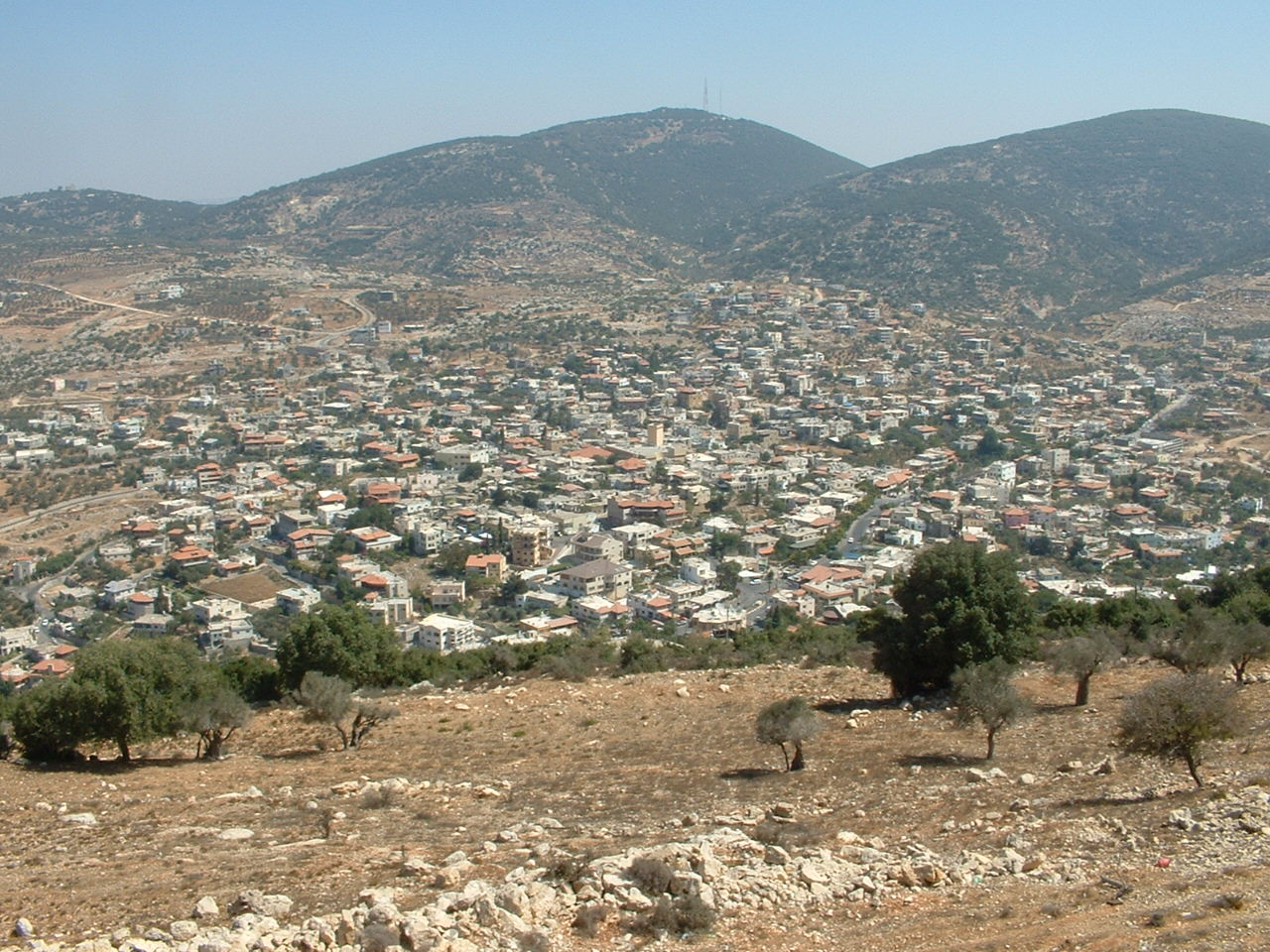
Hurfeish (Arabic: حرفيش; Hebrew: חֻרְפֵישׁ; lit. "milk thistle" or possibly from "snake" ) is a Druze town in the Northern District of Israel. In 2024 it had a population of 6,877.
The town is situated on an ancient site, where mosaics and Greek inscriptions have been excavated.
In the Crusader era, Hurfeish was known as Horfeis, Hourfex, Orpheis, or Orfeis. In 1183 it was part of an estate sold from Geoffrey le Tor to Count Jocelyn III. In 1220 Jocelyn III´s daughter Beatrix de Courtenay and her husband Otto von Botenlauben, Count of Henneberg, sold the estate to the Teutonic Knights. It was listed as still belonging to the Teutonic Knights in 1226.
In 1596 the village appeared under the name of Hurfays in the Ottoman tax registers as part of the nahiya (subdistrict) of Jira, part of Safad Sanjak. It had an all Muslim population, consisting of 41 households and 10 bachelors. They paid taxes on goats and beehives, in addition to occasional revenues; but the largest amount was a fixed tax of 6,000 akçe; the taxes totalled 6,930 akçe. All of the revenue went to a Waqf.
In 1838, Harfish was noted as a Christian and Druze village in the El Jebel district, located west of Safad.
In 1875 Victor Guérin noted an ancient church, used by the 50 Greek Christians in the village. In addition, Hurfeish had 300 Druze inhabitants. In 1881, the PEF's Survey of Western Palestine (SWP) described Hurfeish as "a village, built of stone, containing about 150 Christians, situated on a low ridge, with figs, olives, and arable land. There are few wells in the village, and four good springs on the south side."
A population list from about 1887 showed Hurfeish to have about 645 inhabitants; 115 Christians and 530 Muslims.
In the 1922 census of Palestine, conducted by the British Mandate authorities, Hurfeish had a total population of 412; 386 Druze and 26 Christians. The latter were all Melkites (Greek Catholic). The population increased in the 1931 census to 527; 18 Muslims, 35 Christians and 474 Druze, living in a total of 110 houses.
Hub AI
Hurfeish AI simulator
(@Hurfeish_simulator)
Hurfeish
Hurfeish (Arabic: حرفيش; Hebrew: חֻרְפֵישׁ; lit. "milk thistle" or possibly from "snake" ) is a Druze town in the Northern District of Israel. In 2024 it had a population of 6,877.
The town is situated on an ancient site, where mosaics and Greek inscriptions have been excavated.
In the Crusader era, Hurfeish was known as Horfeis, Hourfex, Orpheis, or Orfeis. In 1183 it was part of an estate sold from Geoffrey le Tor to Count Jocelyn III. In 1220 Jocelyn III´s daughter Beatrix de Courtenay and her husband Otto von Botenlauben, Count of Henneberg, sold the estate to the Teutonic Knights. It was listed as still belonging to the Teutonic Knights in 1226.
In 1596 the village appeared under the name of Hurfays in the Ottoman tax registers as part of the nahiya (subdistrict) of Jira, part of Safad Sanjak. It had an all Muslim population, consisting of 41 households and 10 bachelors. They paid taxes on goats and beehives, in addition to occasional revenues; but the largest amount was a fixed tax of 6,000 akçe; the taxes totalled 6,930 akçe. All of the revenue went to a Waqf.
In 1838, Harfish was noted as a Christian and Druze village in the El Jebel district, located west of Safad.
In 1875 Victor Guérin noted an ancient church, used by the 50 Greek Christians in the village. In addition, Hurfeish had 300 Druze inhabitants. In 1881, the PEF's Survey of Western Palestine (SWP) described Hurfeish as "a village, built of stone, containing about 150 Christians, situated on a low ridge, with figs, olives, and arable land. There are few wells in the village, and four good springs on the south side."
A population list from about 1887 showed Hurfeish to have about 645 inhabitants; 115 Christians and 530 Muslims.
In the 1922 census of Palestine, conducted by the British Mandate authorities, Hurfeish had a total population of 412; 386 Druze and 26 Christians. The latter were all Melkites (Greek Catholic). The population increased in the 1931 census to 527; 18 Muslims, 35 Christians and 474 Druze, living in a total of 110 houses.
Recent media