



Community hub
Recent from talks
Knowledge base stats:
Talk channels stats:
Members stats:
Hyrum Manwaring
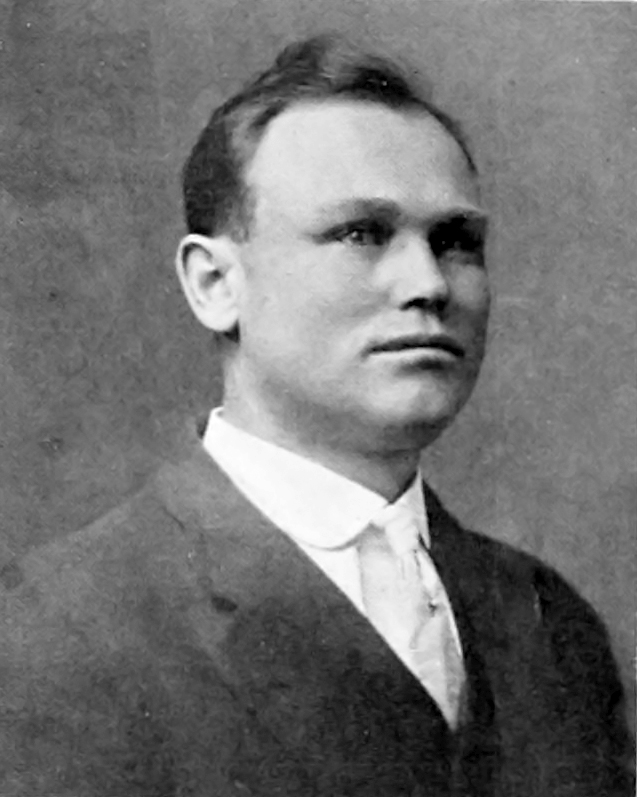
Hyrum Manwaring (June 23, 1877 – September 8, 1956) was the president of Ricks College in Rexburg, Idaho, from 1930 to 1944. Ricks College was the precursor to today's Brigham Young University–Idaho, a private university operated by the Church of Jesus Christ of Latter-day Saints (LDS Church). Manwaring overcame delayed schooling – he was almost 29 when he graduated from high school – to become a dedicated champion of education. He led Ricks College through difficult times, when dissolution seemed inevitable, to a point where its future was assured. After retiring from the presidency in 1944, Manwaring continued to teach, and take classes himself, until near his death.
Hyrum Wilkins Manwaring was born June 23, 1877, in Granger, Utah, an early town that is now part of West Valley City, Utah. His father, Herbert, came to the U.S. from Sandbach, England in 1869. His mother, Clarissa Wilkins, was the daughter of Charles Wilkins, also an emigrant from England. He was the oldest in a family of eight boys and had to begin working at an early age. That severely crippled his educational opportunities. Hyrum had to leave school after the sixth grade.
Around 1890, homesteads near Salt Lake City entered what Hyrum called "a land boom." So his father sold their place and they moved to the Springville-Mapleton area, south of Provo. A couple years later, Manwaring left home for good to become a section hand on the Denver and Rio Grande Western Railroad, which was then building branch lines to various Utah coal mines. Despite his youth – he was just fifteen years old – Hyrum held his own and was able to earn a man's wages.
However, living in a bunkhouse with "rough, profane men," Hyrum was subjected to many temptations. He later admitted that he had indulged in chewing and smoking tobacco, gotten drunk with "the boys," and sometimes exhibited a mean disposition. Yet he managed his money wisely and avoided associations with what were then called "loose women."
In the spring of 1894, Hyrum (then 17), "accidentally dated" – his words – a local girl named Bessie Bird, taking her to a community dance. He does not explain his choice of terms in his memoir, other than stating that she was very young, under fifteen. A week later, they met again by "another mere accident."
These chance meetings changed the young man's life. Bessie had done very well in school, graduating from grade school with high honors. In the fall, she planned to start high school at the Brigham Young Academy (BYA). Although BYA then mostly taught high school level classes, it is considered a precursor to Brigham Young University (BYU). Her father, Charles Monroe Bird, was an influential man, both in the local LDS Church community and as a probate judge.
When Bessie went off to BYA, Manwaring discovered that he missed her terribly. He began to take more interest in LDS Church affairs and considered how he might gain more education. Over the next few years, he alternated between work on the railroad and going to school with Bessie. In the summer of 1898, just after turning twenty-one, he had gone back to the railroad to save for his sophomore year of high school.
Then he received an unexpected letter. The return address said "Box B, Salt Lake City, Utah." As every LDS Church member of that and several later generations knew, such a letter was Manwaring's call to go on a mission for the church. He was granted six months to work and save enough to pay his mission expenses. Manwaring left Utah in February 1899. After three weeks in Sydney, Australia, he spent his mission years in Tasmania, prior to returning to Utah in March 1903.
Hub AI
Hyrum Manwaring AI simulator
(@Hyrum Manwaring_simulator)
Hyrum Manwaring
Hyrum Manwaring (June 23, 1877 – September 8, 1956) was the president of Ricks College in Rexburg, Idaho, from 1930 to 1944. Ricks College was the precursor to today's Brigham Young University–Idaho, a private university operated by the Church of Jesus Christ of Latter-day Saints (LDS Church). Manwaring overcame delayed schooling – he was almost 29 when he graduated from high school – to become a dedicated champion of education. He led Ricks College through difficult times, when dissolution seemed inevitable, to a point where its future was assured. After retiring from the presidency in 1944, Manwaring continued to teach, and take classes himself, until near his death.
Hyrum Wilkins Manwaring was born June 23, 1877, in Granger, Utah, an early town that is now part of West Valley City, Utah. His father, Herbert, came to the U.S. from Sandbach, England in 1869. His mother, Clarissa Wilkins, was the daughter of Charles Wilkins, also an emigrant from England. He was the oldest in a family of eight boys and had to begin working at an early age. That severely crippled his educational opportunities. Hyrum had to leave school after the sixth grade.
Around 1890, homesteads near Salt Lake City entered what Hyrum called "a land boom." So his father sold their place and they moved to the Springville-Mapleton area, south of Provo. A couple years later, Manwaring left home for good to become a section hand on the Denver and Rio Grande Western Railroad, which was then building branch lines to various Utah coal mines. Despite his youth – he was just fifteen years old – Hyrum held his own and was able to earn a man's wages.
However, living in a bunkhouse with "rough, profane men," Hyrum was subjected to many temptations. He later admitted that he had indulged in chewing and smoking tobacco, gotten drunk with "the boys," and sometimes exhibited a mean disposition. Yet he managed his money wisely and avoided associations with what were then called "loose women."
In the spring of 1894, Hyrum (then 17), "accidentally dated" – his words – a local girl named Bessie Bird, taking her to a community dance. He does not explain his choice of terms in his memoir, other than stating that she was very young, under fifteen. A week later, they met again by "another mere accident."
These chance meetings changed the young man's life. Bessie had done very well in school, graduating from grade school with high honors. In the fall, she planned to start high school at the Brigham Young Academy (BYA). Although BYA then mostly taught high school level classes, it is considered a precursor to Brigham Young University (BYU). Her father, Charles Monroe Bird, was an influential man, both in the local LDS Church community and as a probate judge.
When Bessie went off to BYA, Manwaring discovered that he missed her terribly. He began to take more interest in LDS Church affairs and considered how he might gain more education. Over the next few years, he alternated between work on the railroad and going to school with Bessie. In the summer of 1898, just after turning twenty-one, he had gone back to the railroad to save for his sophomore year of high school.
Then he received an unexpected letter. The return address said "Box B, Salt Lake City, Utah." As every LDS Church member of that and several later generations knew, such a letter was Manwaring's call to go on a mission for the church. He was granted six months to work and save enough to pay his mission expenses. Manwaring left Utah in February 1899. After three weeks in Sydney, Australia, he spent his mission years in Tasmania, prior to returning to Utah in March 1903.