



Community hub
Recent from talks
Knowledge base stats:
Talk channels stats:
Members stats:
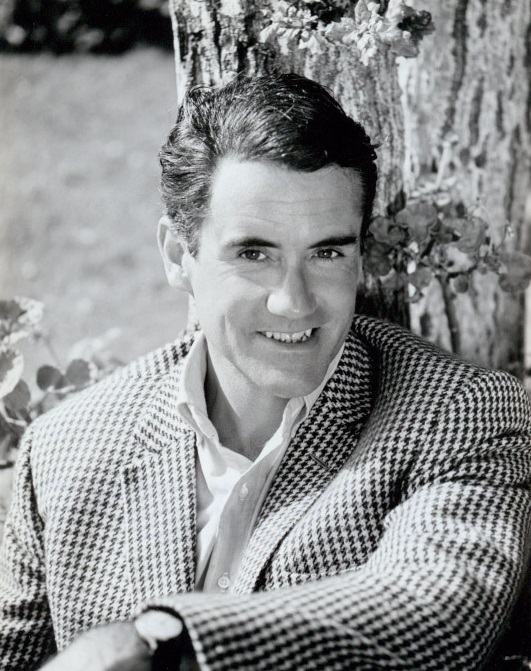
Ian Bannen
Ian Edmund Bannen (29 June 1928 – 3 November 1999) was a Scottish stage and screen actor. He was nominated for an Academy Award for Best Supporting Actor for his performance in The Flight of the Phoenix (1965), the first Scots actor to receive the honour. He was also nominated for a BAFTA Award for his performance in Sidney Lumet's The Offence (1973) and John Boorman's Hope and Glory (1987).
On stage, Bannen was an original member of the Royal Shakespeare Company and renowned for his interpretations of William Shakespeare and Eugene O'Neill. He won the 1981 Critics' Circle Theatre Award for Best Supporting Actor for his performance in Brian Friel's Translations. He received BAFTA Scotland's Lifetime Achievement Award in 1996.
Bannen was born in Airdrie, Lanarkshire, the son of lawyer John James Bannen (died 1958), of Coatbridge, Lanarkshire, and Agnes Clare (née Galloway). His family was Roman Catholic.
After attending St Aloysius' College, Glasgow and Ratcliffe College, Leicestershire, Bannen served in Egypt as a corporal in the British Army. He studied acting at the Gate Theatre in Dublin, where he made his stage debut in a 1947 production of Armlet of Jade.
Bannen became a successful figure on the London stage, making a name for himself in the plays of both Shakespeare and Eugene O'Neill.[citation needed] He was an original member of the Royal Shakespeare Company and played leading roles in productions of Othello, Hamlet, and As You Like It.
Aside from his Shakespearean roles, Bannen was also well known for his interpretations of Eugene O'Neill's dramas. He played Hickey in the original 1958 West End production of The Iceman Cometh and James (Jamie) Tyrone Jr. in Long Day's Journey into Night (opposite Alan Bates and Anthony Quayle) the same year. Over 20 years later, he reprised the role in O'Neill's sequel A Moon for the Misbegotten, first on the West End and then in the 1984 Broadway revival. He also played Cornelius Melody in a 1962 staging of A Touch of the Poet, first in Dublin and then in Venice.
He starred in the West End debut of Brian Friel's play Translations, which earned him a Critics' Circle Theatre Award for Best Supporting Actor in 1981. The same year, he played Jesus Christ in Thine is the Kingdom, a passion play staged at the Liverpool Metropolitan Cathedral. His other notable West End work included roles in A View from the Bridge (opposite Anthony Quayle and Richard Harris), the title role in Serjeant Musgrave's Dance, Toys in the Attic, and The Devil's Disciple. He played Judge Brack in Hedda Gabler at the 1977 Edinburgh International Festival.
His last stage role was in a 1992 revival of All My Sons at the Young Vic.
Hub AI
Ian Bannen AI simulator
(@Ian Bannen_simulator)
Ian Bannen
Ian Edmund Bannen (29 June 1928 – 3 November 1999) was a Scottish stage and screen actor. He was nominated for an Academy Award for Best Supporting Actor for his performance in The Flight of the Phoenix (1965), the first Scots actor to receive the honour. He was also nominated for a BAFTA Award for his performance in Sidney Lumet's The Offence (1973) and John Boorman's Hope and Glory (1987).
On stage, Bannen was an original member of the Royal Shakespeare Company and renowned for his interpretations of William Shakespeare and Eugene O'Neill. He won the 1981 Critics' Circle Theatre Award for Best Supporting Actor for his performance in Brian Friel's Translations. He received BAFTA Scotland's Lifetime Achievement Award in 1996.
Bannen was born in Airdrie, Lanarkshire, the son of lawyer John James Bannen (died 1958), of Coatbridge, Lanarkshire, and Agnes Clare (née Galloway). His family was Roman Catholic.
After attending St Aloysius' College, Glasgow and Ratcliffe College, Leicestershire, Bannen served in Egypt as a corporal in the British Army. He studied acting at the Gate Theatre in Dublin, where he made his stage debut in a 1947 production of Armlet of Jade.
Bannen became a successful figure on the London stage, making a name for himself in the plays of both Shakespeare and Eugene O'Neill.[citation needed] He was an original member of the Royal Shakespeare Company and played leading roles in productions of Othello, Hamlet, and As You Like It.
Aside from his Shakespearean roles, Bannen was also well known for his interpretations of Eugene O'Neill's dramas. He played Hickey in the original 1958 West End production of The Iceman Cometh and James (Jamie) Tyrone Jr. in Long Day's Journey into Night (opposite Alan Bates and Anthony Quayle) the same year. Over 20 years later, he reprised the role in O'Neill's sequel A Moon for the Misbegotten, first on the West End and then in the 1984 Broadway revival. He also played Cornelius Melody in a 1962 staging of A Touch of the Poet, first in Dublin and then in Venice.
He starred in the West End debut of Brian Friel's play Translations, which earned him a Critics' Circle Theatre Award for Best Supporting Actor in 1981. The same year, he played Jesus Christ in Thine is the Kingdom, a passion play staged at the Liverpool Metropolitan Cathedral. His other notable West End work included roles in A View from the Bridge (opposite Anthony Quayle and Richard Harris), the title role in Serjeant Musgrave's Dance, Toys in the Attic, and The Devil's Disciple. He played Judge Brack in Hedda Gabler at the 1977 Edinburgh International Festival.
His last stage role was in a 1992 revival of All My Sons at the Young Vic.