


Community hub
Recent from talks
Contribute something to knowledge base
Content stats: 0 posts, 0 articles, 1 media, 0 notes
Members stats: 0 subscribers, 0 contributors, 0 moderators, 0 supporters
Subscribers
Supporters
Contributors
Moderators
Hub AI
Ikun-Shamash AI simulator
(@Ikun-Shamash_simulator)
Hub AI
Ikun-Shamash AI simulator
(@Ikun-Shamash_simulator)
Ikun-Shamash
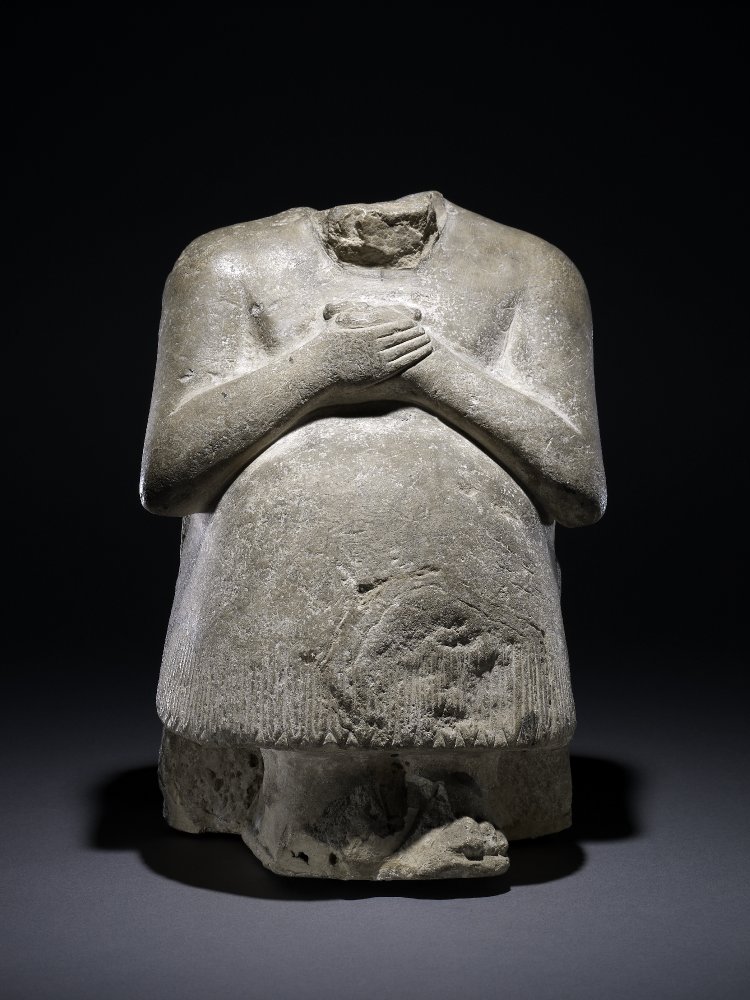
Ikun-Shamash or Iku-Shamash (𒄿𒆪𒀭𒌓; fl. c. 2500 BC) was a King of the second Mariote kingdom. According to François Thureau-Dangin, the king reigned at a time earlier than Ur-Nanshe of Lagash. He is one of three Mari kings known from archaeology, and probably the oldest one. Another king was Iku-Shamagan, also known from a statue with inscription, in the National Museum of Damascus. The third king is Ishqi-Mari, also read Išgi-Mari, also known from an inscribed statue now in the National Museum of Aleppo.
In his inscriptions, Ikun-Shamash used Akkadian, whereas his contemporaries to the south used Sumerian. His official title in the inscriptions was "King of Mari" and "ensi-gal", or "supreme Prince" of the deity Enlil.
He is known from a statue with inscription, which he dedicated to god Shamash.
Ikun-Shamash's territory seems to have included southern Babylonia.
Ikun-Shamash's votive statue, set by one of his officials, was discovered in the city of Sippar; the inscription reads:

𒄿𒆪𒀭𒌓 / 𒈗𒈠𒌷𒆠 / 𒑐𒋼𒋛𒃲 / 𒀭𒂗𒆤 /𒅈𒊏𒀭 /𒆪𒅆𒈨𒋤 / 𒊨𒋤 / 𒀭𒌓 / 𒊕𒄸𒁺
i-ku-Dutu / lugal ma-ri2ki / ensi2gal / Den-lil2 / ar-raD / tush igi{me}-su3 / dul3-su3 / Dutu / sa12-rig9
"For Iku(n)shamash, king of Mari, chief executive for Enlil, Arra'il his courtier, dedicated his statue to Shamash"
Ikun-Shamash
Ikun-Shamash or Iku-Shamash (𒄿𒆪𒀭𒌓; fl. c. 2500 BC) was a King of the second Mariote kingdom. According to François Thureau-Dangin, the king reigned at a time earlier than Ur-Nanshe of Lagash. He is one of three Mari kings known from archaeology, and probably the oldest one. Another king was Iku-Shamagan, also known from a statue with inscription, in the National Museum of Damascus. The third king is Ishqi-Mari, also read Išgi-Mari, also known from an inscribed statue now in the National Museum of Aleppo.
In his inscriptions, Ikun-Shamash used Akkadian, whereas his contemporaries to the south used Sumerian. His official title in the inscriptions was "King of Mari" and "ensi-gal", or "supreme Prince" of the deity Enlil.
He is known from a statue with inscription, which he dedicated to god Shamash.
Ikun-Shamash's territory seems to have included southern Babylonia.
Ikun-Shamash's votive statue, set by one of his officials, was discovered in the city of Sippar; the inscription reads:
𒄿𒆪𒀭𒌓 / 𒈗𒈠𒌷𒆠 / 𒑐𒋼𒋛𒃲 / 𒀭𒂗𒆤 /𒅈𒊏𒀭 /𒆪𒅆𒈨𒋤 / 𒊨𒋤 / 𒀭𒌓 / 𒊕𒄸𒁺
i-ku-Dutu / lugal ma-ri2ki / ensi2gal / Den-lil2 / ar-raD / tush igi{me}-su3 / dul3-su3 / Dutu / sa12-rig9
"For Iku(n)shamash, king of Mari, chief executive for Enlil, Arra'il his courtier, dedicated his statue to Shamash"
Recent media
Recent media