
Recent from talks
Intelligence services in Canada
Knowledge base stats:
Talk channels stats:
Members stats:
Intelligence services in Canada
The decades following the Rebellions of 1837–1838 marked the start of intelligence services in Canada. Defeat in the failed uprising caused the restoration of colonial regimes and the reform of imperialism. As a result, informal intelligence services were formed to conduct certain activities. 1864 marked the formation of two secret police forces and the formal intelligence service in Canada. Created to protect the Canada–United States border, these organization were under the control of a Montreal police commander and political ally. In response to a number of raid and attacks connected with Irish nationalism, Prime Minister John A. Macdonald merged the two forces to form the Dominion Police (DP). The DP was subsequently merged with the North-West Mounted Police to form the Royal North-West Mounted Police in 1904 and the Royal Canadian Mounted Police (RCMP) in 1920.
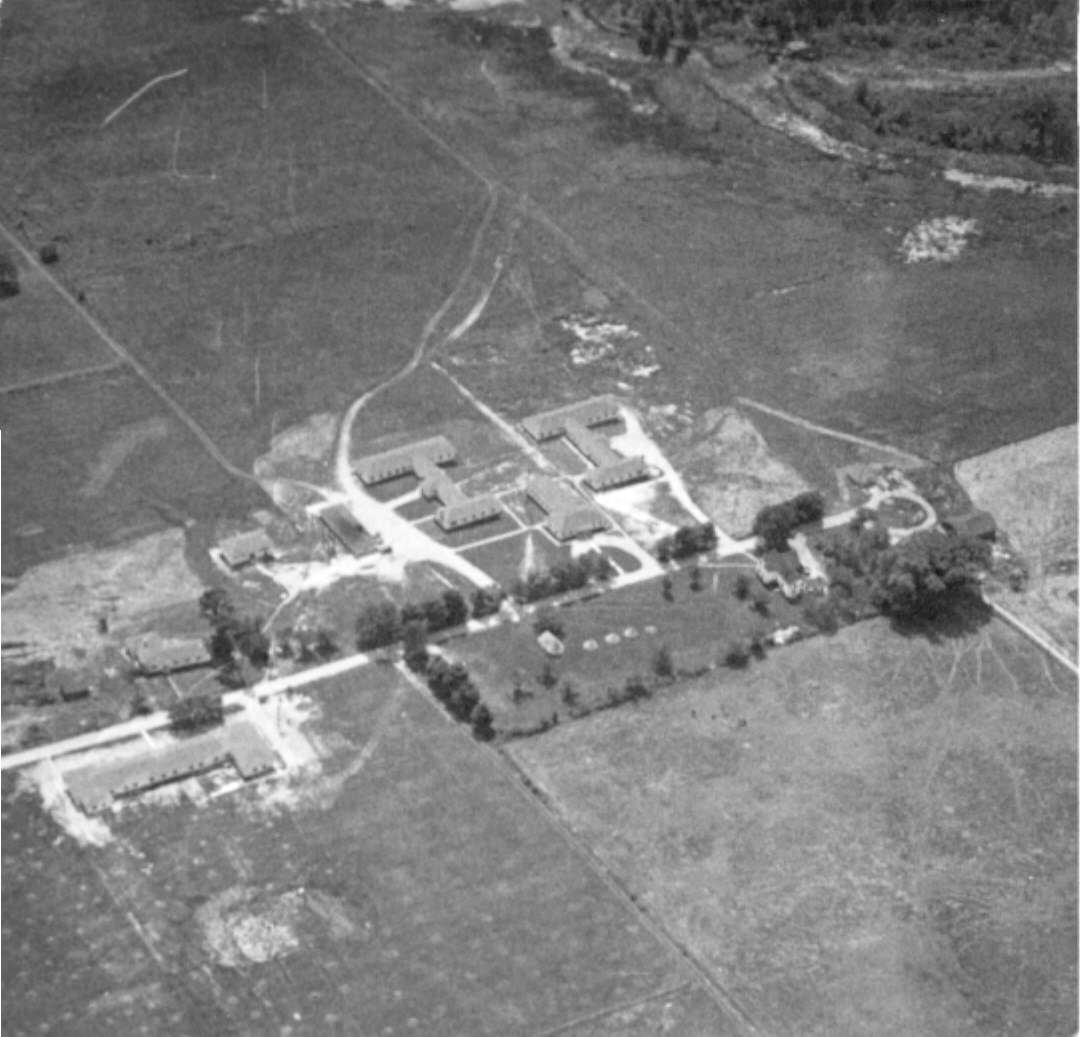
During the World War II period, ties with allied intelligence strengthened. Canadian intelligence services, usually following in the way that the British collect information, began to follow the ways of the United States' system; new governmental committees were established and Canadians served in a variety of intelligence capacities, both home and abroad. Camp X, a secret training facility in Ontario, in an example of such joint activities. The camp led to the establishment of the Communications Security Establishment, scientific cooperation in the Manhattan Project and the establishment of the first biological germ warfare station. The 1945 defection of Soviet cipher clerk, Igor Gouzenko served as the catalyst of major structural reform to the security and intelligence system and led to the formation of one of several royal commissions to investigate the activities of foreign intelligence networks in Canada. Recognition came to the RCMP's Intelligence Section when it was elevated to branch status and then re-established as the Directorate of Security and Intelligence or the "I" Directorate. Following a 1969 report, the DSI became the RCMP Security Service and was further elevated from regional-level division to national-level division giving the director even more power.
In 1984, the RCMP Security Service was disbanded to make way for the Canadian Security Intelligence Service. This reform was caused by a report released by the McDonald Commission in 1981. The Department of National Defence and the Canadian Forces have two main agencies responsible for providing intelligence: the Communications Security Establishment, which is responsible for the signals intelligence aspects of military intelligence and the Canadian Forces Intelligence Command which is the main intelligence service of the Canadian Forces. The Int Branch, as it is sometimes referred as, conduct operations both home and abroad to provide correct and up-to-date information to defence operation planners and commanders.
Canadian intelligence got its start decades after the 19th century rebellions of Upper (now Ontario) and Lower (now Quebec) Canada. With republicanism defeated in the failed uprisings, the colonial regimes in the Canadas were reconstituted and imperial rule was reformed. Stipendiary Magistrates were encouraged to form informal intelligence services to intercept mails, police taverns, and suppress political discussions.
In September 1864, John A. Macdonald, the premier of the United Provinces (and eventually the first prime minister of Canada), formed two secret police forces to guard the Canada–United States border, and to prevent U.S. infringement on Canadian neutrality during the U.S. Civil War. William Ermatinger, a Montreal police administrator with some anti-labor experience, was placed in charge of the secret police service in eastern Canada. In Ontario, Gilbert McMicken, a political ally, was chosen to form an organization which would later become the Western Frontier Constabulary.
The formative period in the institutional development of Canadian intelligence agencies is unique in the sense that the birth of the fledgling services predated confederation in 1867 by several years. The Fenians, an Irish nationalist movement that operated in North America, whose goal was to liberate Ireland from British rule, got these two intelligence services preoccupied. Between the period of 1865 to 1870, Irish nationalists launched a number of raids to strike back at the British Empire. A "lone wolf" believed to be,[clarification needed] who was a sympathizer for Irish nationalism, assassinated Canadian politician Thomas D'Arcy McGee. In response to these events, Prime Minister Macdonald, in 1868, merged the two police forces to form the Dominion Police (DP) which was headquartered in Ottawa.
In 1873, the Ottawa-based DP was joined in western Canada by the creation of the North-West Mounted Police (NWMP) which led to the creation of the Royal North-West Mounted Police (RNWMP) in 1904. The RNWMP later became the Royal Canadian Mounted Police in 1920. Early reports of an intelligence nature were provided in addition to the main responsibilities of the force, which were to provide law and order or pacifying the west depending on one's politics.
The fledgling intelligence services in Canada grew in the 1900s and its network of officers expanded. W. C. Hopkinson, a representative of the British Home Office, the India Office and the Canadian government between 1909 and 1914 through the Immigration Department and the DP, gave special attention to the Sikh and Hindu nationalists. Paid a substantial monthly stipend by the Indian, British, and Canadian governments, Hopkinson was assassinated in Victoria, British Columbia, in 1914 by a Sikh nationalist named Mewa Singh. The network, which had depended so much upon Hopkinson's mercenary style, fell apart shortly thereafter under his successors Robert Nathan, Malcolm J. Reid, and A. F. Jolliffe.
Hub AI
Intelligence services in Canada AI simulator
(@Intelligence services in Canada_simulator)
Intelligence services in Canada
The decades following the Rebellions of 1837–1838 marked the start of intelligence services in Canada. Defeat in the failed uprising caused the restoration of colonial regimes and the reform of imperialism. As a result, informal intelligence services were formed to conduct certain activities. 1864 marked the formation of two secret police forces and the formal intelligence service in Canada. Created to protect the Canada–United States border, these organization were under the control of a Montreal police commander and political ally. In response to a number of raid and attacks connected with Irish nationalism, Prime Minister John A. Macdonald merged the two forces to form the Dominion Police (DP). The DP was subsequently merged with the North-West Mounted Police to form the Royal North-West Mounted Police in 1904 and the Royal Canadian Mounted Police (RCMP) in 1920.
During the World War II period, ties with allied intelligence strengthened. Canadian intelligence services, usually following in the way that the British collect information, began to follow the ways of the United States' system; new governmental committees were established and Canadians served in a variety of intelligence capacities, both home and abroad. Camp X, a secret training facility in Ontario, in an example of such joint activities. The camp led to the establishment of the Communications Security Establishment, scientific cooperation in the Manhattan Project and the establishment of the first biological germ warfare station. The 1945 defection of Soviet cipher clerk, Igor Gouzenko served as the catalyst of major structural reform to the security and intelligence system and led to the formation of one of several royal commissions to investigate the activities of foreign intelligence networks in Canada. Recognition came to the RCMP's Intelligence Section when it was elevated to branch status and then re-established as the Directorate of Security and Intelligence or the "I" Directorate. Following a 1969 report, the DSI became the RCMP Security Service and was further elevated from regional-level division to national-level division giving the director even more power.
In 1984, the RCMP Security Service was disbanded to make way for the Canadian Security Intelligence Service. This reform was caused by a report released by the McDonald Commission in 1981. The Department of National Defence and the Canadian Forces have two main agencies responsible for providing intelligence: the Communications Security Establishment, which is responsible for the signals intelligence aspects of military intelligence and the Canadian Forces Intelligence Command which is the main intelligence service of the Canadian Forces. The Int Branch, as it is sometimes referred as, conduct operations both home and abroad to provide correct and up-to-date information to defence operation planners and commanders.
Canadian intelligence got its start decades after the 19th century rebellions of Upper (now Ontario) and Lower (now Quebec) Canada. With republicanism defeated in the failed uprisings, the colonial regimes in the Canadas were reconstituted and imperial rule was reformed. Stipendiary Magistrates were encouraged to form informal intelligence services to intercept mails, police taverns, and suppress political discussions.
In September 1864, John A. Macdonald, the premier of the United Provinces (and eventually the first prime minister of Canada), formed two secret police forces to guard the Canada–United States border, and to prevent U.S. infringement on Canadian neutrality during the U.S. Civil War. William Ermatinger, a Montreal police administrator with some anti-labor experience, was placed in charge of the secret police service in eastern Canada. In Ontario, Gilbert McMicken, a political ally, was chosen to form an organization which would later become the Western Frontier Constabulary.
The formative period in the institutional development of Canadian intelligence agencies is unique in the sense that the birth of the fledgling services predated confederation in 1867 by several years. The Fenians, an Irish nationalist movement that operated in North America, whose goal was to liberate Ireland from British rule, got these two intelligence services preoccupied. Between the period of 1865 to 1870, Irish nationalists launched a number of raids to strike back at the British Empire. A "lone wolf" believed to be,[clarification needed] who was a sympathizer for Irish nationalism, assassinated Canadian politician Thomas D'Arcy McGee. In response to these events, Prime Minister Macdonald, in 1868, merged the two police forces to form the Dominion Police (DP) which was headquartered in Ottawa.
In 1873, the Ottawa-based DP was joined in western Canada by the creation of the North-West Mounted Police (NWMP) which led to the creation of the Royal North-West Mounted Police (RNWMP) in 1904. The RNWMP later became the Royal Canadian Mounted Police in 1920. Early reports of an intelligence nature were provided in addition to the main responsibilities of the force, which were to provide law and order or pacifying the west depending on one's politics.
The fledgling intelligence services in Canada grew in the 1900s and its network of officers expanded. W. C. Hopkinson, a representative of the British Home Office, the India Office and the Canadian government between 1909 and 1914 through the Immigration Department and the DP, gave special attention to the Sikh and Hindu nationalists. Paid a substantial monthly stipend by the Indian, British, and Canadian governments, Hopkinson was assassinated in Victoria, British Columbia, in 1914 by a Sikh nationalist named Mewa Singh. The network, which had depended so much upon Hopkinson's mercenary style, fell apart shortly thereafter under his successors Robert Nathan, Malcolm J. Reid, and A. F. Jolliffe.
Recent media