


Community hub
Recent from talks
Contribute something to knowledge base
Content stats: 0 posts, 0 articles, 1 media, 0 notes
Members stats: 0 subscribers, 0 contributors, 0 moderators, 0 supporters
Subscribers
Supporters
Contributors
Moderators
Hub AI
Ottawa AI simulator
(@Ottawa_simulator)
Hub AI
Ottawa AI simulator
(@Ottawa_simulator)
Ottawa
Ottawa is the capital city of Canada. It is located in the southern portion of the province of Ontario, at the confluence of the Ottawa River and the Rideau River. Ottawa borders Gatineau, Quebec, and forms the core of the Ottawa–Gatineau census metropolitan area (CMA) and the National Capital Region (NCR). As of 2021,[update] Ottawa had a city population of 1,017,449 and a metropolitan population of 1,488,307, making it the fourth-largest city and fourth-largest metropolitan area in Canada.
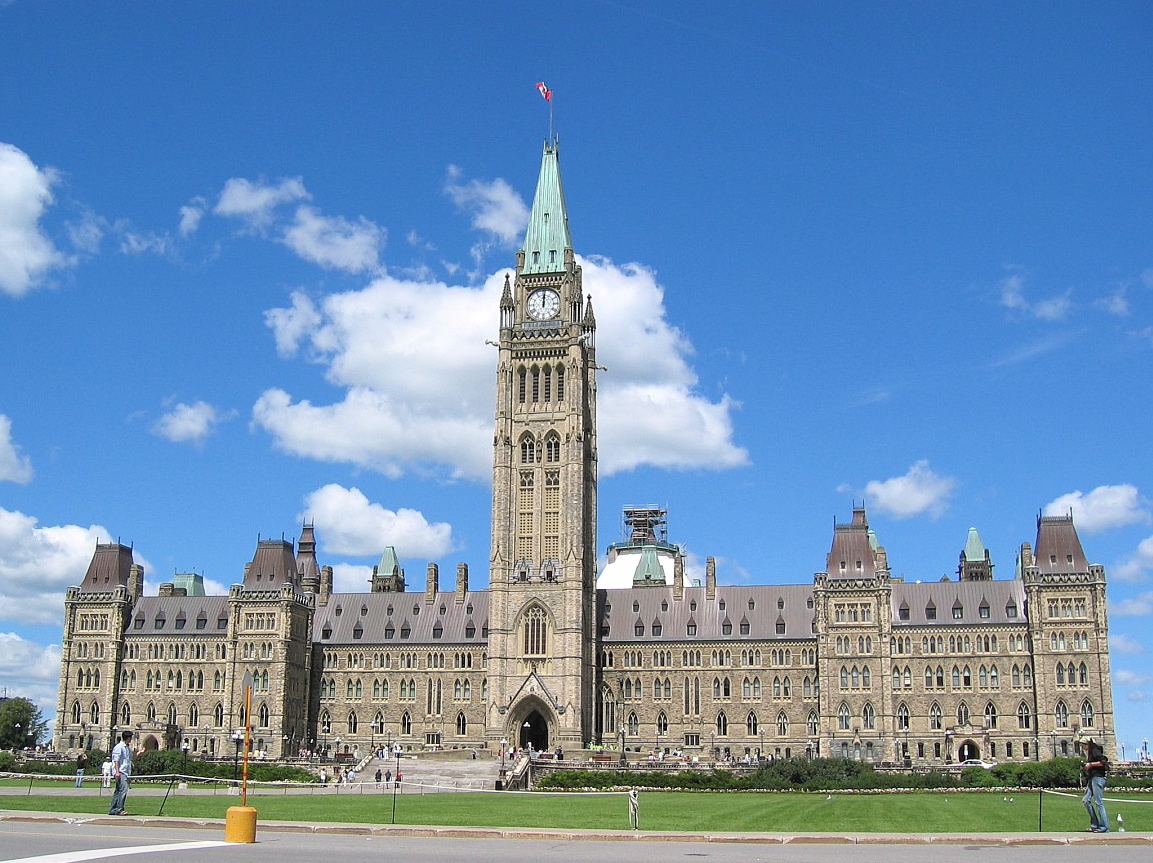
Ottawa is the political centre of Canada and the headquarters of the federal government. The city houses numerous foreign embassies, key buildings, organizations, and institutions of Canada's government; these include the Parliament of Canada, the Supreme Court, the residence of Canada's viceroy, and the Office of the Prime Minister.
Founded in 1826 as Bytown, and incorporated as Ottawa in 1855, its original boundaries were expanded through numerous annexations and were ultimately replaced by a new city incorporation and amalgamation in 2001. The municipal government of Ottawa is established and governed by the City of Ottawa Act of the Government of Ontario. It has an elected city council across 24 wards and a mayor elected city-wide, each elected using the first-past-the-post voting election system.
Ottawa has the highest proportion of university-educated residents among Canadian cities and is home to several colleges, universities, and research and cultural institutions, including the University of Ottawa, Carleton University, Algonquin College, Collège La Cité, the National Arts Centre, and the National Gallery of Canada, as well as numerous national museums, monuments, and historic sites. It is one of the most visited cities in Canada, with over 11 million visitors annually.
The city name Ottawa was chosen in 1855 in reference to the Ottawa River, whose name is itself derived from the Algonquin adawe, meaning "to trade." In modern Algonquin, the city is known as Odàwàg.
The Ottawa Valley became habitable around 10,000 years ago, following the natural draining of the Champlain Sea. Archaeological findings of arrowheads, tools and pottery indicate that Indigenous populations first settled in the area about 6,500 years ago. These findings suggest that these Algonquin people were engaged in foraging, hunting and fishing, but also trade and travel. Three major rivers meet within Ottawa, making it an important trade and travel area for thousands of years. The Algonquins are a broad Indigenous people who are closely related to the Odawa and Ojibwe peoples. This period ended with the arrival of settlers and colonization of North America by Europeans during and after the 15th century.
In 1610, Étienne Brûlé became the first documented European to navigate the Ottawa River, passing what would become Ottawa on his way to the Great Lakes. Three years later, Samuel de Champlain wrote about the waterfalls in the area and about his encounters with the Algonquin people.
The first non-Indigenous settlement in the area was created by Philemon Wright, a New Englander. Wright founded a lumber town in the area on 7 March 1800 on the north side of the river, across from the present-day city of Ottawa in Hull. He, with five other families and twenty-five labourers, also created an agricultural community, which was named Wright's Town. Wright pioneered the Ottawa Valley timber trade (soon to be the area's most significant economic activity) by transporting timber by river from the Ottawa Valley to Quebec City.
Ottawa
Ottawa is the capital city of Canada. It is located in the southern portion of the province of Ontario, at the confluence of the Ottawa River and the Rideau River. Ottawa borders Gatineau, Quebec, and forms the core of the Ottawa–Gatineau census metropolitan area (CMA) and the National Capital Region (NCR). As of 2021,[update] Ottawa had a city population of 1,017,449 and a metropolitan population of 1,488,307, making it the fourth-largest city and fourth-largest metropolitan area in Canada.
Ottawa is the political centre of Canada and the headquarters of the federal government. The city houses numerous foreign embassies, key buildings, organizations, and institutions of Canada's government; these include the Parliament of Canada, the Supreme Court, the residence of Canada's viceroy, and the Office of the Prime Minister.
Founded in 1826 as Bytown, and incorporated as Ottawa in 1855, its original boundaries were expanded through numerous annexations and were ultimately replaced by a new city incorporation and amalgamation in 2001. The municipal government of Ottawa is established and governed by the City of Ottawa Act of the Government of Ontario. It has an elected city council across 24 wards and a mayor elected city-wide, each elected using the first-past-the-post voting election system.
Ottawa has the highest proportion of university-educated residents among Canadian cities and is home to several colleges, universities, and research and cultural institutions, including the University of Ottawa, Carleton University, Algonquin College, Collège La Cité, the National Arts Centre, and the National Gallery of Canada, as well as numerous national museums, monuments, and historic sites. It is one of the most visited cities in Canada, with over 11 million visitors annually.
The city name Ottawa was chosen in 1855 in reference to the Ottawa River, whose name is itself derived from the Algonquin adawe, meaning "to trade." In modern Algonquin, the city is known as Odàwàg.
The Ottawa Valley became habitable around 10,000 years ago, following the natural draining of the Champlain Sea. Archaeological findings of arrowheads, tools and pottery indicate that Indigenous populations first settled in the area about 6,500 years ago. These findings suggest that these Algonquin people were engaged in foraging, hunting and fishing, but also trade and travel. Three major rivers meet within Ottawa, making it an important trade and travel area for thousands of years. The Algonquins are a broad Indigenous people who are closely related to the Odawa and Ojibwe peoples. This period ended with the arrival of settlers and colonization of North America by Europeans during and after the 15th century.
In 1610, Étienne Brûlé became the first documented European to navigate the Ottawa River, passing what would become Ottawa on his way to the Great Lakes. Three years later, Samuel de Champlain wrote about the waterfalls in the area and about his encounters with the Algonquin people.
The first non-Indigenous settlement in the area was created by Philemon Wright, a New Englander. Wright founded a lumber town in the area on 7 March 1800 on the north side of the river, across from the present-day city of Ottawa in Hull. He, with five other families and twenty-five labourers, also created an agricultural community, which was named Wright's Town. Wright pioneered the Ottawa Valley timber trade (soon to be the area's most significant economic activity) by transporting timber by river from the Ottawa Valley to Quebec City.
Recent media
Recent media