
Recent from talks
Intraosseous infusion
Knowledge base stats:
Talk channels stats:
Members stats:
Intraosseous infusion
Intraosseous infusion (IO) is the process of injecting medication, fluids, or blood products directly into the bone marrow; this provides a non-collapsible entry point into the systemic venous system. The intraosseous infusion technique is used to provide fluids and medication when intravenous access is not available or not feasible. Intraosseous infusions allow for the administered medications and fluids to go directly into the vascular system. The IO route of fluid and medication administration is an alternative to the preferred intravascular route when the latter cannot be established promptly in emergency situations. Intraosseous infusions are used when people have compromised intravenous access and need immediate delivery of life-saving fluids and medications.
The use of the IV route to administer fluids has been around since the 1830s, and, in 1922, Cecil K. Drinker et al. saw that bone, specifically the sternum, could also be used as a route of administration for emergency purposes. To continue the expansion of knowledge regarding IO administration, a successful blood transfusion took place in 1940 using the sternum, and afterward, in 1941, Tocantins and O'Neill demonstrated successful vascular access using the bone marrow cavity of a long bone in rabbits. Because of Tocantins and O'Neill's success in their experiments with rabbits, human clinical trials were established using mainly the body of the sternum or the manubrium for access. Emanuel Papper and others then continued to advocate, research, and make advances on behalf of the IO administration. Once Papper showed that the bone marrow space could be used with comparable success to administer IV fluids and drugs, intraosseous infusion was popularized during World War II to prevent soldiers' deaths via hemorrhagic shock. While popular in the field during WWII, the use of IO was not seen as a standard for emergencies until the 1980s, and only so for children. With the rise of technology allowing the ease of technique of IO, and a lower risk of complications like bloodstream infections than when using peripheral access, the alternative of IO access has increased throughout the years for adults, as well. IO is now recommended in Advanced Cardiac and Pediatric Advanced Life Support treatment protocols, in cases where access via IV cannot be established on time.
Intraosseous access is indicated in emergency situations, such as when a person experiences some type of major trauma like shock, cardiac arrest, severe dehydration, or severe gastrointestinal hemorrhage. IO access can provide the quickest way to rapidly infuse needed medications and fluids in an emergency situation. In people who experience critical trauma and who do not have adequate blood pressure, the IO route doubles the success rate of the peripheral IV route.[citation needed]
In addition to the emergency clinical scenario that can call for an IO route to be used, IO access is only indicated when access to peripheral veins is either not possible or delayed. When IV access is either not possible or delayed, other indications for utilizing the IO route include administering contrast if needed for radiology scans and drawing blood for laboratory testing and analysis. Situations that can result in decreased or delayed access to peripheral veins, and thus necessitate the use of an IO route to infuse medications and fluids include circumstances such as burns, fluid accumulation (edema), past IV drug use, obesity, and very low blood pressure.
An IO infusion can be used on adult or pediatric populations when traditional methods of vascular access are difficult or otherwise cause unwanted delayed management of the administration of medications. The IO site can be used for 24 hours and should be removed as soon as intravenous access has been gained. Prolonged use of an IO site, lasting longer than 24 hours, is associated with osteomyelitis (an infection in the bone).
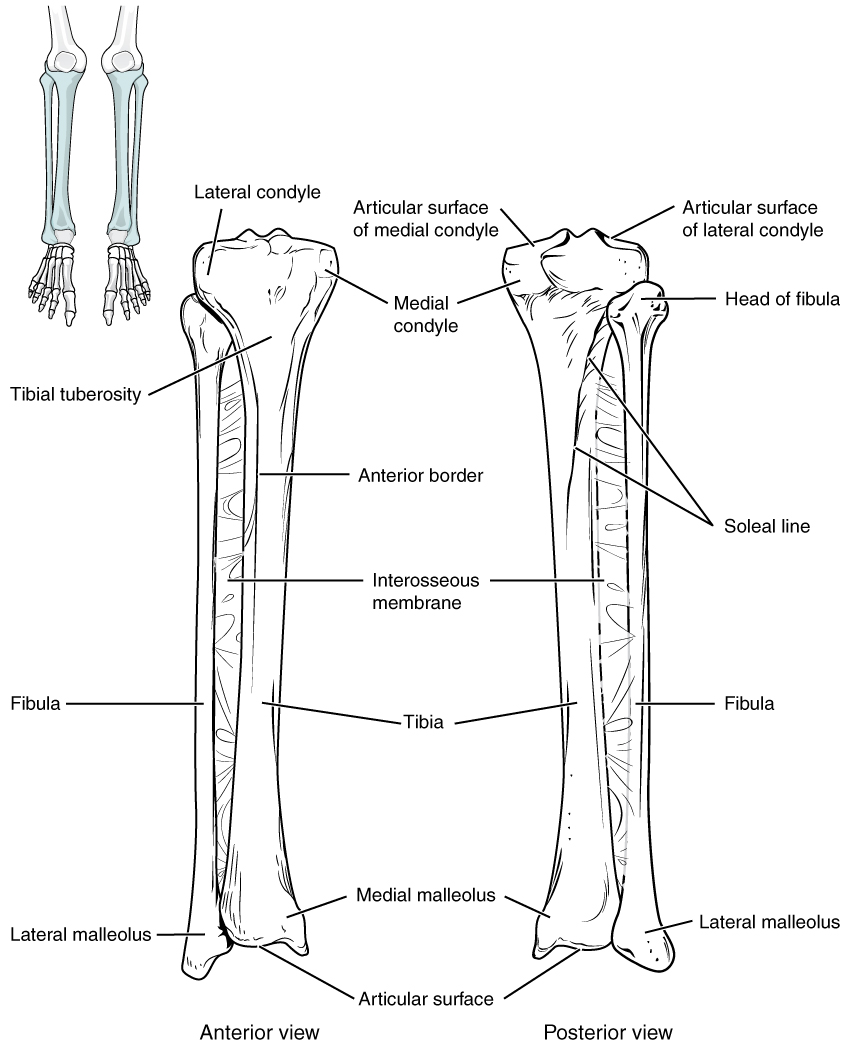
The needle is inserted through the bone's hard cortex and into the soft marrow interior, which allows immediate access to the vascular system. The IO needle is positioned at a 90-degree angle to the injection site, and is advanced through manual traction, impact driven force, or power driven. Each IO device has different designated insertion locations. The most common site of insertion is the antero-medial aspect of the upper, proximal tibia as this site lies just under the skin and is easily located. Other insertion sites include the anterior aspect of the femur, the superior iliac crest, proximal humerus, proximal tibia, distal tibia and the sternum (manubrium). Although intravascular access is still the preferred method for medication delivery in the prehospital area, IO access for adults has become more common. As of 2010, the American Heart Association no longer recommends using the endotracheal tube (ET) for resuscitation drugs, except as a last resort when IV or IO access cannot be gained. ET absorption of medications is poor, and optimal ET drug dosings are unknown. IO administration is becoming more common in civilian and military pre-hospital emergency medical services (EMS) systems globally.
Intraosseous access has roughly the same absorption rate as IV access, and allows for fluid resuscitation. For example, sodium bicarbonate can be administered IO during a cardiac arrest when IV access is unavailable. High flow rates are attainable with an IO infusion, up to 125 milliliters per minute. This high rate of flow is achieved using a pressure bag to administer the infusion directly into the bone. Large volume IO infusions are known to be painful. 1% lidocaine is used to ease the pain associated with large volume IO infusions in conscious people.
Like any medical procedure, intraosseous infusion has some potential complications. In a review by Tyler et al., an analysis across the included studies found the overall complication rate associated with IO infusions to be less than 1% (0.9%).
Hub AI
Intraosseous infusion AI simulator
(@Intraosseous infusion_simulator)
Intraosseous infusion
Intraosseous infusion (IO) is the process of injecting medication, fluids, or blood products directly into the bone marrow; this provides a non-collapsible entry point into the systemic venous system. The intraosseous infusion technique is used to provide fluids and medication when intravenous access is not available or not feasible. Intraosseous infusions allow for the administered medications and fluids to go directly into the vascular system. The IO route of fluid and medication administration is an alternative to the preferred intravascular route when the latter cannot be established promptly in emergency situations. Intraosseous infusions are used when people have compromised intravenous access and need immediate delivery of life-saving fluids and medications.
The use of the IV route to administer fluids has been around since the 1830s, and, in 1922, Cecil K. Drinker et al. saw that bone, specifically the sternum, could also be used as a route of administration for emergency purposes. To continue the expansion of knowledge regarding IO administration, a successful blood transfusion took place in 1940 using the sternum, and afterward, in 1941, Tocantins and O'Neill demonstrated successful vascular access using the bone marrow cavity of a long bone in rabbits. Because of Tocantins and O'Neill's success in their experiments with rabbits, human clinical trials were established using mainly the body of the sternum or the manubrium for access. Emanuel Papper and others then continued to advocate, research, and make advances on behalf of the IO administration. Once Papper showed that the bone marrow space could be used with comparable success to administer IV fluids and drugs, intraosseous infusion was popularized during World War II to prevent soldiers' deaths via hemorrhagic shock. While popular in the field during WWII, the use of IO was not seen as a standard for emergencies until the 1980s, and only so for children. With the rise of technology allowing the ease of technique of IO, and a lower risk of complications like bloodstream infections than when using peripheral access, the alternative of IO access has increased throughout the years for adults, as well. IO is now recommended in Advanced Cardiac and Pediatric Advanced Life Support treatment protocols, in cases where access via IV cannot be established on time.
Intraosseous access is indicated in emergency situations, such as when a person experiences some type of major trauma like shock, cardiac arrest, severe dehydration, or severe gastrointestinal hemorrhage. IO access can provide the quickest way to rapidly infuse needed medications and fluids in an emergency situation. In people who experience critical trauma and who do not have adequate blood pressure, the IO route doubles the success rate of the peripheral IV route.[citation needed]
In addition to the emergency clinical scenario that can call for an IO route to be used, IO access is only indicated when access to peripheral veins is either not possible or delayed. When IV access is either not possible or delayed, other indications for utilizing the IO route include administering contrast if needed for radiology scans and drawing blood for laboratory testing and analysis. Situations that can result in decreased or delayed access to peripheral veins, and thus necessitate the use of an IO route to infuse medications and fluids include circumstances such as burns, fluid accumulation (edema), past IV drug use, obesity, and very low blood pressure.
An IO infusion can be used on adult or pediatric populations when traditional methods of vascular access are difficult or otherwise cause unwanted delayed management of the administration of medications. The IO site can be used for 24 hours and should be removed as soon as intravenous access has been gained. Prolonged use of an IO site, lasting longer than 24 hours, is associated with osteomyelitis (an infection in the bone).
The needle is inserted through the bone's hard cortex and into the soft marrow interior, which allows immediate access to the vascular system. The IO needle is positioned at a 90-degree angle to the injection site, and is advanced through manual traction, impact driven force, or power driven. Each IO device has different designated insertion locations. The most common site of insertion is the antero-medial aspect of the upper, proximal tibia as this site lies just under the skin and is easily located. Other insertion sites include the anterior aspect of the femur, the superior iliac crest, proximal humerus, proximal tibia, distal tibia and the sternum (manubrium). Although intravascular access is still the preferred method for medication delivery in the prehospital area, IO access for adults has become more common. As of 2010, the American Heart Association no longer recommends using the endotracheal tube (ET) for resuscitation drugs, except as a last resort when IV or IO access cannot be gained. ET absorption of medications is poor, and optimal ET drug dosings are unknown. IO administration is becoming more common in civilian and military pre-hospital emergency medical services (EMS) systems globally.
Intraosseous access has roughly the same absorption rate as IV access, and allows for fluid resuscitation. For example, sodium bicarbonate can be administered IO during a cardiac arrest when IV access is unavailable. High flow rates are attainable with an IO infusion, up to 125 milliliters per minute. This high rate of flow is achieved using a pressure bag to administer the infusion directly into the bone. Large volume IO infusions are known to be painful. 1% lidocaine is used to ease the pain associated with large volume IO infusions in conscious people.
Like any medical procedure, intraosseous infusion has some potential complications. In a review by Tyler et al., an analysis across the included studies found the overall complication rate associated with IO infusions to be less than 1% (0.9%).
Recent media