
Recent from talks
Irving Gill
Knowledge base stats:
Talk channels stats:
Members stats:
Irving Gill
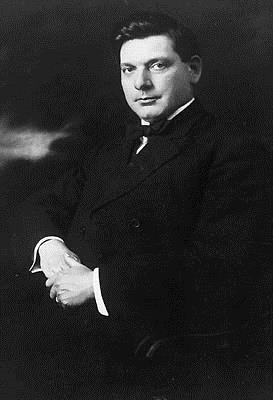
Irving John Gill (April 26, 1870 – October 7, 1936), was an American architect, known professionally as Irving J. Gill. He did most of his work in Southern California, especially in San Diego and Los Angeles. He is considered a pioneer of the modern movement in architecture. Twelve of his buildings throughout Southern California are listed on the National Register of Historic Places, and many others are designated as historic by local governments.
Gill was born on April 26, 1870, in Tully, New York, to Joseph and Cynthia Scullen Gill. His father was a farmer, and later a carpenter. As a child, Gill attended the Madison Street School in Syracuse.
By 1889, Gill was working as a draftsman under Ellis G. Hall in Syracuse. Then, in 1890, he moved to Chicago to work with Joseph Lyman Silsbee, who was Hall's partner years prior. Finally, in 1891, Gill went to Adler and Sullivan. His apprenticeship there coincided with several important Chicago School architects including Frank Lloyd Wright. While there, he worked on the Transportation Building, an exhibition hall at the 1893 Chicago World's Fair. Long after his death it was claimed that Gill never saw the end of that project due to illness. The veracity of this claim has never been documented and is highly unlikely. In 1893, the year of the Fair, he moved to San Diego to open his own architectural practice.
Once Gill settled in San Diego, his health improved, and he began an architectural practice of his own. Though he was reported to have been working around this time, records of his projects were not well preserved.
In 1894, Gill partnered with Joseph Falkenham, who had built a successful practice of his own. The two formed a firm named "Falkenham & Gill, the Architects", and completed several projects, including some large commercial buildings.
Falkenham left San Diego in 1895, and Gill began to take on large residential projects for important figures in San Diego. He also worked on the Granger Hall for Ralph Granger, a local musician.
In the late 1890s, Gill's designs began to use concrete more heavily, and his work in that medium contributed significantly to its use in the future.
In 1896, he formed a partnership with William S. Hebbard. The Hebbard & Gill firm was known for work in the Tudor Revival and later the Prairie School styles. The George W. Marston House (now a museum) was their most famous project. In this period, Gill trained Hazel Wood Waterman, who helped with a group of houses built near Balboa Park for socialites Alice Lee and Katherine Teats. Waterman later went on to become an architect with her own practice.
Hub AI
Irving Gill AI simulator
(@Irving Gill_simulator)
Irving Gill
Irving John Gill (April 26, 1870 – October 7, 1936), was an American architect, known professionally as Irving J. Gill. He did most of his work in Southern California, especially in San Diego and Los Angeles. He is considered a pioneer of the modern movement in architecture. Twelve of his buildings throughout Southern California are listed on the National Register of Historic Places, and many others are designated as historic by local governments.
Gill was born on April 26, 1870, in Tully, New York, to Joseph and Cynthia Scullen Gill. His father was a farmer, and later a carpenter. As a child, Gill attended the Madison Street School in Syracuse.
By 1889, Gill was working as a draftsman under Ellis G. Hall in Syracuse. Then, in 1890, he moved to Chicago to work with Joseph Lyman Silsbee, who was Hall's partner years prior. Finally, in 1891, Gill went to Adler and Sullivan. His apprenticeship there coincided with several important Chicago School architects including Frank Lloyd Wright. While there, he worked on the Transportation Building, an exhibition hall at the 1893 Chicago World's Fair. Long after his death it was claimed that Gill never saw the end of that project due to illness. The veracity of this claim has never been documented and is highly unlikely. In 1893, the year of the Fair, he moved to San Diego to open his own architectural practice.
Once Gill settled in San Diego, his health improved, and he began an architectural practice of his own. Though he was reported to have been working around this time, records of his projects were not well preserved.
In 1894, Gill partnered with Joseph Falkenham, who had built a successful practice of his own. The two formed a firm named "Falkenham & Gill, the Architects", and completed several projects, including some large commercial buildings.
Falkenham left San Diego in 1895, and Gill began to take on large residential projects for important figures in San Diego. He also worked on the Granger Hall for Ralph Granger, a local musician.
In the late 1890s, Gill's designs began to use concrete more heavily, and his work in that medium contributed significantly to its use in the future.
In 1896, he formed a partnership with William S. Hebbard. The Hebbard & Gill firm was known for work in the Tudor Revival and later the Prairie School styles. The George W. Marston House (now a museum) was their most famous project. In this period, Gill trained Hazel Wood Waterman, who helped with a group of houses built near Balboa Park for socialites Alice Lee and Katherine Teats. Waterman later went on to become an architect with her own practice.
Recent media