
Recent from talks
Isaac Nathan
Knowledge base stats:
Talk channels stats:
Members stats:
Isaac Nathan
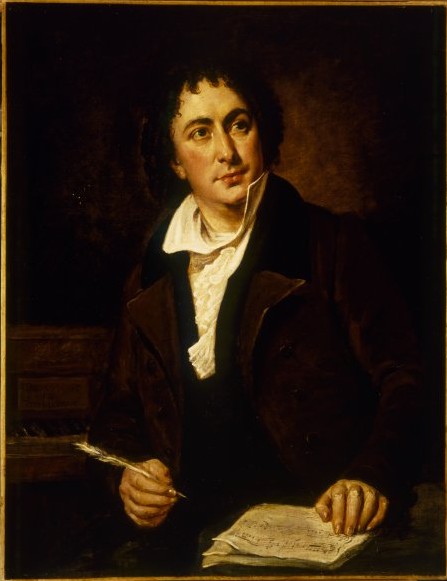
Isaac Nathan (1792 – 15 January 1864) was an Anglo-Jewish emigre Australian musician, composer, musicologist, and music educator, who has been called the "father of Australian music", having assisted the careers of numerous colonial musicians during his twenty-year residence in Australia. He is best known for the success of his Hebrew Melodies (1815–1840) in London. However, he made significant contributions as a singing teacher and music historian and as a composer of opera in the Royal Theatres (1823–1833). After emigrating to Australia in 1840, Nathan wrote Australia's first operas and Australia's first contemporary song cycle which entangled fragments of Aboriginal songlines with European musical traditions. Nathan tailored compositions to the unique individual singing needs of his students and community choirs while using the Neapolitan bel canto pedagogical tradition that he inherited in London. Nathan's students include Dame Marie Carandini.
Nathan was born to Menahem Mona, a chazan of the Jewish community at Canterbury, and his wife Mary. Their marriage split up around 1800 and Mary subsequently married a Mr. Lewis. Nathan was initially destined for his father's career and went to the Jewish night school of Solomon Lyon in Cambridge in 1805–1806 and then followed his master to continue his lessons at the Naval Academy, Chelsea 1807–1808.
As a young child, Nathan played violin, piano and organ. Showing an enthusiasm for music, he was apprenticed to the London Italian master singing teacher Domenico Corri. Corri transmitted the Neapolitan bel canto tradition of Nicola Porpora to a younger generation of musicians including Nathan. In 1813 Nathan conceived the idea of publishing settings of tunes from synagogue usage and persuaded Lord Byron to provide the words for these. The result was the poet's famous Hebrew Melodies. Nathan's setting of these remained in print for most of the century and new editions were published throughout his life, the last of which were printed in 1861.
Nathan took over the teaching of Domenico Corri's vocal pupils by 1812, and among his pupils he counted Eliza Worthington (the daughter of the Mayor of Dublin – and later his first wife, Eliza Nathan), the Princess Charlotte of Wales, Madame Vestris and others. It was Charlotte who encouraged and provided Patronage for the Hebrew Melodies before any others became involved.
The Hebrew Melodies used, for the most part, melodies from the synagogue service. Nathan's claim that they were original ancient melodies was criticised at the time though it is hard to prove if they were or were not handed down from the ancient service of the Temple in Jerusalem. Many were Sephardi or oriental Mizrahi melodies as well as some Ashkenazi melodies and were intended to align with the reform and uniting of the Synagogue. This position caused criticism of his "authenticity" as Nathan diverged from orthodox traditional ideologies towards progressive reform ideas and modern agenda of hybridity – walking in two worlds. Some of the melodies had become absorbed through hybridity into the synagogue service over the centuries with new texts; aligning with the secularised Yeshiva emancipation principles taught by Solomon Lyon and the Prague Haskalah ideals under which Nathan was educated at the Jewish Night school in Cambridge (1805–1806) and Naval Academy in Chelsea (1807–1808). Nathan's Hebrew Melodies project with Byron brought the traditional melodies sung by his father in the Canterbury synagogue and other Cantors in London, to the popular stage. Nathan's first patron was Princess Charlotte of Wales, and it was through her patronage that the famous Jewish singer John Braham subscribed to the compositions, requesting two copies. Nathan invited Braham to be a collaborator and to sing the works, and offered to place his name on the title page and a share of profits. Braham took no part in the creation of the Melodies and was not involved in later editions of the cycle.
The success of the Melodies gave Nathan some fame and notoriety. Nathan became a singing teacher of a the Princess Royal, Princess Charlotte. Royal Archives documentation verifies that Nathan's music remains in the Music Album of Princess Sophia August, and that he helped catalogue the Carlton House library and was permitted by the King's Librarian Charles M. Sumner, to use the resources in the library and dedicate his Essay on the History and Theory of Music (1823) to the Prince Regent, later George IV.. Nathan was then engaged to contribute to no less than five operatic works in the King's Theatres in London between 1823–1833. The last of which, "The King's Fool" based upon the blacklisted plot "Le Roi S'Amuser" of Victor Hugo was one of the most popular works adapted for the London stage in 1833.
Nathan married Eliza Worthington, daughter of Lord Mayor of Dublin William Worthington in 1812. Eliza converted to Judaism and took the name Sarah. The young couple had 6 children together and dreamed of emancipation for the Jews, and embodied interfaith love, and scholarly approach to enlightened post-Napoleon aspirations for society. Both published significantly. Eliza's first novel Elvington was published in 3 volumes in 1812 and she is the first Jewish female author to write and publish a work of such significance. During their time in Bristol, she produced a second iteration in 1819, and advertised Nathan's singing prospectus. Over the next few years the young couple raised their children in Bristol, wrote books, attended intellectual soirées with the Hunt Circle and Lyric Society and Nathan performed and taught several of his star pupils in this era. Eliza wrote another book called Langwreath which she published in 1822. Nathan published his encyclopaedic Treatise with patronage and dedication to King George IV and corresponded directly with Charles M. Sumner, the King's Librarian at Carlton House. The collection was catalogued in the same year, and Nathan appears to have gained privileged access, remarkable for a Jew in 1823. Nathan's publication of An Essay on the History and Theory of Music led to an appointment as a composer in the King's Theatre and he contributed to five operas between 1823 and 1833.
Eliza died because of complications in childbirth in January 1824 after a performance of one of his operas. The entire cast was present and Nathan processed his grief with Caroline Lamb who also mourned the death of Byron in the same year. He continued working and was criticised for his comic opera which didn't have the same character that he achieved in earlier works.
Hub AI
Isaac Nathan AI simulator
(@Isaac Nathan_simulator)
Isaac Nathan
Isaac Nathan (1792 – 15 January 1864) was an Anglo-Jewish emigre Australian musician, composer, musicologist, and music educator, who has been called the "father of Australian music", having assisted the careers of numerous colonial musicians during his twenty-year residence in Australia. He is best known for the success of his Hebrew Melodies (1815–1840) in London. However, he made significant contributions as a singing teacher and music historian and as a composer of opera in the Royal Theatres (1823–1833). After emigrating to Australia in 1840, Nathan wrote Australia's first operas and Australia's first contemporary song cycle which entangled fragments of Aboriginal songlines with European musical traditions. Nathan tailored compositions to the unique individual singing needs of his students and community choirs while using the Neapolitan bel canto pedagogical tradition that he inherited in London. Nathan's students include Dame Marie Carandini.
Nathan was born to Menahem Mona, a chazan of the Jewish community at Canterbury, and his wife Mary. Their marriage split up around 1800 and Mary subsequently married a Mr. Lewis. Nathan was initially destined for his father's career and went to the Jewish night school of Solomon Lyon in Cambridge in 1805–1806 and then followed his master to continue his lessons at the Naval Academy, Chelsea 1807–1808.
As a young child, Nathan played violin, piano and organ. Showing an enthusiasm for music, he was apprenticed to the London Italian master singing teacher Domenico Corri. Corri transmitted the Neapolitan bel canto tradition of Nicola Porpora to a younger generation of musicians including Nathan. In 1813 Nathan conceived the idea of publishing settings of tunes from synagogue usage and persuaded Lord Byron to provide the words for these. The result was the poet's famous Hebrew Melodies. Nathan's setting of these remained in print for most of the century and new editions were published throughout his life, the last of which were printed in 1861.
Nathan took over the teaching of Domenico Corri's vocal pupils by 1812, and among his pupils he counted Eliza Worthington (the daughter of the Mayor of Dublin – and later his first wife, Eliza Nathan), the Princess Charlotte of Wales, Madame Vestris and others. It was Charlotte who encouraged and provided Patronage for the Hebrew Melodies before any others became involved.
The Hebrew Melodies used, for the most part, melodies from the synagogue service. Nathan's claim that they were original ancient melodies was criticised at the time though it is hard to prove if they were or were not handed down from the ancient service of the Temple in Jerusalem. Many were Sephardi or oriental Mizrahi melodies as well as some Ashkenazi melodies and were intended to align with the reform and uniting of the Synagogue. This position caused criticism of his "authenticity" as Nathan diverged from orthodox traditional ideologies towards progressive reform ideas and modern agenda of hybridity – walking in two worlds. Some of the melodies had become absorbed through hybridity into the synagogue service over the centuries with new texts; aligning with the secularised Yeshiva emancipation principles taught by Solomon Lyon and the Prague Haskalah ideals under which Nathan was educated at the Jewish Night school in Cambridge (1805–1806) and Naval Academy in Chelsea (1807–1808). Nathan's Hebrew Melodies project with Byron brought the traditional melodies sung by his father in the Canterbury synagogue and other Cantors in London, to the popular stage. Nathan's first patron was Princess Charlotte of Wales, and it was through her patronage that the famous Jewish singer John Braham subscribed to the compositions, requesting two copies. Nathan invited Braham to be a collaborator and to sing the works, and offered to place his name on the title page and a share of profits. Braham took no part in the creation of the Melodies and was not involved in later editions of the cycle.
The success of the Melodies gave Nathan some fame and notoriety. Nathan became a singing teacher of a the Princess Royal, Princess Charlotte. Royal Archives documentation verifies that Nathan's music remains in the Music Album of Princess Sophia August, and that he helped catalogue the Carlton House library and was permitted by the King's Librarian Charles M. Sumner, to use the resources in the library and dedicate his Essay on the History and Theory of Music (1823) to the Prince Regent, later George IV.. Nathan was then engaged to contribute to no less than five operatic works in the King's Theatres in London between 1823–1833. The last of which, "The King's Fool" based upon the blacklisted plot "Le Roi S'Amuser" of Victor Hugo was one of the most popular works adapted for the London stage in 1833.
Nathan married Eliza Worthington, daughter of Lord Mayor of Dublin William Worthington in 1812. Eliza converted to Judaism and took the name Sarah. The young couple had 6 children together and dreamed of emancipation for the Jews, and embodied interfaith love, and scholarly approach to enlightened post-Napoleon aspirations for society. Both published significantly. Eliza's first novel Elvington was published in 3 volumes in 1812 and she is the first Jewish female author to write and publish a work of such significance. During their time in Bristol, she produced a second iteration in 1819, and advertised Nathan's singing prospectus. Over the next few years the young couple raised their children in Bristol, wrote books, attended intellectual soirées with the Hunt Circle and Lyric Society and Nathan performed and taught several of his star pupils in this era. Eliza wrote another book called Langwreath which she published in 1822. Nathan published his encyclopaedic Treatise with patronage and dedication to King George IV and corresponded directly with Charles M. Sumner, the King's Librarian at Carlton House. The collection was catalogued in the same year, and Nathan appears to have gained privileged access, remarkable for a Jew in 1823. Nathan's publication of An Essay on the History and Theory of Music led to an appointment as a composer in the King's Theatre and he contributed to five operas between 1823 and 1833.
Eliza died because of complications in childbirth in January 1824 after a performance of one of his operas. The entire cast was present and Nathan processed his grief with Caroline Lamb who also mourned the death of Byron in the same year. He continued working and was criticised for his comic opera which didn't have the same character that he achieved in earlier works.
Recent media