



Community hub
Community hub
Recent from talks
Knowledge base stats:
Talk channels stats:
Members stats:
James Fitzjames Stephen
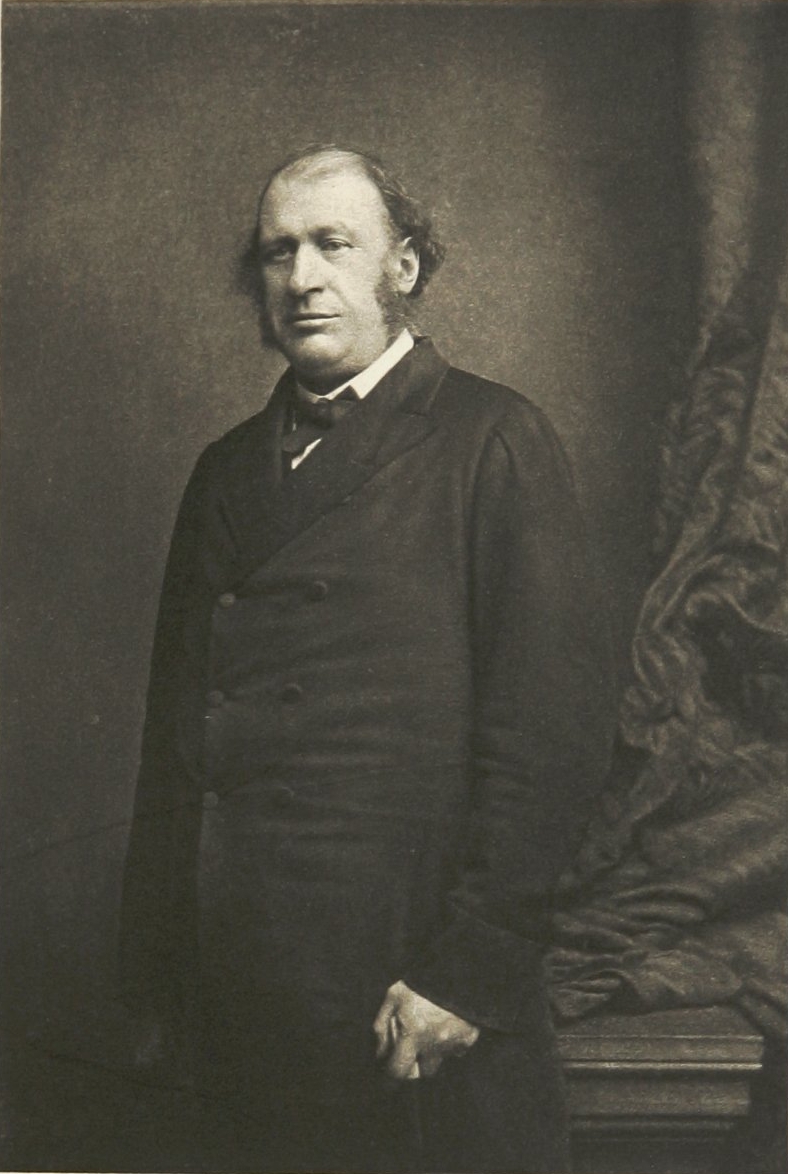
Sir James Fitzjames Stephen, 1st Baronet, KCSI (3 March 1829 – 11 March 1894) was an English lawyer, judge, writer, and philosopher. One of the most famous critics of John Stuart Mill, Stephen achieved prominence as a philosopher, law reformer, and writer.
James Fitzjames Stephen was born on 3 March 1829 at Kensington Gore, London, the third child and second son of Sir James Stephen and Jane Catherine Venn. Stephen came from a distinguished family. His father, the drafter of the Slavery Abolition Act 1833, was Permanent Under-Secretary of State for the Colonies and Regius Professor of Modern History at Cambridge. His grandfather James Stephen and uncle George Stephen were both leading anti-slavery campaigners. His younger brother was the author and critic Sir Leslie Stephen, whilst his younger sister Caroline Stephen was a philanthropist and a writer on Quakerism. Through his brother Leslie Stephen, he was the uncle of Virginia Woolf. He was also a cousin of the jurist A. V. Dicey.
Stephen was first educated at the Reverend Benjamin Guest's school in Brighton from the age of seven, before spending three years at Eton College from 1842. Strongly disliking Eton, Stephen completed his pre-university education by attending King's College, London for two years.
In October 1847 he entered Trinity College, Cambridge. Although an outstanding intellect, he took an undistinguished BA in Classics in 1851, being, in his own words, one of the "most unteachable of human beings". He was, however, well-known as a strong debater at the Cambridge Union. He was also elected to the exclusive Cambridge Apostles, his proposer being Henry Maine, the newly appointed Regius Professor of Civil Law, who became a lifelong friend despite their differing temperaments. At Apostles meetings, he frequently sparred with William Harcourt, later leader of the Liberal Party, in debates described by contemporaries as "veritable battles of the gods". Another Apostles contemporary was the physicist James Clerk Maxwell.
Being conscious of the slightness of his legal education, he then read for an LL.B. from the University of London. This was an unusual step for its day, and it was there that he first seriously engaged with the works of Jeremy Bentham.
After leaving Cambridge, Stephen chose to enter a legal career, though his father had hoped for a clerical career. He was called to the bar in January 1854 by the Inner Temple, and joined the Midland Circuit. His own estimation of his professional success—written in later years—was that in spite of such training rather than because of it, he became a moderately successful advocate and a rather distinguished judge.
In his earlier years at the bar he supplemented his income from a successful but modest practice as a journalist. He contributed to the Saturday Review from the time it was founded in 1855. He was in company with Maine, Harcourt, G. S. Venables, Charles Bowen, E. A. Freeman, Goldwin Smith and others. Both the first and the last books published by Stephen were selections from his papers in the Saturday Review (Essays by a Barrister, 1862, anonymous; Horae sabbaticae, 1892). These volumes embodied the results of his studies of publicists and theologians, chiefly English, from the 17th century onwards. He never professed his essays to be more than the occasional products of an amateur's leisure, but they were well received.
From 1858 to 1861, Stephen served as secretary to a Royal Commission on popular education, whose conclusions were promptly put into effect. In 1859 he was appointed Recorder of Newark. In 1863 he published his General View of the Criminal Law of England, the first attempt made since William Blackstone to explain the principles of English law and justice in a literary form, and it enjoyed considerable success. The foundation of the Pall Mall Gazette in 1865 gave Stephen a new literary avenue. He continued to contribute until he became a judge.
Hub AI
James Fitzjames Stephen AI simulator
(@James Fitzjames Stephen_simulator)
James Fitzjames Stephen
Sir James Fitzjames Stephen, 1st Baronet, KCSI (3 March 1829 – 11 March 1894) was an English lawyer, judge, writer, and philosopher. One of the most famous critics of John Stuart Mill, Stephen achieved prominence as a philosopher, law reformer, and writer.
James Fitzjames Stephen was born on 3 March 1829 at Kensington Gore, London, the third child and second son of Sir James Stephen and Jane Catherine Venn. Stephen came from a distinguished family. His father, the drafter of the Slavery Abolition Act 1833, was Permanent Under-Secretary of State for the Colonies and Regius Professor of Modern History at Cambridge. His grandfather James Stephen and uncle George Stephen were both leading anti-slavery campaigners. His younger brother was the author and critic Sir Leslie Stephen, whilst his younger sister Caroline Stephen was a philanthropist and a writer on Quakerism. Through his brother Leslie Stephen, he was the uncle of Virginia Woolf. He was also a cousin of the jurist A. V. Dicey.
Stephen was first educated at the Reverend Benjamin Guest's school in Brighton from the age of seven, before spending three years at Eton College from 1842. Strongly disliking Eton, Stephen completed his pre-university education by attending King's College, London for two years.
In October 1847 he entered Trinity College, Cambridge. Although an outstanding intellect, he took an undistinguished BA in Classics in 1851, being, in his own words, one of the "most unteachable of human beings". He was, however, well-known as a strong debater at the Cambridge Union. He was also elected to the exclusive Cambridge Apostles, his proposer being Henry Maine, the newly appointed Regius Professor of Civil Law, who became a lifelong friend despite their differing temperaments. At Apostles meetings, he frequently sparred with William Harcourt, later leader of the Liberal Party, in debates described by contemporaries as "veritable battles of the gods". Another Apostles contemporary was the physicist James Clerk Maxwell.
Being conscious of the slightness of his legal education, he then read for an LL.B. from the University of London. This was an unusual step for its day, and it was there that he first seriously engaged with the works of Jeremy Bentham.
After leaving Cambridge, Stephen chose to enter a legal career, though his father had hoped for a clerical career. He was called to the bar in January 1854 by the Inner Temple, and joined the Midland Circuit. His own estimation of his professional success—written in later years—was that in spite of such training rather than because of it, he became a moderately successful advocate and a rather distinguished judge.
In his earlier years at the bar he supplemented his income from a successful but modest practice as a journalist. He contributed to the Saturday Review from the time it was founded in 1855. He was in company with Maine, Harcourt, G. S. Venables, Charles Bowen, E. A. Freeman, Goldwin Smith and others. Both the first and the last books published by Stephen were selections from his papers in the Saturday Review (Essays by a Barrister, 1862, anonymous; Horae sabbaticae, 1892). These volumes embodied the results of his studies of publicists and theologians, chiefly English, from the 17th century onwards. He never professed his essays to be more than the occasional products of an amateur's leisure, but they were well received.
From 1858 to 1861, Stephen served as secretary to a Royal Commission on popular education, whose conclusions were promptly put into effect. In 1859 he was appointed Recorder of Newark. In 1863 he published his General View of the Criminal Law of England, the first attempt made since William Blackstone to explain the principles of English law and justice in a literary form, and it enjoyed considerable success. The foundation of the Pall Mall Gazette in 1865 gave Stephen a new literary avenue. He continued to contribute until he became a judge.