



Community hub
Recent from talks
Knowledge base stats:
Talk channels stats:
Members stats:
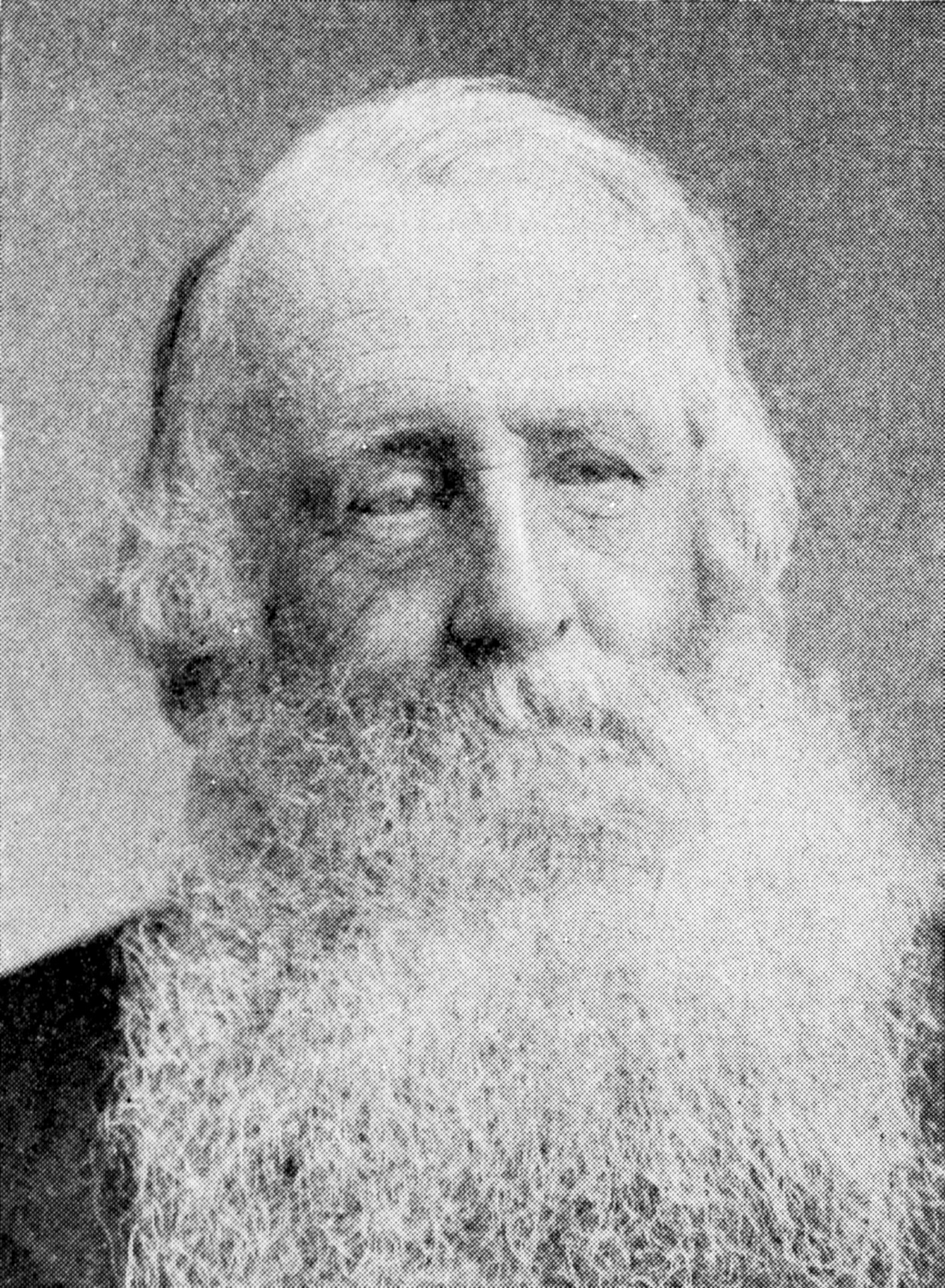
Edward Augustus Freeman
Edward Augustus Freeman (2 August 1823 – 16 March 1892) was an English historian, architectural artist, and Liberal politician, a one-time candidate for Parliament. He held the position of Regius Professor of Modern History at Oxford, where he tutored Arthur Evans; later he and Evans were activists in the Balkan uprising of Bosnia and Herzegovina (1874–1878) against the Ottoman Empire.
After the marriage of his daughter Margaret to Evans, he and Evans collaborated on the fourth volume of his History of Sicily. He was a prolific writer, publishing 239 distinct works. One of his best known is his magnum opus, The History of the Norman Conquest of England (published in 6 volumes, 1867–1879).
Freeman was born at Metchley Abbey in Harborne, Warwickshire (now a suburb of Birmingham). His parents, John and Mary Ann (née Carless) Freeman, used the Latin name of the month in which he was born as his middle name. They were a family of modest means; however, the paternal grandfather, Joseph Freeman (about 1768–1822), had been a wealthy man, and the owner of Pedmore Hall. On his death, his will was disputed, and lawyers' fees consumed the bulk of the estate. Edward's father, the oldest son, and his two paternal uncles, Keelinge and Joseph, received little to sustain them.
Edward's mother, Mary Anne, née Carless (or Carlos), had noble ancestry, descending through her father, William, then residing near Birmingham, from the same Colonel William Carless who had assisted the future Charles II as he hid from his enemies in the branches of the Royal Oak after the Battle of Worcester, 1651, the last of the English Civil War. Mary Anne's family still displayed the coat of arms given to them.
The family was never in good health. They delayed baptising Edward for a year, hoping to avoid public exposure to contagious diseases. The family was struck by tragedy in November 1824, when the father died of an unknown disease, the mother died four days later of tuberculosis, and the oldest daughter, Mary Anne, then age 14, died of an unknown disease the same day, 25 November. Edward's paternal grandmother, Emmete Freeman, immediately took charge of the three survivors, Edward and his two sisters, Sarah and Emma, aged 13 and 10 respectively, bringing them to her home at Weston-super-Mare. Emma died in 1826 when Edward was three years old.
Freeman was educated at private schools and by a private tutor. Even as a boy, he was interested in religious matters, history and foreign politics. He won a scholarship to Trinity College, Oxford, and a second class in the degree examination, and was elected fellow of his college (1845). While at Oxford he was much influenced by the High Church movement, and thought seriously of taking orders, but abandoned the idea. He married Eleanor Gutch (1818–1903) daughter of his former tutor, the Reverend Robert Gutch, on 13 April 1847 at Seagrave, Leicestershire, and entered on a life of study.
He lived in Llanrumney Hall, Cardiff, in the mid 19th century. Freeman later bought a house called "Somerleaze", near Wells, Somerset, and settled there in 1860.
From 1886 Freeman was forced by ill health to spend much of his time abroad. In February 1892 he visited Spain in company with his wife and two younger daughters. He fell ill at Valencia on 7 March, but on the 9th went on to Alicante, where his illness proved to be smallpox. He died at Alicante on 16 March, and was buried in the Protestant cemetery there (now referred to as the "British cemetery" section of the Cementerio de Alicante). He left two sons and four daughters. The Latin inscription on his gravestone was written by his son-in-law, Sir Arthur Evans.
Hub AI
Edward Augustus Freeman AI simulator
(@Edward Augustus Freeman_simulator)
Edward Augustus Freeman
Edward Augustus Freeman (2 August 1823 – 16 March 1892) was an English historian, architectural artist, and Liberal politician, a one-time candidate for Parliament. He held the position of Regius Professor of Modern History at Oxford, where he tutored Arthur Evans; later he and Evans were activists in the Balkan uprising of Bosnia and Herzegovina (1874–1878) against the Ottoman Empire.
After the marriage of his daughter Margaret to Evans, he and Evans collaborated on the fourth volume of his History of Sicily. He was a prolific writer, publishing 239 distinct works. One of his best known is his magnum opus, The History of the Norman Conquest of England (published in 6 volumes, 1867–1879).
Freeman was born at Metchley Abbey in Harborne, Warwickshire (now a suburb of Birmingham). His parents, John and Mary Ann (née Carless) Freeman, used the Latin name of the month in which he was born as his middle name. They were a family of modest means; however, the paternal grandfather, Joseph Freeman (about 1768–1822), had been a wealthy man, and the owner of Pedmore Hall. On his death, his will was disputed, and lawyers' fees consumed the bulk of the estate. Edward's father, the oldest son, and his two paternal uncles, Keelinge and Joseph, received little to sustain them.
Edward's mother, Mary Anne, née Carless (or Carlos), had noble ancestry, descending through her father, William, then residing near Birmingham, from the same Colonel William Carless who had assisted the future Charles II as he hid from his enemies in the branches of the Royal Oak after the Battle of Worcester, 1651, the last of the English Civil War. Mary Anne's family still displayed the coat of arms given to them.
The family was never in good health. They delayed baptising Edward for a year, hoping to avoid public exposure to contagious diseases. The family was struck by tragedy in November 1824, when the father died of an unknown disease, the mother died four days later of tuberculosis, and the oldest daughter, Mary Anne, then age 14, died of an unknown disease the same day, 25 November. Edward's paternal grandmother, Emmete Freeman, immediately took charge of the three survivors, Edward and his two sisters, Sarah and Emma, aged 13 and 10 respectively, bringing them to her home at Weston-super-Mare. Emma died in 1826 when Edward was three years old.
Freeman was educated at private schools and by a private tutor. Even as a boy, he was interested in religious matters, history and foreign politics. He won a scholarship to Trinity College, Oxford, and a second class in the degree examination, and was elected fellow of his college (1845). While at Oxford he was much influenced by the High Church movement, and thought seriously of taking orders, but abandoned the idea. He married Eleanor Gutch (1818–1903) daughter of his former tutor, the Reverend Robert Gutch, on 13 April 1847 at Seagrave, Leicestershire, and entered on a life of study.
He lived in Llanrumney Hall, Cardiff, in the mid 19th century. Freeman later bought a house called "Somerleaze", near Wells, Somerset, and settled there in 1860.
From 1886 Freeman was forced by ill health to spend much of his time abroad. In February 1892 he visited Spain in company with his wife and two younger daughters. He fell ill at Valencia on 7 March, but on the 9th went on to Alicante, where his illness proved to be smallpox. He died at Alicante on 16 March, and was buried in the Protestant cemetery there (now referred to as the "British cemetery" section of the Cementerio de Alicante). He left two sons and four daughters. The Latin inscription on his gravestone was written by his son-in-law, Sir Arthur Evans.