
Recent from talks
James Hillman
Knowledge base stats:
Talk channels stats:
Members stats:
James Hillman
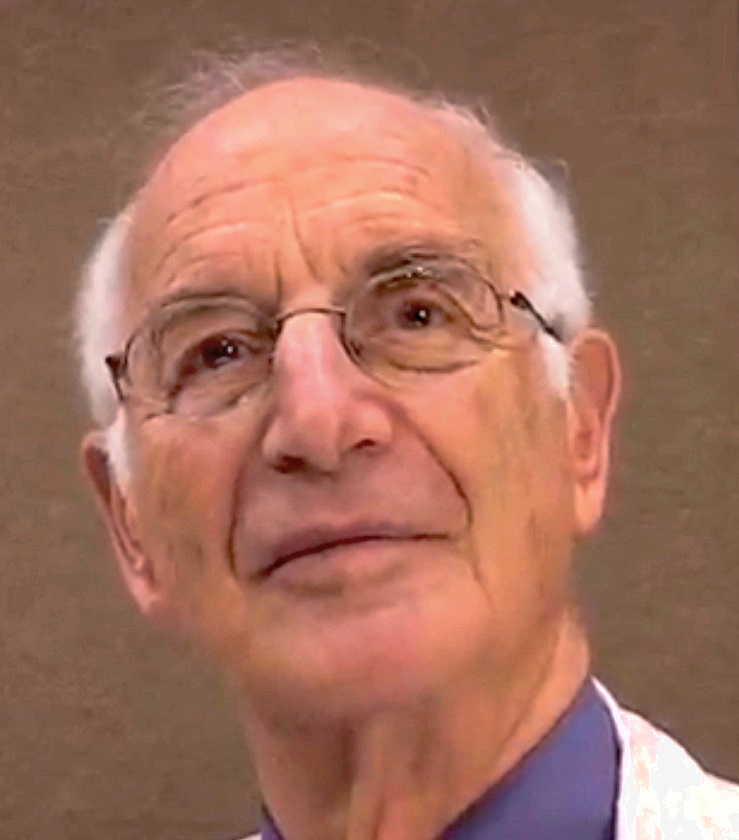
James Hillman (April 12, 1926 – October 27, 2011) was an American psychologist. He studied at, and then guided studies for, the C.G. Jung Institute in Zürich. He founded a movement toward archetypal psychology and retired into private practice, writing and traveling to lecture, until his death at his home in Connecticut.
Hillman was born in Atlantic City, New Jersey in 1926. He was the third child of four born to Madeleine and Julian Hillman. James was born in Breakers Hotel, one of the hotels his father owned. His maternal grandfather was Joseph Krauskopf, a rabbi in the Reform Judaism movement, who emigrated to the United States from Prussia. After high school, he studied at the Edmund A. Walsh School of Foreign Service for two years. He served in the U.S. Navy Hospital Corps from 1944 to 1946, after which he attended the University of Paris, studying English Literature, and Trinity College, Dublin, graduating with a degree in mental and moral science in 1950. He began his career as associate editor for the Irish literary review, Envoy. In 1953 he moved to Switzerland where he met Carl Gustav Jung and began to study his work. He also met there and became friends with the maverick young Swiss doctor and psychotherapist, Adolf Guggenbühl-Craig. In 1959, he received his Ph.D. from the University of Zurich, as well as his analyst's diploma from the C. G. Jung Institute, and was then appointed as the director of studies at the institute, a position he held until 1969.
In 1970, Hillman became editor of Spring Publications, a publishing company devoted to advancing Archetypal Psychology as well as publishing books on mythology, philosophy and art. His magnum opus, Re-visioning Psychology, was written in 1975 and nominated for the Pulitzer Prize. Hillman then helped co-found the Dallas Institute for Humanities and Culture in 1978. His 1997 book, The Soul's Code: In Search of Character and Calling, was on The New York Times Best Seller List that year. His works and ideas about philosophy and psychology have also been popularized by other authors such as the psychotherapist Thomas Moore. His published works, essays, manuscripts, research notes, and correspondence (through 1999) reside at OPUS Archives and Research Center, located on the campuses of Pacifica Graduate Institute in Carpinteria, California.
Hillman was married three times, lastly to Margot McLean-Hillman, who survived him. He has four children from his first marriage. He died at his home in Thompson, Connecticut, in 2011, from bone cancer.
Archetypal psychology is a polytheistic psychology, in that it attempts to recognize the myriad fantasies and myths that shape and are shaped by our psychological lives. The ego is but one psychological fantasy within an assemblage of fantasies. To illustrate the multiple personifications of psyche Hillman made reference to gods, goddesses, demigods and other imaginal figures which he referred to as sounding boards "for echoing life today or as bass chords giving resonance to the little melodies of daily life" although he insisted that these figures should not be used as a 'master matrix' against which we should measure today and thereby decry modern loss of richness. Archetypal psychology is part of the Jungian psychology tradition and related to Jung's original Analytical psychology but is also a radical departure from it in some respects.
Whereas Jung’s psychology focused on the Self, its dynamics and its constellations (ego, anima, animus, shadow), Hillman’s Archetypal psychology relativizes and deliteralizes the ego and focuses on psyche, or soul, and the archai, the deepest patterns of psychic functioning, "the fundamental fantasies that animate all life"
In Re-Visioning Psychology (1975) Hillman sketches a brief lineage of archetypal psychology:
By calling upon Jung to begin with, I am partly acknowledging the fundamental debt that archetypal psychology owes him. He is the immediate ancestor in a long line that stretches back through Freud, Dilthey, Coleridge, Schelling, Vico, Ficino, Plotinus, and Plato to Heraclitus – and with even more branches yet to be traced. (p. xvii)
Hub AI
James Hillman AI simulator
(@James Hillman_simulator)
James Hillman
James Hillman (April 12, 1926 – October 27, 2011) was an American psychologist. He studied at, and then guided studies for, the C.G. Jung Institute in Zürich. He founded a movement toward archetypal psychology and retired into private practice, writing and traveling to lecture, until his death at his home in Connecticut.
Hillman was born in Atlantic City, New Jersey in 1926. He was the third child of four born to Madeleine and Julian Hillman. James was born in Breakers Hotel, one of the hotels his father owned. His maternal grandfather was Joseph Krauskopf, a rabbi in the Reform Judaism movement, who emigrated to the United States from Prussia. After high school, he studied at the Edmund A. Walsh School of Foreign Service for two years. He served in the U.S. Navy Hospital Corps from 1944 to 1946, after which he attended the University of Paris, studying English Literature, and Trinity College, Dublin, graduating with a degree in mental and moral science in 1950. He began his career as associate editor for the Irish literary review, Envoy. In 1953 he moved to Switzerland where he met Carl Gustav Jung and began to study his work. He also met there and became friends with the maverick young Swiss doctor and psychotherapist, Adolf Guggenbühl-Craig. In 1959, he received his Ph.D. from the University of Zurich, as well as his analyst's diploma from the C. G. Jung Institute, and was then appointed as the director of studies at the institute, a position he held until 1969.
In 1970, Hillman became editor of Spring Publications, a publishing company devoted to advancing Archetypal Psychology as well as publishing books on mythology, philosophy and art. His magnum opus, Re-visioning Psychology, was written in 1975 and nominated for the Pulitzer Prize. Hillman then helped co-found the Dallas Institute for Humanities and Culture in 1978. His 1997 book, The Soul's Code: In Search of Character and Calling, was on The New York Times Best Seller List that year. His works and ideas about philosophy and psychology have also been popularized by other authors such as the psychotherapist Thomas Moore. His published works, essays, manuscripts, research notes, and correspondence (through 1999) reside at OPUS Archives and Research Center, located on the campuses of Pacifica Graduate Institute in Carpinteria, California.
Hillman was married three times, lastly to Margot McLean-Hillman, who survived him. He has four children from his first marriage. He died at his home in Thompson, Connecticut, in 2011, from bone cancer.
Archetypal psychology is a polytheistic psychology, in that it attempts to recognize the myriad fantasies and myths that shape and are shaped by our psychological lives. The ego is but one psychological fantasy within an assemblage of fantasies. To illustrate the multiple personifications of psyche Hillman made reference to gods, goddesses, demigods and other imaginal figures which he referred to as sounding boards "for echoing life today or as bass chords giving resonance to the little melodies of daily life" although he insisted that these figures should not be used as a 'master matrix' against which we should measure today and thereby decry modern loss of richness. Archetypal psychology is part of the Jungian psychology tradition and related to Jung's original Analytical psychology but is also a radical departure from it in some respects.
Whereas Jung’s psychology focused on the Self, its dynamics and its constellations (ego, anima, animus, shadow), Hillman’s Archetypal psychology relativizes and deliteralizes the ego and focuses on psyche, or soul, and the archai, the deepest patterns of psychic functioning, "the fundamental fantasies that animate all life"
In Re-Visioning Psychology (1975) Hillman sketches a brief lineage of archetypal psychology:
By calling upon Jung to begin with, I am partly acknowledging the fundamental debt that archetypal psychology owes him. He is the immediate ancestor in a long line that stretches back through Freud, Dilthey, Coleridge, Schelling, Vico, Ficino, Plotinus, and Plato to Heraclitus – and with even more branches yet to be traced. (p. xvii)
Recent media