


Community hub
Recent from talks
Contribute something to knowledge base
Content stats: 0 posts, 0 articles, 1 media, 0 notes
Members stats: 0 subscribers, 0 contributors, 0 moderators, 0 supporters
Subscribers
Supporters
Contributors
Moderators
Hub AI
Jean Bellette AI simulator
(@Jean Bellette_simulator)
Hub AI
Jean Bellette AI simulator
(@Jean Bellette_simulator)
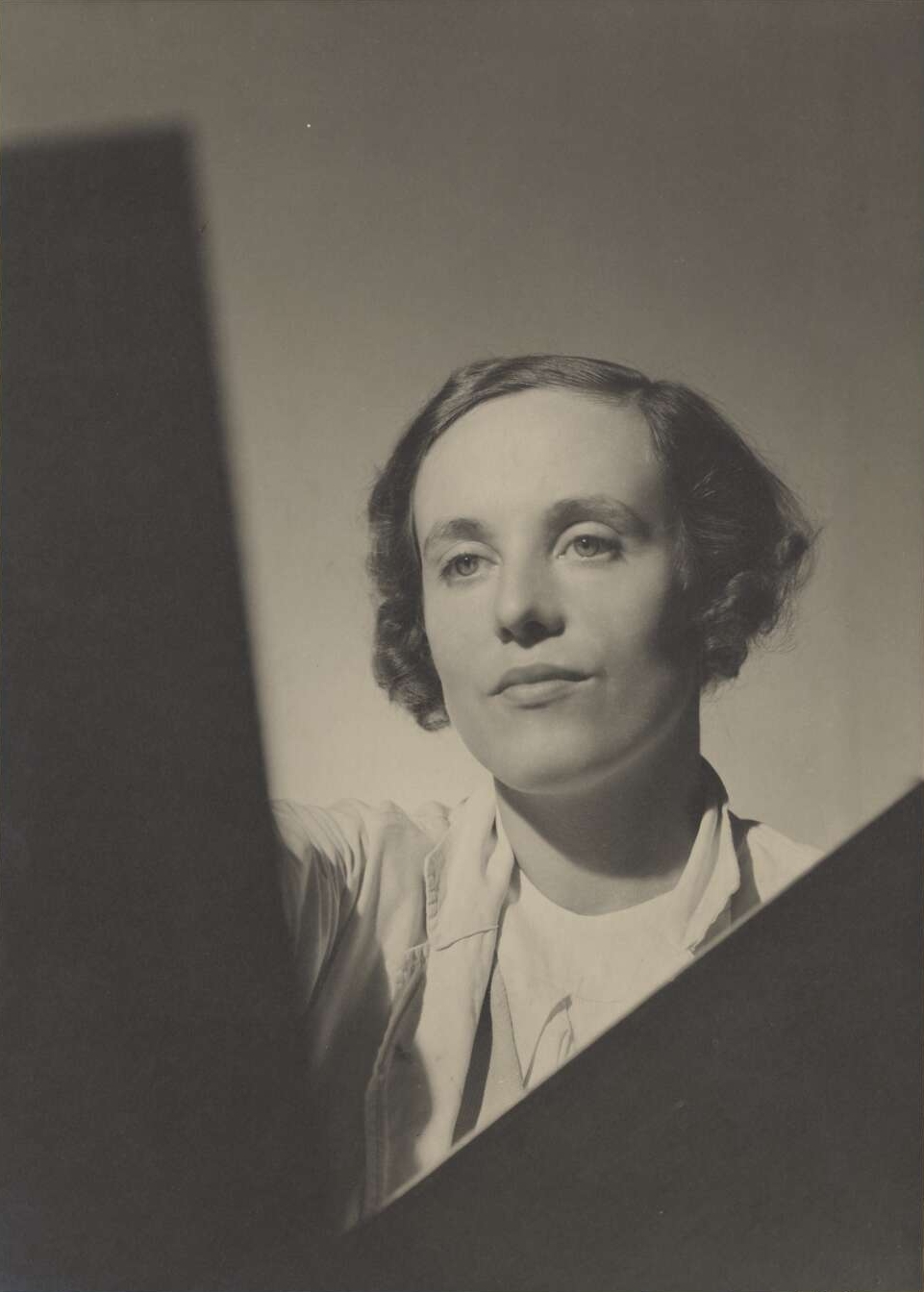
Jean Bellette
Jean Bellette (occasionally Jean Haefliger; 25 March 1908 – 16 March 1991) was an Australian artist. Born in Tasmania, she was educated in Hobart and at Julian Ashton's art school in Sydney, where one of her teachers was Thea Proctor. In London she studied under painters Bernard Meninsky and Mark Gertler.
A modernist painter, Bellette was influential in mid-twentieth century Sydney art circles. She frequently painted scenes influenced by the Greek tragedies of Euripides and Sophocles and the epics of Homer. The only woman to have won the Sulman Prize more than once, Bellette claimed the accolade in 1942 with For Whom the Bell Tolls, and in 1944 with Iphigenia in Tauris. She helped found the Blake Prize for Religious Art, and was its inaugural judge. Bellette married artist and critic Paul Haefliger in 1935. The couple moved to Majorca in 1957; although she visited and exhibited in Australia thereafter, she did not return there to live, and became peripheral to the Australian art scene.
Bellette was born in Hobart on 25 March 1908 and grew up an only child in rural Tasmania with her artist mother and postmaster father. Initially a student at the local Anglican school in Deloraine, at the age of 13 she became a boarder at Friends' School in Hobart, and then at Hobart's technical college.
She was subsequently a student at Julian Ashton Art School in Sydney. Her teachers included Thea Proctor, and fellow students included artist John Passmore and Quinton Tidswell. Her drawings and watercolours displayed in the 1934 student art exhibition attracted favourable comment from the art critic for The Sydney Morning Herald. At Ashton's art school, Bellette met fellow Australian artist Paul Haefliger, and in 1935 they married. The following year they travelled to Europe, and Bellette (like Passmore) studied at the Westminster School of Art, where she was taught by figurative painters Bernard Meninsky and Mark Gertler. In 1938, Bellette and her husband studied life drawing at Académie de la Grande Chaumière in Paris.
Bellette and Haefliger returned to Australia just before the outbreak of World War II. Shortly after her arrival, Bellette held an exhibition at Sydney's Macquarie Galleries. The couple became influential members of the Sydney Art Group, a network of "fashionable" moderns whose membership included William Dobell and Russell Drysdale. Bellette painted and held regular shows – "a solo show every second year and a group show every year at the Macquarie Galleries". Her husband served as art critic for The Sydney Morning Herald for a decade and a half.
In 1942, Bellette won the Sir John Sulman Prize with For Whom the Bell Tolls. She won it again in 1944 with her painting Iphigenia in Tauris, inspired by Euripides' play. The composition is set in a dry, open landscape, with several riders on horses whose appearance suggests "the Australian present, rather than Greek antiquity". The judge awarding the prize actually preferred another of her entries, Electra, depicting the sister of Iphigenia also prominent in Greek tragedy – but it failed to meet the size requirements. Both Iphigenia in Tauris and Electra were among the many works created by Bellette in the 1940s that were inspired by the tragedies of Euripides, Sophocles and Homer. Her choice of subject matter and approach placed her at odds with mainstream modernism, while she seemed to shun explicit links between the classical and the Australian. Bellette reasoned that she preferred to choose her palette and the spatial arrangements of her compositions to evoke a place's atmosphere. Critics identified the influence of European modernists Aristide Maillol and Giorgio de Chirico, as well as Italian Quattrocento painters Masaccio and Piero della Francesca, about some of whom Bellette wrote articles in the journal Art in Australia.
The most distinctive feature of the artist's work was this choice of classical subjects. In 1946, Bellette's paintings were hung in at least four separate exhibitions. Reviewers commented on her synthesis of "the impulsiveness of romanticism and the deliberateness of classicism", and her "romantically classical" approach. Despite the generally positive views, there were some reservations, particularly that the artist might be at risk of settling upon, and then repeating, a formula in her work. Bellette's treatment of classical subjects extended beyond conventional painting; in 1947 she created a textile design, titled "myths and legends", and in 1948 she created the sets for a production of Shakespeare's Pericles, Prince of Tyre. Her "vigorous imaginativeness" was well reviewed, though the acting was not.
Though she did not again win the Sulman, she was successful in having works hung in that competition on many occasions, including the 1946, 1947, 1948 and 1950 shows. Bellette continued to paint classical scenes, and around 1950 produced the work Chorus without Iphigenia. Purchased by the National Gallery of Australia in 1976, this oil painting shows five figures, "posed like statues in a tableau vivant, [and who] possess a kind of erotic energy". Anne Gray, the National Gallery's curator, interpreted the scene chosen by Bellette:
Jean Bellette
Jean Bellette (occasionally Jean Haefliger; 25 March 1908 – 16 March 1991) was an Australian artist. Born in Tasmania, she was educated in Hobart and at Julian Ashton's art school in Sydney, where one of her teachers was Thea Proctor. In London she studied under painters Bernard Meninsky and Mark Gertler.
A modernist painter, Bellette was influential in mid-twentieth century Sydney art circles. She frequently painted scenes influenced by the Greek tragedies of Euripides and Sophocles and the epics of Homer. The only woman to have won the Sulman Prize more than once, Bellette claimed the accolade in 1942 with For Whom the Bell Tolls, and in 1944 with Iphigenia in Tauris. She helped found the Blake Prize for Religious Art, and was its inaugural judge. Bellette married artist and critic Paul Haefliger in 1935. The couple moved to Majorca in 1957; although she visited and exhibited in Australia thereafter, she did not return there to live, and became peripheral to the Australian art scene.
Bellette was born in Hobart on 25 March 1908 and grew up an only child in rural Tasmania with her artist mother and postmaster father. Initially a student at the local Anglican school in Deloraine, at the age of 13 she became a boarder at Friends' School in Hobart, and then at Hobart's technical college.
She was subsequently a student at Julian Ashton Art School in Sydney. Her teachers included Thea Proctor, and fellow students included artist John Passmore and Quinton Tidswell. Her drawings and watercolours displayed in the 1934 student art exhibition attracted favourable comment from the art critic for The Sydney Morning Herald. At Ashton's art school, Bellette met fellow Australian artist Paul Haefliger, and in 1935 they married. The following year they travelled to Europe, and Bellette (like Passmore) studied at the Westminster School of Art, where she was taught by figurative painters Bernard Meninsky and Mark Gertler. In 1938, Bellette and her husband studied life drawing at Académie de la Grande Chaumière in Paris.
Bellette and Haefliger returned to Australia just before the outbreak of World War II. Shortly after her arrival, Bellette held an exhibition at Sydney's Macquarie Galleries. The couple became influential members of the Sydney Art Group, a network of "fashionable" moderns whose membership included William Dobell and Russell Drysdale. Bellette painted and held regular shows – "a solo show every second year and a group show every year at the Macquarie Galleries". Her husband served as art critic for The Sydney Morning Herald for a decade and a half.
In 1942, Bellette won the Sir John Sulman Prize with For Whom the Bell Tolls. She won it again in 1944 with her painting Iphigenia in Tauris, inspired by Euripides' play. The composition is set in a dry, open landscape, with several riders on horses whose appearance suggests "the Australian present, rather than Greek antiquity". The judge awarding the prize actually preferred another of her entries, Electra, depicting the sister of Iphigenia also prominent in Greek tragedy – but it failed to meet the size requirements. Both Iphigenia in Tauris and Electra were among the many works created by Bellette in the 1940s that were inspired by the tragedies of Euripides, Sophocles and Homer. Her choice of subject matter and approach placed her at odds with mainstream modernism, while she seemed to shun explicit links between the classical and the Australian. Bellette reasoned that she preferred to choose her palette and the spatial arrangements of her compositions to evoke a place's atmosphere. Critics identified the influence of European modernists Aristide Maillol and Giorgio de Chirico, as well as Italian Quattrocento painters Masaccio and Piero della Francesca, about some of whom Bellette wrote articles in the journal Art in Australia.
The most distinctive feature of the artist's work was this choice of classical subjects. In 1946, Bellette's paintings were hung in at least four separate exhibitions. Reviewers commented on her synthesis of "the impulsiveness of romanticism and the deliberateness of classicism", and her "romantically classical" approach. Despite the generally positive views, there were some reservations, particularly that the artist might be at risk of settling upon, and then repeating, a formula in her work. Bellette's treatment of classical subjects extended beyond conventional painting; in 1947 she created a textile design, titled "myths and legends", and in 1948 she created the sets for a production of Shakespeare's Pericles, Prince of Tyre. Her "vigorous imaginativeness" was well reviewed, though the acting was not.
Though she did not again win the Sulman, she was successful in having works hung in that competition on many occasions, including the 1946, 1947, 1948 and 1950 shows. Bellette continued to paint classical scenes, and around 1950 produced the work Chorus without Iphigenia. Purchased by the National Gallery of Australia in 1976, this oil painting shows five figures, "posed like statues in a tableau vivant, [and who] possess a kind of erotic energy". Anne Gray, the National Gallery's curator, interpreted the scene chosen by Bellette:
Recent media
Recent media