


Community hub
Recent from talks
Contribute something to knowledge base
Content stats: 0 posts, 0 articles, 1 media, 0 notes
Members stats: 0 subscribers, 0 contributors, 0 moderators, 0 supporters
Subscribers
Supporters
Contributors
Moderators
Hub AI
Joan of Kent AI simulator
(@Joan of Kent_simulator)
Hub AI
Joan of Kent AI simulator
(@Joan of Kent_simulator)
Joan of Kent
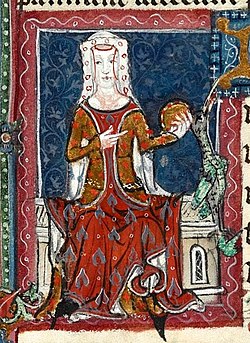
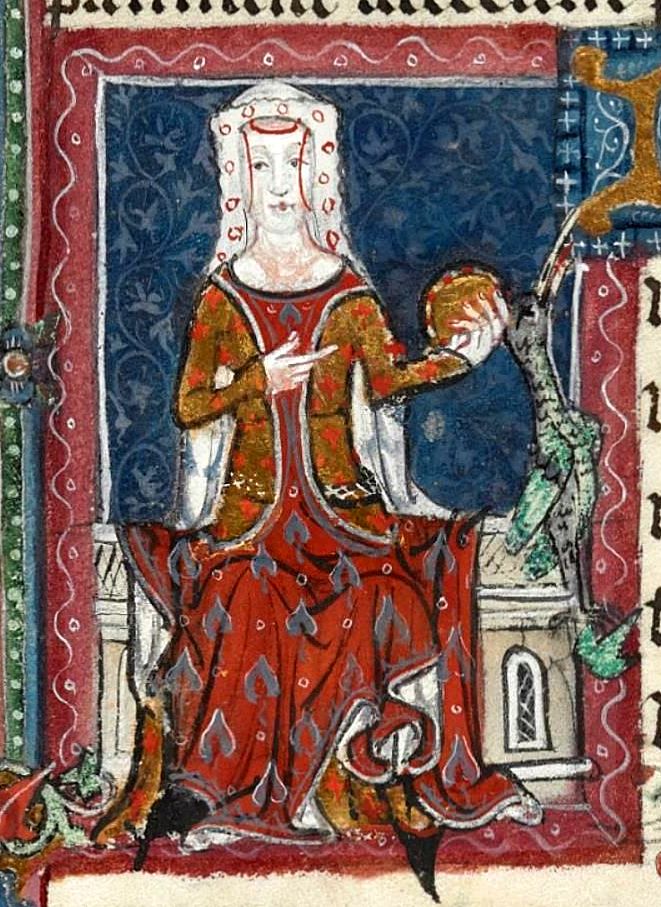
Joan, Countess of Kent suo jure (c. 1328 – August 1385), also known as the "Fair Maid of Kent", was the first Princess of Wales and mother of King Richard II of England, her son by her third husband, Edward the Black Prince. Also known as Edward of Woodstock, the Black Prince was the son and heir apparent of King Edward III by his wife Philippa of Hainault. The French chronicler Jean Froissart described her as 'in her time the most beautiful woman in all the realm of England, and the most loved', and, Chandos Herald wrote that she was 'beautiful, pleasant and wise'. After the death of her brother John, 3rd Earl of Kent, in 1352, Joan inherited the titles 4th Countess of Kent and 5th Baroness Wake of Liddell. Joan was made a Lady of the Garter in 1378.
Joan was born in around 1328 at Woodstock Palace. She was the daughter of Edmund of Woodstock, 1st Earl of Kent, by his wife, Margaret Wake, 3rd Baroness Wake of Liddell. Edmund was the sixth son of King Edward I of England, and his second son by his second wife, Margaret of France, daughter of King Philip III of France. Edmund was always a loyal supporter of his eldest half-brother, King Edward II, which placed him in conflict with that monarch's wife, Queen Isabella of France, and her lover Roger Mortimer, 1st Earl of March. Edmund was executed in 1330 after Edward II was deposed, and Edmund's widow and four children (including Joan, who was only two years old at the time) were placed under house arrest in Arundel Castle in Sussex, which had been granted to Edmund in 1326 by his half-brother the king following the execution of the rebel Edmund FitzAlan, 9th Earl of Arundel. It was a time of great strain for the widowed Countess of Kent and her four children. They received respite after the new king, Edward III (Joan's half-first cousin), reached adulthood and took charge of affairs. He took on the responsibility for the family and looked after them well.
In 1340, at the age of about twelve, Joan secretly married 26-year-old Thomas Holland of Up Holland, Lancashire, without first gaining the royal consent necessary for couples of their rank. Shortly after the wedding, Holland left for the continent as part of the English expedition into Flanders and France. The following winter (1340 or 1341), while Holland was overseas, Joan's family arranged for her to marry William Montagu, son and heir of William Montagu, 1st Earl of Salisbury. It is not known if Joan confided to anyone about her first marriage before marrying Montagu, who was her own age. Later, Joan indicated that she had not announced her existing marriage with Thomas Holland because she was afraid it would lead to Holland's execution for treason. She may also have been influenced to believe that the earlier marriage was invalid. Montagu's father died in 1344, and he became the 2nd Earl of Salisbury.
When Holland returned from the French campaigns in about 1348, his marriage to Joan was revealed. Holland confessed the secret marriage to the king and appealed to the Pope for the return of his wife. Salisbury held Joan captive so that she could not testify until the Church ordered him to release her. In 1349, the proceedings ruled in Holland's favour. Pope Clement VI annulled Joan's marriage to Salisbury and Joan and Thomas Holland were ordered to be married in the Church.
Over the next eleven years, Thomas Holland, 1st Earl of Kent jure uxoris and Joan had five children:
When the last of Joan's siblings died in 1352, the lands and titles of her parents devolved upon her, and she became the 4th Countess of Kent and 5th Baroness Wake of Liddell. Her husband Holland was created Earl of Kent in right of his wife in 1360.
The death of Joan's first husband, Thomas Holland, in 1360 made her an attractive marriage prospect for Edward, the Black Prince, the son of her half-first cousin King Edward III. Some may infer that evidence of a long-held desire by Edward for Joan may be found in the record of his presenting her with a silver cup, part of the booty from one of his early military campaigns. Although one generation removed from her, he was only three or four years younger than she was (depending on whether she was born in 1326 or 1327). It is suggested that Edward's parents did not favour a marriage between their son and their former ward, but this may be contradicted by the fact that King Edward assisted his son in acquiring all four of the needed dispensations for Edward to marry Joan. Among the problems was Edward and Joan's birth placement within the prohibited degrees of consanguinity. Queen Philippa (wife of Edward III) had made a favourite of Joan in her childhood. Both she and the king may have been concerned about the legitimacy of any resulting children, considering Joan's complicated marital record, but such concerns were remedied by a second ruling of Pope Clement's successor Innocent VI that held the initial ruling on Joan's previous marriage attempts.
At the king's request, the Pope granted the four dispensations needed to allow the two to be legally married. Matters moved fast, and Joan was officially married to the Prince barely nine months after Holland's death. The official ceremony took place on 10 October 1361 at Windsor Castle, with the king and queen in attendance. The Archbishop of Canterbury presided.
Joan of Kent
Joan, Countess of Kent suo jure (c. 1328 – August 1385), also known as the "Fair Maid of Kent", was the first Princess of Wales and mother of King Richard II of England, her son by her third husband, Edward the Black Prince. Also known as Edward of Woodstock, the Black Prince was the son and heir apparent of King Edward III by his wife Philippa of Hainault. The French chronicler Jean Froissart described her as 'in her time the most beautiful woman in all the realm of England, and the most loved', and, Chandos Herald wrote that she was 'beautiful, pleasant and wise'. After the death of her brother John, 3rd Earl of Kent, in 1352, Joan inherited the titles 4th Countess of Kent and 5th Baroness Wake of Liddell. Joan was made a Lady of the Garter in 1378.
Joan was born in around 1328 at Woodstock Palace. She was the daughter of Edmund of Woodstock, 1st Earl of Kent, by his wife, Margaret Wake, 3rd Baroness Wake of Liddell. Edmund was the sixth son of King Edward I of England, and his second son by his second wife, Margaret of France, daughter of King Philip III of France. Edmund was always a loyal supporter of his eldest half-brother, King Edward II, which placed him in conflict with that monarch's wife, Queen Isabella of France, and her lover Roger Mortimer, 1st Earl of March. Edmund was executed in 1330 after Edward II was deposed, and Edmund's widow and four children (including Joan, who was only two years old at the time) were placed under house arrest in Arundel Castle in Sussex, which had been granted to Edmund in 1326 by his half-brother the king following the execution of the rebel Edmund FitzAlan, 9th Earl of Arundel. It was a time of great strain for the widowed Countess of Kent and her four children. They received respite after the new king, Edward III (Joan's half-first cousin), reached adulthood and took charge of affairs. He took on the responsibility for the family and looked after them well.
In 1340, at the age of about twelve, Joan secretly married 26-year-old Thomas Holland of Up Holland, Lancashire, without first gaining the royal consent necessary for couples of their rank. Shortly after the wedding, Holland left for the continent as part of the English expedition into Flanders and France. The following winter (1340 or 1341), while Holland was overseas, Joan's family arranged for her to marry William Montagu, son and heir of William Montagu, 1st Earl of Salisbury. It is not known if Joan confided to anyone about her first marriage before marrying Montagu, who was her own age. Later, Joan indicated that she had not announced her existing marriage with Thomas Holland because she was afraid it would lead to Holland's execution for treason. She may also have been influenced to believe that the earlier marriage was invalid. Montagu's father died in 1344, and he became the 2nd Earl of Salisbury.
When Holland returned from the French campaigns in about 1348, his marriage to Joan was revealed. Holland confessed the secret marriage to the king and appealed to the Pope for the return of his wife. Salisbury held Joan captive so that she could not testify until the Church ordered him to release her. In 1349, the proceedings ruled in Holland's favour. Pope Clement VI annulled Joan's marriage to Salisbury and Joan and Thomas Holland were ordered to be married in the Church.
Over the next eleven years, Thomas Holland, 1st Earl of Kent jure uxoris and Joan had five children:
When the last of Joan's siblings died in 1352, the lands and titles of her parents devolved upon her, and she became the 4th Countess of Kent and 5th Baroness Wake of Liddell. Her husband Holland was created Earl of Kent in right of his wife in 1360.
The death of Joan's first husband, Thomas Holland, in 1360 made her an attractive marriage prospect for Edward, the Black Prince, the son of her half-first cousin King Edward III. Some may infer that evidence of a long-held desire by Edward for Joan may be found in the record of his presenting her with a silver cup, part of the booty from one of his early military campaigns. Although one generation removed from her, he was only three or four years younger than she was (depending on whether she was born in 1326 or 1327). It is suggested that Edward's parents did not favour a marriage between their son and their former ward, but this may be contradicted by the fact that King Edward assisted his son in acquiring all four of the needed dispensations for Edward to marry Joan. Among the problems was Edward and Joan's birth placement within the prohibited degrees of consanguinity. Queen Philippa (wife of Edward III) had made a favourite of Joan in her childhood. Both she and the king may have been concerned about the legitimacy of any resulting children, considering Joan's complicated marital record, but such concerns were remedied by a second ruling of Pope Clement's successor Innocent VI that held the initial ruling on Joan's previous marriage attempts.
At the king's request, the Pope granted the four dispensations needed to allow the two to be legally married. Matters moved fast, and Joan was officially married to the Prince barely nine months after Holland's death. The official ceremony took place on 10 October 1361 at Windsor Castle, with the king and queen in attendance. The Archbishop of Canterbury presided.
Recent media
Recent media