



Community hub
Recent from talks
Contribute something to knowledge base
Content stats: 0 posts, 0 articles, 1 media, 0 notes
Members stats: 0 subscribers, 0 contributors, 0 moderators, 0 supporters
Subscribers
Supporters
Contributors
Moderators
Hub AI
Joe McGinnity AI simulator
(@Joe McGinnity_simulator)
Hub AI
Joe McGinnity AI simulator
(@Joe McGinnity_simulator)
Joe McGinnity
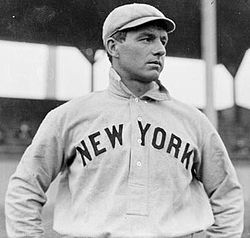
Joseph Jerome McGinnity (March 20, 1871 – November 14, 1929) was an American right-handed pitcher in Major League Baseball (MLB) in the late 19th and early 20th century. McGinnity played in MLB for ten years, pitching for the National League's (NL) Baltimore Orioles (1899) and Brooklyn Superbas (1900), before jumping to the American League (AL) to play for the Baltimore Orioles (AL) (1901–1902). He returned to the NL with the New York Giants (1902–1908). McGinnity continued to pitch in the minor leagues, eventually retiring from baseball for good at the age of 54.
In MLB, he won 246 games with a 2.66 earned run average (ERA). He had seven 20-win seasons and two 30-win seasons. Including his time in the minor leagues, McGinnity won close to 500 games as a professional ballplayer. He led MLB in wins five times (1899, 1900, 1903, 1904, and 1906) and ERA once (1904). With the Giants, he won the 1905 World Series. His teams also won NL pennants in 1900 and 1904.
McGinnity was nicknamed "Iron Man" because he worked in an iron foundry during the baseball offseasons. His nickname came to convey his longevity and durability, as he routinely pitched in both games of doubleheaders. He set an NL record for innings pitched (434) in a single season, which still stands (and with modern MLB practices which limit pitchers' innings, is considered effectively unbreakable). McGinnity is considered one of the better players in the history of the New York Giants. The Veterans Committee elected him to the National Baseball Hall of Fame in 1946.
McGinnity's father, Peter, was born in Dublin, Ireland. His last name was McGinity before he came to United States. He changed it by adding an "n" after he emigrated to the United States in 1861. Peter worked in coal mines and on the farm owned by John and Rebecca Denning, and they accepted him, allowing him to move in with them in their Henry County farm. John and Rebecca moved to Oregon, leaving the homestead in the hands of Peter and their daughter, Hannah. The two married in August 1865, three months before the birth of their first son, William. Their second son, Peter, was born in 1869, and Joe was their third born. Joseph Jerome McGinnity was born on March 20, 1871, in Cornwall Township, Illinois. The McGinnitys had four more children.
Joe received little formal schooling. Due to the transient lifestyle of coal miners, his family moved frequently during his childhood. The McGinnitys moved to Gallatin County in 1878. Two days after the birth of their seventh child, Peter died in an accident. At the age of eight, Joe and his older brothers went to work in the mines to support their family. In 1880, the family moved to Springfield, Illinois, where Joe and his brothers worked for the Springfield Coal Company. They moved to Decatur, Illinois, less than six months later, continuing to mine coal, while their mother cleaned houses.
While living in Decatur, McGinnity began playing baseball with other coal miners in their leisure time. The owner of the Decatur Coal Company founded the Decatur Baseball Association in 1886. An outfielder, McGinnity substituted for his team's pitcher in an 1888 game, which he won. He continued to pitch from that point on. He pitched for semi-professional teams based in Decatur in 1888 and 1889. His family headed west, stopping in the Indian Territory on their way to Montana, where Hannah's sister struck gold in their coal mine. McGinnity and his brothers worked in a coal mine in Krebs. There, he met his future wife, Mary Redpath, the oldest daughter of a fellow coal miner. McGinnity also played baseball for the local team. He increased baseball's popularity in the area, and was later referred to as "the father of Oklahoma baseball" by a sportswriter for The Oklahoman, as he organized, managed, and pitched for teams in Krebs. One of these teams began traveling to other towns along the Missouri–Kansas–Texas Railroad to play against their local teams. He also pitched for teams in neighboring towns.
I have never seen a pitcher with more confidence in himself than McGinnity had. He was so cocksure of his fielding ability that he would take any sort of chance, throwing to any base under any circumstance, and this fielding ability lifted him out of many tight spots.
John McCloskey, the manager of the minor league baseball Montgomery Colts of the Class-B Southern League, heard about McGinnity's pitching. McCloskey signed McGinnity, who made his professional debut with the Colts in 1893. McCloskey habitually baited umpires during games, a trait which McGinnity learned. The league folded as a result of financial troubles related to the Panic of 1893. Jimmie Manning, manager of the Southern League franchise in Savannah, Georgia, became manager of the Kansas City Blues of the Class-A Western League for the 1894 season, and signed McGinnity to pitch for the Blues. Combined for Montgomery and Kansas City, McGinnity had a 21–29 win–loss record, while walking more batters than he could strikeout, and allowing more than a hit per inning pitched. According to a Western League umpire, catcher Tim Donahue tipped McGinnity's pitches to opposing batters due to a personal feud. As McGinnity continued to struggle for Kansas City, he requested his release in June.
Joe McGinnity
Joseph Jerome McGinnity (March 20, 1871 – November 14, 1929) was an American right-handed pitcher in Major League Baseball (MLB) in the late 19th and early 20th century. McGinnity played in MLB for ten years, pitching for the National League's (NL) Baltimore Orioles (1899) and Brooklyn Superbas (1900), before jumping to the American League (AL) to play for the Baltimore Orioles (AL) (1901–1902). He returned to the NL with the New York Giants (1902–1908). McGinnity continued to pitch in the minor leagues, eventually retiring from baseball for good at the age of 54.
In MLB, he won 246 games with a 2.66 earned run average (ERA). He had seven 20-win seasons and two 30-win seasons. Including his time in the minor leagues, McGinnity won close to 500 games as a professional ballplayer. He led MLB in wins five times (1899, 1900, 1903, 1904, and 1906) and ERA once (1904). With the Giants, he won the 1905 World Series. His teams also won NL pennants in 1900 and 1904.
McGinnity was nicknamed "Iron Man" because he worked in an iron foundry during the baseball offseasons. His nickname came to convey his longevity and durability, as he routinely pitched in both games of doubleheaders. He set an NL record for innings pitched (434) in a single season, which still stands (and with modern MLB practices which limit pitchers' innings, is considered effectively unbreakable). McGinnity is considered one of the better players in the history of the New York Giants. The Veterans Committee elected him to the National Baseball Hall of Fame in 1946.
McGinnity's father, Peter, was born in Dublin, Ireland. His last name was McGinity before he came to United States. He changed it by adding an "n" after he emigrated to the United States in 1861. Peter worked in coal mines and on the farm owned by John and Rebecca Denning, and they accepted him, allowing him to move in with them in their Henry County farm. John and Rebecca moved to Oregon, leaving the homestead in the hands of Peter and their daughter, Hannah. The two married in August 1865, three months before the birth of their first son, William. Their second son, Peter, was born in 1869, and Joe was their third born. Joseph Jerome McGinnity was born on March 20, 1871, in Cornwall Township, Illinois. The McGinnitys had four more children.
Joe received little formal schooling. Due to the transient lifestyle of coal miners, his family moved frequently during his childhood. The McGinnitys moved to Gallatin County in 1878. Two days after the birth of their seventh child, Peter died in an accident. At the age of eight, Joe and his older brothers went to work in the mines to support their family. In 1880, the family moved to Springfield, Illinois, where Joe and his brothers worked for the Springfield Coal Company. They moved to Decatur, Illinois, less than six months later, continuing to mine coal, while their mother cleaned houses.
While living in Decatur, McGinnity began playing baseball with other coal miners in their leisure time. The owner of the Decatur Coal Company founded the Decatur Baseball Association in 1886. An outfielder, McGinnity substituted for his team's pitcher in an 1888 game, which he won. He continued to pitch from that point on. He pitched for semi-professional teams based in Decatur in 1888 and 1889. His family headed west, stopping in the Indian Territory on their way to Montana, where Hannah's sister struck gold in their coal mine. McGinnity and his brothers worked in a coal mine in Krebs. There, he met his future wife, Mary Redpath, the oldest daughter of a fellow coal miner. McGinnity also played baseball for the local team. He increased baseball's popularity in the area, and was later referred to as "the father of Oklahoma baseball" by a sportswriter for The Oklahoman, as he organized, managed, and pitched for teams in Krebs. One of these teams began traveling to other towns along the Missouri–Kansas–Texas Railroad to play against their local teams. He also pitched for teams in neighboring towns.
I have never seen a pitcher with more confidence in himself than McGinnity had. He was so cocksure of his fielding ability that he would take any sort of chance, throwing to any base under any circumstance, and this fielding ability lifted him out of many tight spots.
John McCloskey, the manager of the minor league baseball Montgomery Colts of the Class-B Southern League, heard about McGinnity's pitching. McCloskey signed McGinnity, who made his professional debut with the Colts in 1893. McCloskey habitually baited umpires during games, a trait which McGinnity learned. The league folded as a result of financial troubles related to the Panic of 1893. Jimmie Manning, manager of the Southern League franchise in Savannah, Georgia, became manager of the Kansas City Blues of the Class-A Western League for the 1894 season, and signed McGinnity to pitch for the Blues. Combined for Montgomery and Kansas City, McGinnity had a 21–29 win–loss record, while walking more batters than he could strikeout, and allowing more than a hit per inning pitched. According to a Western League umpire, catcher Tim Donahue tipped McGinnity's pitches to opposing batters due to a personal feud. As McGinnity continued to struggle for Kansas City, he requested his release in June.
Recent media
Recent media