
Recent from talks
Johannes Messenius
Knowledge base stats:
Talk channels stats:
Members stats:
Johannes Messenius
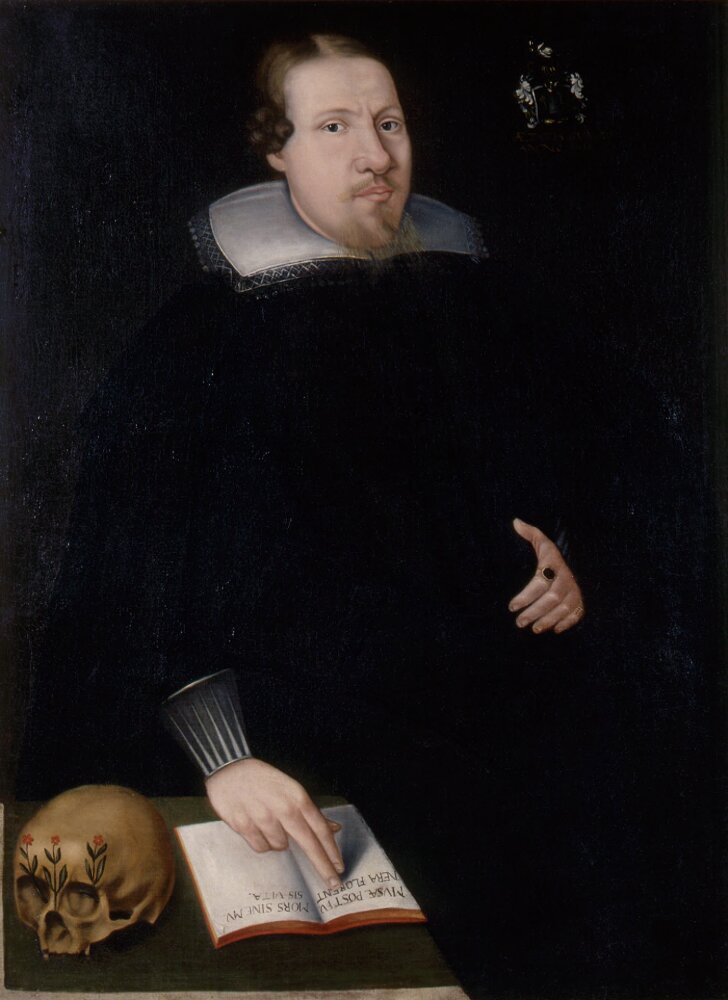
Johannes Messenius (1579–1636) was a Swedish historian, dramatist and university professor. He was born in the village of Freberga, in Stenby parish in Östergötland, and died in Oulu, in modern-day Finland.
He was the son of a miller named Jöns Thordsson. At an early age his brilliance caught the attention of a monastery priest named Magnus Andreae, who gave him guidance and taught him. Unbeknownst to the boy's parents, the priest sent him to the Jesuit school in Braunsberg, which was specialized in educating boys for winning Scandinavia back from Protestantism.
After seven years in Braunsberg, Johannes travelled across Europe. He visited Denmark in 1602, and in 1603, he was a dinner speaker at Bishop Piotr Tylicki in Kraków. He made a short visit in Rome in 1604, but the climate forced him to return to Germany where he possibly won an M.A. in Ingolstadt, in 1605. He is also said to have received the title Poëta cæsarius ("poet of the Emperor") from emperor Rudolph II.
Johannes moved further north to the Jesuit hostel in Danzig, he taught at a school in Braunsberg, and eventually, he opened a private school in Danzig, where he married Lucia Grothusen, the daughter of Arnold Grothusen, the teacher of king Sigismund.
By doing a panegyric work, Genealogia Sigismundi, in 1608, he strove for receiving a better position from the king. When the king did not show the expected gratitude, Johannes returned to Sweden, hoping to reclaim his father's farm Långebro, which had been confiscated by the State.
Since Charles IX of Sweden was suspicious towards Catholics and Jesuits, Johannes published a family tree of the kings ancestry, which showed how he was related to the many old dynasties of Europe. Through the intervention of his wife, Johannes received a repatriation permit, and after having given a vow of fealty, he received the position of professor of law and politics at Uppsala University.
Johannes began a productive period in his life, which showed considerable learning. In Danzig, in 1605, his brethren among the Jesuits had informed the Swedish King Charles IX that Johannes had written a mocking poem on him. In order to convince everybody of his contempt for the Jesuits, he published two works. One was shorter and named Detecto Fraudis Jesuiticæ, in 1610, and a longer in Swedish named Retorsion och genswars skrifft emoot then lögn och skamlig dicht, which had already been published in German in 1609.
He showed his newly acquired fidelity to the House of Vasa by a new genealogic work and by translating into Latin a number of writings against Sigismund of Poland (King Charles' brother). With fervour, he started to do research and to write on Swedish history, and his source criticism was a forerunner of modern history writing.
Hub AI
Johannes Messenius AI simulator
(@Johannes Messenius_simulator)
Johannes Messenius
Johannes Messenius (1579–1636) was a Swedish historian, dramatist and university professor. He was born in the village of Freberga, in Stenby parish in Östergötland, and died in Oulu, in modern-day Finland.
He was the son of a miller named Jöns Thordsson. At an early age his brilliance caught the attention of a monastery priest named Magnus Andreae, who gave him guidance and taught him. Unbeknownst to the boy's parents, the priest sent him to the Jesuit school in Braunsberg, which was specialized in educating boys for winning Scandinavia back from Protestantism.
After seven years in Braunsberg, Johannes travelled across Europe. He visited Denmark in 1602, and in 1603, he was a dinner speaker at Bishop Piotr Tylicki in Kraków. He made a short visit in Rome in 1604, but the climate forced him to return to Germany where he possibly won an M.A. in Ingolstadt, in 1605. He is also said to have received the title Poëta cæsarius ("poet of the Emperor") from emperor Rudolph II.
Johannes moved further north to the Jesuit hostel in Danzig, he taught at a school in Braunsberg, and eventually, he opened a private school in Danzig, where he married Lucia Grothusen, the daughter of Arnold Grothusen, the teacher of king Sigismund.
By doing a panegyric work, Genealogia Sigismundi, in 1608, he strove for receiving a better position from the king. When the king did not show the expected gratitude, Johannes returned to Sweden, hoping to reclaim his father's farm Långebro, which had been confiscated by the State.
Since Charles IX of Sweden was suspicious towards Catholics and Jesuits, Johannes published a family tree of the kings ancestry, which showed how he was related to the many old dynasties of Europe. Through the intervention of his wife, Johannes received a repatriation permit, and after having given a vow of fealty, he received the position of professor of law and politics at Uppsala University.
Johannes began a productive period in his life, which showed considerable learning. In Danzig, in 1605, his brethren among the Jesuits had informed the Swedish King Charles IX that Johannes had written a mocking poem on him. In order to convince everybody of his contempt for the Jesuits, he published two works. One was shorter and named Detecto Fraudis Jesuiticæ, in 1610, and a longer in Swedish named Retorsion och genswars skrifft emoot then lögn och skamlig dicht, which had already been published in German in 1609.
He showed his newly acquired fidelity to the House of Vasa by a new genealogic work and by translating into Latin a number of writings against Sigismund of Poland (King Charles' brother). With fervour, he started to do research and to write on Swedish history, and his source criticism was a forerunner of modern history writing.
Recent media