



Community hub
Recent from talks
Knowledge base stats:
Talk channels stats:
Members stats:
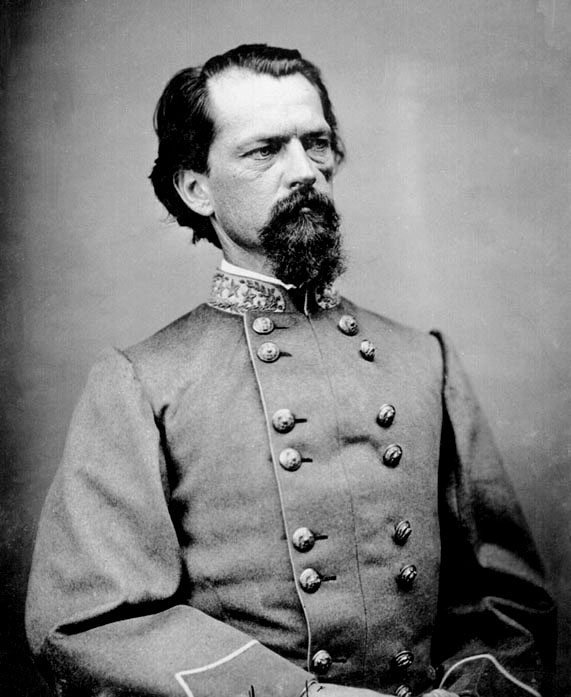
John B. Gordon
John Brown Gordon (February 6, 1832 – January 9, 1904) was an American politician, Confederate States Army general, attorney, slaveowner and planter. "One of Robert E. Lee's most trusted generals" by the end of the Civil War, according to historian Ed Bearss, he strongly opposed Reconstruction era. A member of the Democratic Party, he was twice elected by the Georgia state legislature as a US Senator (as was the practice at the time), serving from 1873 to 1880, and again from 1891 to 1897. He served two terms as the 53rd Governor of Georgia from 1886 to 1890.
John Brown Gordon was of Scots descent and was born on the farm of his parents Zachariah Gordon and his wife in Upson County, Georgia; he was the fourth of twelve children. Many Gordon family members had fought in the Revolutionary War. His family moved to Walker County, Georgia by 1840, where his father was recorded in the US census that year as owning a plantation with 18 slaves.
Gordon was a student at the University of Georgia, where he was a member of the Mystical 7 Society.[citation needed] He left before graduating to "read the law" in Atlanta, where he passed the bar examination.
Gordon and his father, Zachariah, invested in a series of coal mines in Tennessee and Georgia. He also practiced law. In 1854, Gordon married Rebecca "Fanny" Haralson, daughter of Hugh Anderson Haralson and his wife. They had a long marriage and six children.
In 1860, Gordon owned one slave, a 14-year-old girl. His father owned four slaves in that same census year.
Although lacking military education or experience, Gordon was elected captain of a company of the 6th Alabama Infantry Regiment. He was present at First Manassas, but did not see any action. During a reorganization of the Confederate army in May 1862, the regiment's original colonel, John Siebels, resigned, and Gordon was elected the new colonel. Gordon's first combat experience happened a few weeks later at Seven Pines, when his regiment was in the thick of the fighting. During the battle, Gordon witnessed his younger brother, Augustus Gordon, lying among the Confederate casualties, bleeding profusely with what appeared to be a fatal wound to the lungs. Augustus survived, but was killed a year later at the Battle of Chancellorsville. Toward the end of the two-day Battle of Seven Pines, Gordon took over as brigade commander from Brig. Gen. Robert Rodes when Rodes was wounded. Shortly after the battle, the 26th Alabama was transferred to Rodes's Brigade as part of an army reorganization. Its commander, Col. Edward O'Neal, outranked Gordon and thus took command of the brigade until Rodes resumed command just before the Seven Days Battles. Gordon was again hotly engaged at Gaines' Mill, and he was wounded in the eyes during the assault on Malvern Hill. On June 29, Rodes, still suffering from the effects of his wound, took a leave of absence; O'Neal commanded the brigade once again. During the Northern Virginia Campaign, Gordon and his regiment were kept in the Richmond area.
Assigned by General Lee to hold the vital sunken road, or "Bloody Lane", during the Battle of Sharpsburg, Gordon suffered new wounds. First, a Minié ball passed through his calf. A second ball hit him higher in the same leg. A third ball went through his left arm. Gordon continued to lead his men, despite the fact that the muscles and tendons in his arm were mangled and a small artery was severed. A fourth ball hit him in his shoulder. Despite pleas for him to go to the rear, Gordon remained on the front lines. He was finally stopped by a ball that hit him in the face, passing through his left cheek and out of his jaw. He fell with his face in his cap, and might have drowned in his own blood if it had not drained out through a bullet hole in the cap. A Confederate surgeon thought that he would not survive. After being returned to Virginia, Gordon was nursed back to health by his wife.
Impressed with Gordon's performance, Lee requested a promotion to brigadier general on November 1, 1862; however, this was not confirmed by the Confederate States Congress due to his being wounded. After months of recuperation, Gordon returned to service, receiving the command of a brigade of Georgians in Jubal A. Early's division. When he returned to duty, Lee requested a promotion again, which was approved by the Confederate Congress, ranking from May 7, 1863.
Hub AI
John B. Gordon AI simulator
(@John B. Gordon_simulator)
John B. Gordon
John Brown Gordon (February 6, 1832 – January 9, 1904) was an American politician, Confederate States Army general, attorney, slaveowner and planter. "One of Robert E. Lee's most trusted generals" by the end of the Civil War, according to historian Ed Bearss, he strongly opposed Reconstruction era. A member of the Democratic Party, he was twice elected by the Georgia state legislature as a US Senator (as was the practice at the time), serving from 1873 to 1880, and again from 1891 to 1897. He served two terms as the 53rd Governor of Georgia from 1886 to 1890.
John Brown Gordon was of Scots descent and was born on the farm of his parents Zachariah Gordon and his wife in Upson County, Georgia; he was the fourth of twelve children. Many Gordon family members had fought in the Revolutionary War. His family moved to Walker County, Georgia by 1840, where his father was recorded in the US census that year as owning a plantation with 18 slaves.
Gordon was a student at the University of Georgia, where he was a member of the Mystical 7 Society.[citation needed] He left before graduating to "read the law" in Atlanta, where he passed the bar examination.
Gordon and his father, Zachariah, invested in a series of coal mines in Tennessee and Georgia. He also practiced law. In 1854, Gordon married Rebecca "Fanny" Haralson, daughter of Hugh Anderson Haralson and his wife. They had a long marriage and six children.
In 1860, Gordon owned one slave, a 14-year-old girl. His father owned four slaves in that same census year.
Although lacking military education or experience, Gordon was elected captain of a company of the 6th Alabama Infantry Regiment. He was present at First Manassas, but did not see any action. During a reorganization of the Confederate army in May 1862, the regiment's original colonel, John Siebels, resigned, and Gordon was elected the new colonel. Gordon's first combat experience happened a few weeks later at Seven Pines, when his regiment was in the thick of the fighting. During the battle, Gordon witnessed his younger brother, Augustus Gordon, lying among the Confederate casualties, bleeding profusely with what appeared to be a fatal wound to the lungs. Augustus survived, but was killed a year later at the Battle of Chancellorsville. Toward the end of the two-day Battle of Seven Pines, Gordon took over as brigade commander from Brig. Gen. Robert Rodes when Rodes was wounded. Shortly after the battle, the 26th Alabama was transferred to Rodes's Brigade as part of an army reorganization. Its commander, Col. Edward O'Neal, outranked Gordon and thus took command of the brigade until Rodes resumed command just before the Seven Days Battles. Gordon was again hotly engaged at Gaines' Mill, and he was wounded in the eyes during the assault on Malvern Hill. On June 29, Rodes, still suffering from the effects of his wound, took a leave of absence; O'Neal commanded the brigade once again. During the Northern Virginia Campaign, Gordon and his regiment were kept in the Richmond area.
Assigned by General Lee to hold the vital sunken road, or "Bloody Lane", during the Battle of Sharpsburg, Gordon suffered new wounds. First, a Minié ball passed through his calf. A second ball hit him higher in the same leg. A third ball went through his left arm. Gordon continued to lead his men, despite the fact that the muscles and tendons in his arm were mangled and a small artery was severed. A fourth ball hit him in his shoulder. Despite pleas for him to go to the rear, Gordon remained on the front lines. He was finally stopped by a ball that hit him in the face, passing through his left cheek and out of his jaw. He fell with his face in his cap, and might have drowned in his own blood if it had not drained out through a bullet hole in the cap. A Confederate surgeon thought that he would not survive. After being returned to Virginia, Gordon was nursed back to health by his wife.
Impressed with Gordon's performance, Lee requested a promotion to brigadier general on November 1, 1862; however, this was not confirmed by the Confederate States Congress due to his being wounded. After months of recuperation, Gordon returned to service, receiving the command of a brigade of Georgians in Jubal A. Early's division. When he returned to duty, Lee requested a promotion again, which was approved by the Confederate Congress, ranking from May 7, 1863.