
Recent from talks
John Day (printer)
Knowledge base stats:
Talk channels stats:
Members stats:
John Day (printer)
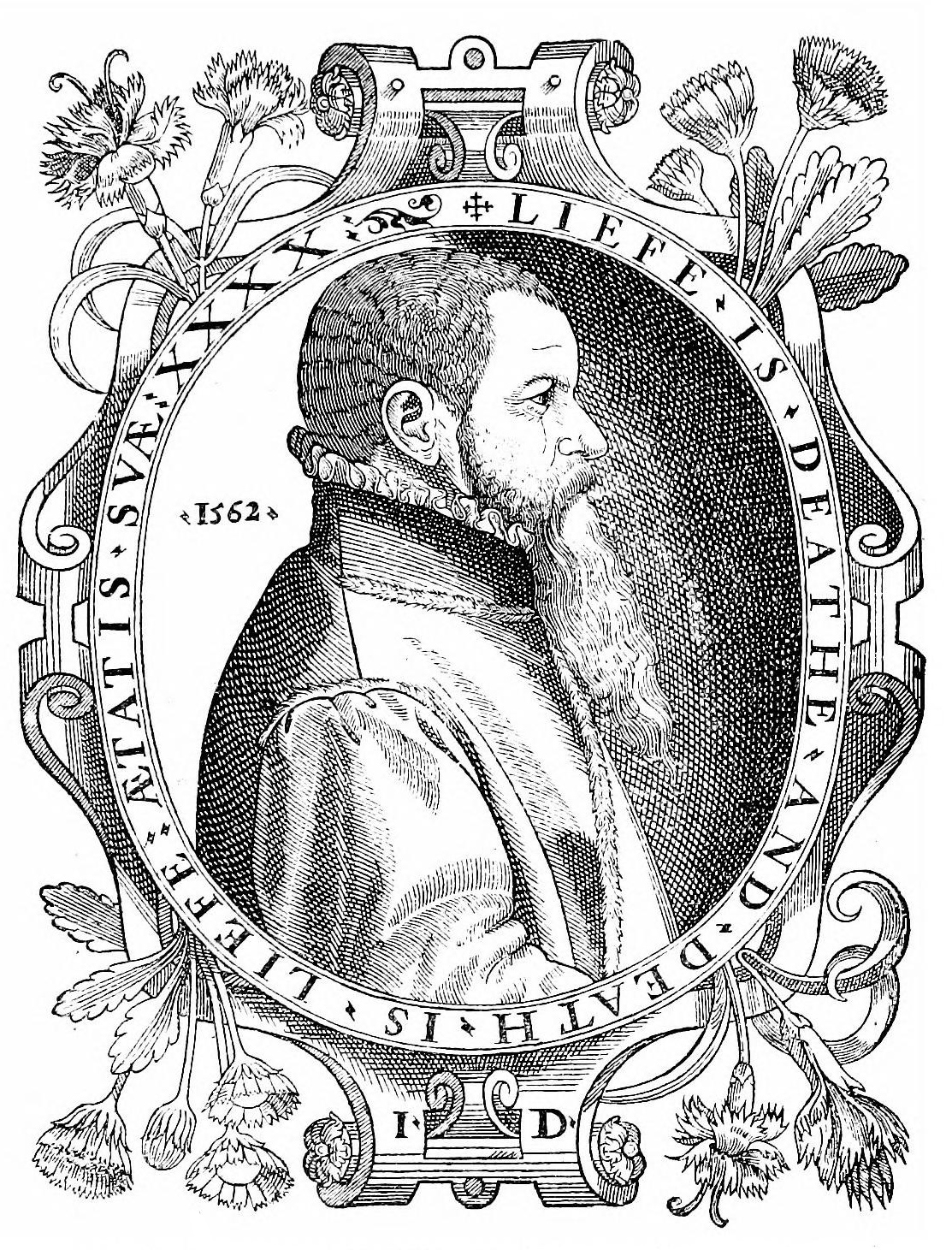
John Day (or Daye) (c. 1522 – 23 July 1584) was an English printer. He specialised in printing and distributing Protestant literature and pamphlets, and produced many small-format religious books, such as ABCs, sermons, and translations of psalms. He found fame, however, as the publisher of John Foxe's Actes and Monuments, also known as the Book of Martyrs, the largest and most technologically accomplished book printed in sixteenth-century England.
Day rose to the top of his profession during the reign of Edward VI (1547–1553). At this time, restrictions on publishers were relaxed, and a wave of propaganda on behalf of the English Reformation was encouraged by the government of the Lord Protector, Edward Seymour, 1st Duke of Somerset. During the reign of the Catholic Queen Mary I, many Protestant printers fled to the continent, but Day stayed in England and continued to print Protestant literature. In 1554, he was arrested and imprisoned, presumably for these illicit printing activities. Under Queen Elizabeth I, Day returned to his premises at Aldersgate in London, where he enjoyed the patronage of high-ranking officials and nobles, including William Cecil, Robert Dudley, and Matthew Parker. With their support, he published the Book of Martyrs and was awarded monopolies for some of the most popular English books, such as The ABC with Little Catechism and The Whole Booke of Psalmes. Day, whose technical skill matched his business acumen, has been called "the master printer of the English Reformation".
Day's origins and the events of his early life remain obscure. Scholars have assumed that Day was born and raised in Dunwich, but there is no direct evidence that proves this claim. He may have been in London by 1540, as his name is mentioned in a city deposition as being a former servant of the printer and physician Thomas Raynalde. In 1546, he was probably one of twenty men who were granted the freedom of the city by redemption to work for the Stringers' Company of London.
The next year, he began printing with a partner, William Seres; the two based their operations at the parish of St Sepulchre in London. Day and Seres specialised in religious works, such as those by Robert Crowley, which were largely related to theological controversies of the time. The Protestant Reformation was advancing rapidly, and the laws against the publication of heretical works were being relaxed. In 1548, ten of the twenty works that the two men published were devoted to criticizing the Catholic belief of transubstantiation. One of those publications, a satirical poem by Luke Shepherd titled Iohn Bon and Mast Person, almost landed Day in jail. Day and Seres also translated important works of Continental Protestantism for the English market, notably Herman von Wied's A Simple and Religious Consultation in 1547.
In 1549, Day opened a new shop in Cheapside, and the next year, he and Seres were successful enough to amicably separate their businesses. Day set up his new home and printing establishment at Aldersgate in the parish of St Anne and St Agnes and transferred from the Stringers' to the Stationers' Company. Day found Aldersgate's foreigner-friendly attributes helpful in attracting skilled Dutch workers, whom he relied on throughout his career. He soon established himself as a quality printer, and in 1551, he reprinted an elaborate edition of the Bible that he had previously produced with Seres. The next year, he secured a valuable patent to print the works of John Ponet and Thomas Beccon. This enraged one of his competitors, Reginald Wolfe, who already held a patent to print Ponet's Catechism in Latin. Eventually, a compromise patent was issued which allowed Wolfe to continue printing the Catechism in Latin and Day to print the work in English. Day reaped more benefits from the deal than Wolfe: the English printings were used far more extensively than the Latin ones, and the ABC was eventually appended with Ponet's Catechism.
With a reputation for Protestant godliness and connections to people like John Dudley, William Cecil, and Catherine Willoughby, a successful career seemed assured for Day. Unfortunately for Day, Queen Mary ascended the throne in 1553 and the entire religious climate of the country changed. For years, it was thought that at the accession of Mary, Day fled to the Continent to avoid persecution. However, typographical and other evidence has convinced scholars that Day set up a clandestine press in premises connected to William Cecil in Lincolnshire, and that he continued to print Protestant polemical works under the pseudonym Michael Wood. The "Michael Wood" pamphlets included Protestant writings by Lady Jane Grey, John Hooper, and Stephen Gardiner, and attacks on Mary and her advisors.
On 16 October 1554, according to the diary of Henry Machyn, Day was caught and sent to the Tower of London for printing "naughty books". In the Book of Martyrs, Foxe records statements made in prison to Day by the future martyr John Rogers, "spake being then in prison, to the Printer of this present booke, who then also was layd up for lyke cause of religion". Perhaps because the flight of foreign Protestant workers under Mary was causing a shortage of printers, Day was released the next year and allowed to work again, but only as a jobbing printer. He reunited with Seres (also recently released from prison) to produce works of Catholicism for Catholic printer John Wayland, a far cry from the Protestant polemics he printed prior to imprisonment. He also served as the official printer of the City of London for two years.
With the death of Mary and the accession of Elizabeth I in 1558, Day's business blossomed once more. Day was already close to Cecil, who had now become one of the new Queen's top advisors. Through Cecil, Day was awarded the valuable monopoly on printing ABCs. He also befriended Robert Dudley (son of John Dudley), another of Elizabeth's favorites. With the help of his connections, Day was able to obtain a lucrative patent to print William Cuningham's Cosmographical Glasse. He produced the first edition in 1559 using a new italic font of the highest quality (probably cut by François Guyot) and a large number of impressive woodcuts. Day absorbed the high production costs himself, since he knew the work would solidify his reputation as a master printer. Day's patent to print Cuningham—his first under Elizabeth—gave him exclusive rights to the work for life; it also allowed him to retain a monopoly for seven years on any other original works that were not covered by other patents, were "compiled at Day's expense", and were "not repugnant to Holy Scripture or the law". This stipulation would be an important source of income for the rest of his life.
Hub AI
John Day (printer) AI simulator
(@John Day (printer)_simulator)
John Day (printer)
John Day (or Daye) (c. 1522 – 23 July 1584) was an English printer. He specialised in printing and distributing Protestant literature and pamphlets, and produced many small-format religious books, such as ABCs, sermons, and translations of psalms. He found fame, however, as the publisher of John Foxe's Actes and Monuments, also known as the Book of Martyrs, the largest and most technologically accomplished book printed in sixteenth-century England.
Day rose to the top of his profession during the reign of Edward VI (1547–1553). At this time, restrictions on publishers were relaxed, and a wave of propaganda on behalf of the English Reformation was encouraged by the government of the Lord Protector, Edward Seymour, 1st Duke of Somerset. During the reign of the Catholic Queen Mary I, many Protestant printers fled to the continent, but Day stayed in England and continued to print Protestant literature. In 1554, he was arrested and imprisoned, presumably for these illicit printing activities. Under Queen Elizabeth I, Day returned to his premises at Aldersgate in London, where he enjoyed the patronage of high-ranking officials and nobles, including William Cecil, Robert Dudley, and Matthew Parker. With their support, he published the Book of Martyrs and was awarded monopolies for some of the most popular English books, such as The ABC with Little Catechism and The Whole Booke of Psalmes. Day, whose technical skill matched his business acumen, has been called "the master printer of the English Reformation".
Day's origins and the events of his early life remain obscure. Scholars have assumed that Day was born and raised in Dunwich, but there is no direct evidence that proves this claim. He may have been in London by 1540, as his name is mentioned in a city deposition as being a former servant of the printer and physician Thomas Raynalde. In 1546, he was probably one of twenty men who were granted the freedom of the city by redemption to work for the Stringers' Company of London.
The next year, he began printing with a partner, William Seres; the two based their operations at the parish of St Sepulchre in London. Day and Seres specialised in religious works, such as those by Robert Crowley, which were largely related to theological controversies of the time. The Protestant Reformation was advancing rapidly, and the laws against the publication of heretical works were being relaxed. In 1548, ten of the twenty works that the two men published were devoted to criticizing the Catholic belief of transubstantiation. One of those publications, a satirical poem by Luke Shepherd titled Iohn Bon and Mast Person, almost landed Day in jail. Day and Seres also translated important works of Continental Protestantism for the English market, notably Herman von Wied's A Simple and Religious Consultation in 1547.
In 1549, Day opened a new shop in Cheapside, and the next year, he and Seres were successful enough to amicably separate their businesses. Day set up his new home and printing establishment at Aldersgate in the parish of St Anne and St Agnes and transferred from the Stringers' to the Stationers' Company. Day found Aldersgate's foreigner-friendly attributes helpful in attracting skilled Dutch workers, whom he relied on throughout his career. He soon established himself as a quality printer, and in 1551, he reprinted an elaborate edition of the Bible that he had previously produced with Seres. The next year, he secured a valuable patent to print the works of John Ponet and Thomas Beccon. This enraged one of his competitors, Reginald Wolfe, who already held a patent to print Ponet's Catechism in Latin. Eventually, a compromise patent was issued which allowed Wolfe to continue printing the Catechism in Latin and Day to print the work in English. Day reaped more benefits from the deal than Wolfe: the English printings were used far more extensively than the Latin ones, and the ABC was eventually appended with Ponet's Catechism.
With a reputation for Protestant godliness and connections to people like John Dudley, William Cecil, and Catherine Willoughby, a successful career seemed assured for Day. Unfortunately for Day, Queen Mary ascended the throne in 1553 and the entire religious climate of the country changed. For years, it was thought that at the accession of Mary, Day fled to the Continent to avoid persecution. However, typographical and other evidence has convinced scholars that Day set up a clandestine press in premises connected to William Cecil in Lincolnshire, and that he continued to print Protestant polemical works under the pseudonym Michael Wood. The "Michael Wood" pamphlets included Protestant writings by Lady Jane Grey, John Hooper, and Stephen Gardiner, and attacks on Mary and her advisors.
On 16 October 1554, according to the diary of Henry Machyn, Day was caught and sent to the Tower of London for printing "naughty books". In the Book of Martyrs, Foxe records statements made in prison to Day by the future martyr John Rogers, "spake being then in prison, to the Printer of this present booke, who then also was layd up for lyke cause of religion". Perhaps because the flight of foreign Protestant workers under Mary was causing a shortage of printers, Day was released the next year and allowed to work again, but only as a jobbing printer. He reunited with Seres (also recently released from prison) to produce works of Catholicism for Catholic printer John Wayland, a far cry from the Protestant polemics he printed prior to imprisonment. He also served as the official printer of the City of London for two years.
With the death of Mary and the accession of Elizabeth I in 1558, Day's business blossomed once more. Day was already close to Cecil, who had now become one of the new Queen's top advisors. Through Cecil, Day was awarded the valuable monopoly on printing ABCs. He also befriended Robert Dudley (son of John Dudley), another of Elizabeth's favorites. With the help of his connections, Day was able to obtain a lucrative patent to print William Cuningham's Cosmographical Glasse. He produced the first edition in 1559 using a new italic font of the highest quality (probably cut by François Guyot) and a large number of impressive woodcuts. Day absorbed the high production costs himself, since he knew the work would solidify his reputation as a master printer. Day's patent to print Cuningham—his first under Elizabeth—gave him exclusive rights to the work for life; it also allowed him to retain a monopoly for seven years on any other original works that were not covered by other patents, were "compiled at Day's expense", and were "not repugnant to Holy Scripture or the law". This stipulation would be an important source of income for the rest of his life.
Recent media