
Recent from talks
John Gilbert (actor)
Knowledge base stats:
Talk channels stats:
Members stats:
John Gilbert (actor)
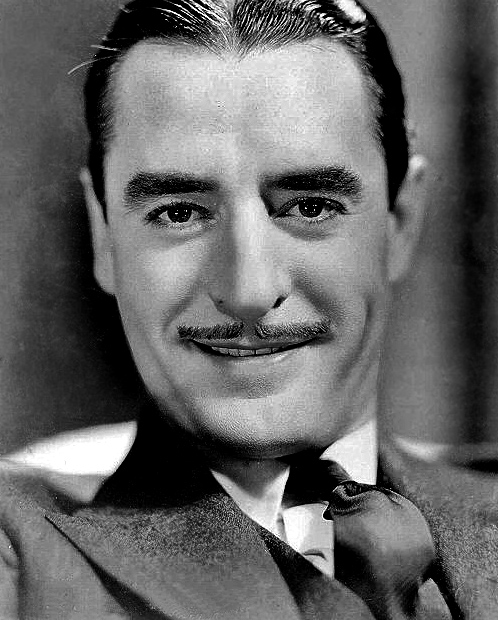
John Gilbert (born John Cecil Pringle; July 10, 1897 – January 9, 1936) was an American actor, screenwriter and director. He rose to fame during the silent era and became a popular leading man known as "The Great Lover". His breakthrough came in 1925 with his starring roles in The Merry Widow and The Big Parade. At the height of his career, Gilbert rivaled Rudolph Valentino as a box office draw.
Gilbert's career declined precipitously when silent pictures gave way to talkies, persistently attributed to his "squeaky voice". This has been called into question in later years, with his lower-class diction in speaking roles and personally-motivated studio interference providing alternative explanations. Gilbert is often cited as a high-profile example of an actor who was unsuccessful in making the transition to sound films.
Born John Cecil Pringle in Logan, Utah, to stock-company actor parents, John George Pringle (1865–1929) and Ida Adair Apperly Gilbert (1877–1913), he struggled through a childhood of abuse and neglect, with his family moving frequently and young "Jack" having to attend assorted schools throughout the United States. When his family finally settled in California, he attended Hitchcock Military Academy in San Rafael. After he left school, Gilbert worked as a rubber goods salesman in San Francisco, then performed with the Baker Stock Company in Portland, Oregon, in 1914. He subsequently found work the following year as a stage manager in another stock company in Spokane, Washington, but he soon lost that job when the company went out of business.
After losing his stage job in 1915, Gilbert decided to try screen acting, and quickly gained work as a film extra through Herschell Mayall. Gilbert first appeared in The Mother Instinct (1915), a short directed by Wilfred Lucas. He then found work as an extra with the Thomas Ince Studios in productions such as The Coward (1915), Aloha Oe (1915), Civilization (1915), The Last Act (1916), and William Hart's Hell's Hinges (1916).
During his initial years in films, Gilbert also performed in releases by Kay-Bee Company such as Matrimony (1915), The Corner (1915), Eye of the Night (1916), and Bullets and Brown Eyes (1916). His first major costarring role was as Willie Hudson in The Apostle of Vengeance, also with William S. Hart. Viewed by studio executives as a promising but still "juvenile" actor at this stage of his career, Gilbert's contract salary was $40 a week ($1,183 today), fairly ample pay for most American workers in the early 1900s. Gilbert continued to get more substantial parts at Kay-Bee, which billed him as "Jack Gilbert" in The Aryan (1916), The Phantom (1916), Shell 43 (1916), The Sin Ye Do (1917), The Weaker Sex (1917), and The Bride of Hate (1917). His first true leading role was in Princess of the Dark (1917) with Enid Bennett, but the film was not a big success and he went back to supporting roles in The Dark Road (1917), Happiness (1917), The Millionaire Vagrant (1917), and The Hater of Men (1917).
Gilbert went over to Triangle Films where he was in The Mother Instinct (1917), Golden Rule Kate (1917), The Devil Dodger (1917) (second billed), Up or Down? (1917), and Nancy Comes Home (1918). For Paralta Plays, Gilbert did Shackled (1918), One Dollar Bid (1918), and Wedlock (1918) and More Trouble (1918) for Anderson, but the company went bankrupt. He also was cast in Doing Their Bit (1918) at Fox and then returned to Triangle for The Mask (1918). Gilbert also did Three X Gordon (1918) for Jesse Hampton, The Dawn of Understanding (1918), The White Heather (1919) for Maurice Tourneur, The Busher (1919) for Thomas Ince, The Man Beneath for Haworth, A Little Brother of the Rich (1919) for Universal, The Red Viper (1919) for Tyrad, For a Woman's Honor (1919) for Jess Hampton, Widow by Proxy (1919) for Paramount, Heart o' the Hills (1919) for Mary Pickford, and Should a Woman Tell? (1919) for Screen Classics.
Maurice Tourneur signed him to a contract to both write and act in films. Gilbert performed in and co-wrote The White Circle (1920), The Great Redeemer (1921), and Deep Waters (1921). As a writer only, he worked on The Bait (1921), which starred and was produced by Hope Hampton. For Hampton, Gilbert wrote and directed as well, but he did not appear in Love's Penalty (1921).
In 1921, Gilbert signed a three-year contract with Fox Film Corporation, which subsequently cast him in romantic leading roles and promoted him now as "John Gilbert". The actor's first starring part for the studio was in Shame (1921). He followed it with leading roles in Arabian Love (1922), Gleam O'Dawn (1922), The Yellow Stain (1922), Honor First (1922), Monte Cristo (1922), Calvert's Valley (1922), The Love Gambler (1922), and A California Romance (1922). Many of the scenarios for these films were written by Jules Furthman.
Hub AI
John Gilbert (actor) AI simulator
(@John Gilbert (actor)_simulator)
John Gilbert (actor)
John Gilbert (born John Cecil Pringle; July 10, 1897 – January 9, 1936) was an American actor, screenwriter and director. He rose to fame during the silent era and became a popular leading man known as "The Great Lover". His breakthrough came in 1925 with his starring roles in The Merry Widow and The Big Parade. At the height of his career, Gilbert rivaled Rudolph Valentino as a box office draw.
Gilbert's career declined precipitously when silent pictures gave way to talkies, persistently attributed to his "squeaky voice". This has been called into question in later years, with his lower-class diction in speaking roles and personally-motivated studio interference providing alternative explanations. Gilbert is often cited as a high-profile example of an actor who was unsuccessful in making the transition to sound films.
Born John Cecil Pringle in Logan, Utah, to stock-company actor parents, John George Pringle (1865–1929) and Ida Adair Apperly Gilbert (1877–1913), he struggled through a childhood of abuse and neglect, with his family moving frequently and young "Jack" having to attend assorted schools throughout the United States. When his family finally settled in California, he attended Hitchcock Military Academy in San Rafael. After he left school, Gilbert worked as a rubber goods salesman in San Francisco, then performed with the Baker Stock Company in Portland, Oregon, in 1914. He subsequently found work the following year as a stage manager in another stock company in Spokane, Washington, but he soon lost that job when the company went out of business.
After losing his stage job in 1915, Gilbert decided to try screen acting, and quickly gained work as a film extra through Herschell Mayall. Gilbert first appeared in The Mother Instinct (1915), a short directed by Wilfred Lucas. He then found work as an extra with the Thomas Ince Studios in productions such as The Coward (1915), Aloha Oe (1915), Civilization (1915), The Last Act (1916), and William Hart's Hell's Hinges (1916).
During his initial years in films, Gilbert also performed in releases by Kay-Bee Company such as Matrimony (1915), The Corner (1915), Eye of the Night (1916), and Bullets and Brown Eyes (1916). His first major costarring role was as Willie Hudson in The Apostle of Vengeance, also with William S. Hart. Viewed by studio executives as a promising but still "juvenile" actor at this stage of his career, Gilbert's contract salary was $40 a week ($1,183 today), fairly ample pay for most American workers in the early 1900s. Gilbert continued to get more substantial parts at Kay-Bee, which billed him as "Jack Gilbert" in The Aryan (1916), The Phantom (1916), Shell 43 (1916), The Sin Ye Do (1917), The Weaker Sex (1917), and The Bride of Hate (1917). His first true leading role was in Princess of the Dark (1917) with Enid Bennett, but the film was not a big success and he went back to supporting roles in The Dark Road (1917), Happiness (1917), The Millionaire Vagrant (1917), and The Hater of Men (1917).
Gilbert went over to Triangle Films where he was in The Mother Instinct (1917), Golden Rule Kate (1917), The Devil Dodger (1917) (second billed), Up or Down? (1917), and Nancy Comes Home (1918). For Paralta Plays, Gilbert did Shackled (1918), One Dollar Bid (1918), and Wedlock (1918) and More Trouble (1918) for Anderson, but the company went bankrupt. He also was cast in Doing Their Bit (1918) at Fox and then returned to Triangle for The Mask (1918). Gilbert also did Three X Gordon (1918) for Jesse Hampton, The Dawn of Understanding (1918), The White Heather (1919) for Maurice Tourneur, The Busher (1919) for Thomas Ince, The Man Beneath for Haworth, A Little Brother of the Rich (1919) for Universal, The Red Viper (1919) for Tyrad, For a Woman's Honor (1919) for Jess Hampton, Widow by Proxy (1919) for Paramount, Heart o' the Hills (1919) for Mary Pickford, and Should a Woman Tell? (1919) for Screen Classics.
Maurice Tourneur signed him to a contract to both write and act in films. Gilbert performed in and co-wrote The White Circle (1920), The Great Redeemer (1921), and Deep Waters (1921). As a writer only, he worked on The Bait (1921), which starred and was produced by Hope Hampton. For Hampton, Gilbert wrote and directed as well, but he did not appear in Love's Penalty (1921).
In 1921, Gilbert signed a three-year contract with Fox Film Corporation, which subsequently cast him in romantic leading roles and promoted him now as "John Gilbert". The actor's first starring part for the studio was in Shame (1921). He followed it with leading roles in Arabian Love (1922), Gleam O'Dawn (1922), The Yellow Stain (1922), Honor First (1922), Monte Cristo (1922), Calvert's Valley (1922), The Love Gambler (1922), and A California Romance (1922). Many of the scenarios for these films were written by Jules Furthman.
Recent media