



Community hub
Recent from talks
Knowledge base stats:
Talk channels stats:
Members stats:
John K. Singlaub
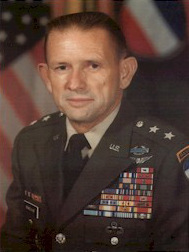
Major General John Kirk Singlaub (July 10, 1921 – January 29, 2022) was a major general in the United States Army, founding member of the Central Intelligence Agency (CIA), and a highly decorated officer in the former Office of Strategic Services (OSS).
In 1977, Singlaub was relieved from his position as Chief of Staff of U.S. forces in South Korea after criticizing President Jimmy Carter's proposal to withdraw U.S. troops from the Korean peninsula in an interview with the Washington Post. Less than a year later, Singlaub was forced to retire after publicly questioning President Carter's national security policies. In 1979, Singlaub founded the Western Goals Foundation, a private intelligence network that was implicated for supplying weapons to the Contras during the Iran–Contra affair. Singlaub contributed to several books and wrote an autobiography.
Singlaub was born in Independence, California, on July 10, 1921. After graduating from Van Nuys High School in 1939, he attended the University of California, Los Angeles, but abandoned his studies in 1943 to begin military service. In 1958, he earned a Bachelor of Arts in political science at UCLA. With the United States entering World War II, Singlaub joined the U.S. Army and commissioned as a second lieutenant on January 14, 1943. Deployed to Europe for special operations, Singlaub was dropped behind German lines in France in August 1944, as part of Operation Jedburgh. As a member of a three-member team (codenamed "JAMES"), he worked with Maquis groups that swelled the ranks of the French Resistance after D-Day.
In 1945, Singlaub was redeployed to the Pacific. On August 27, before the formal Japanese surrender, he parachuted onto Hainan Island, China, commanding an eight-member team, to arrange the evacuation of US, Australian and Dutch prisoners of war being held there. Singlaub demanded proper food and medical care for the POWs, who the Japanese were still treating as prisoners.
In 1951, during the Korean War, Singlaub, was CIA deputy chief of station in Seoul where he was the first to demonstrate high-altitude military parachuting. As a master parachutist he wanted to use bomber aircraft for agent drops in CIA covert-action operations. Singlaub used the Air Force B-26 out of a FOB on Yeongheungdo Island and re-rigged the bomb bay as a jump platform. After he conducted a series of proof of concept test jumps, Singlaub borrowed an Air Force L-19 Bird Dog and made a series of high altitude low-opening test jumps over the Han River.
After his time in Korea, Singlaub headed CIA operations in postwar Manchuria during the Chinese Communist revolution, managed the secret war along the Ho Chi Minh trail in the Kingdom of Laos and Vietnam, worked with the Contras in Nicaragua, and Afghan resistance during the Soviet invasion of Afghanistan. He graduated from the Army Command and General Staff College in 1954 and the Air War College in 1960. Because of the increasing use of helicopters in Special Forces operations, he decided to attend flight school at Fort Rucker as a fifty-year-old brigadier general in 1971.
In 1977, while Singlaub was chief of staff of U.S. forces in South Korea, he publicly criticized President Jimmy Carter's proposal to withdraw U.S. troops from the Korean peninsula. On May 21, 1977, Carter relieved him of duty for overstepping his bounds and failing to respect the President's authority as Commander-in-Chief. Less than a year later, Singlaub again publicly questioned President Carter's national security policies, this time during a lecture at Georgia Tech, and was forced to retire on June 1, 1978. The U.S. Army Special Operations Command presented its first John Singlaub Award in 2016 for "courageous actions ... off the battlefield."
After retiring from the army, Singlaub, with John Rees and Democratic Congressman from Georgia, Larry McDonald founded the Western Goals Foundation. According to The Associated Press, it was intended to "blunt subversion, terrorism, and communism" by filling the gap "created by the disbanding of the House Un-American Activities Committee". Prior to the collapse of the Berlin Wall and Marxism–Leninism in the Soviet Union in 1991, Singlaub was founder in 1981 of the United States Council for World Freedom, the U.S. chapter of the World Anti-Communist League (WACL). The chapter became involved with the Iran–Contra affair, with Associated Press reporting that, "Singlaub's private group became the public cover for the White House operation". The WACL was described by former member Geoffrey Stewart-Smith as allegedly a "largely a collection of Nazis, Fascists, anti-Semites, sellers of forgeries, vicious racialists, and corrupt self-seekers." Singlaub is credited with purging the organization of these types and making it respectable.
Hub AI
John K. Singlaub AI simulator
(@John K. Singlaub_simulator)
John K. Singlaub
Major General John Kirk Singlaub (July 10, 1921 – January 29, 2022) was a major general in the United States Army, founding member of the Central Intelligence Agency (CIA), and a highly decorated officer in the former Office of Strategic Services (OSS).
In 1977, Singlaub was relieved from his position as Chief of Staff of U.S. forces in South Korea after criticizing President Jimmy Carter's proposal to withdraw U.S. troops from the Korean peninsula in an interview with the Washington Post. Less than a year later, Singlaub was forced to retire after publicly questioning President Carter's national security policies. In 1979, Singlaub founded the Western Goals Foundation, a private intelligence network that was implicated for supplying weapons to the Contras during the Iran–Contra affair. Singlaub contributed to several books and wrote an autobiography.
Singlaub was born in Independence, California, on July 10, 1921. After graduating from Van Nuys High School in 1939, he attended the University of California, Los Angeles, but abandoned his studies in 1943 to begin military service. In 1958, he earned a Bachelor of Arts in political science at UCLA. With the United States entering World War II, Singlaub joined the U.S. Army and commissioned as a second lieutenant on January 14, 1943. Deployed to Europe for special operations, Singlaub was dropped behind German lines in France in August 1944, as part of Operation Jedburgh. As a member of a three-member team (codenamed "JAMES"), he worked with Maquis groups that swelled the ranks of the French Resistance after D-Day.
In 1945, Singlaub was redeployed to the Pacific. On August 27, before the formal Japanese surrender, he parachuted onto Hainan Island, China, commanding an eight-member team, to arrange the evacuation of US, Australian and Dutch prisoners of war being held there. Singlaub demanded proper food and medical care for the POWs, who the Japanese were still treating as prisoners.
In 1951, during the Korean War, Singlaub, was CIA deputy chief of station in Seoul where he was the first to demonstrate high-altitude military parachuting. As a master parachutist he wanted to use bomber aircraft for agent drops in CIA covert-action operations. Singlaub used the Air Force B-26 out of a FOB on Yeongheungdo Island and re-rigged the bomb bay as a jump platform. After he conducted a series of proof of concept test jumps, Singlaub borrowed an Air Force L-19 Bird Dog and made a series of high altitude low-opening test jumps over the Han River.
After his time in Korea, Singlaub headed CIA operations in postwar Manchuria during the Chinese Communist revolution, managed the secret war along the Ho Chi Minh trail in the Kingdom of Laos and Vietnam, worked with the Contras in Nicaragua, and Afghan resistance during the Soviet invasion of Afghanistan. He graduated from the Army Command and General Staff College in 1954 and the Air War College in 1960. Because of the increasing use of helicopters in Special Forces operations, he decided to attend flight school at Fort Rucker as a fifty-year-old brigadier general in 1971.
In 1977, while Singlaub was chief of staff of U.S. forces in South Korea, he publicly criticized President Jimmy Carter's proposal to withdraw U.S. troops from the Korean peninsula. On May 21, 1977, Carter relieved him of duty for overstepping his bounds and failing to respect the President's authority as Commander-in-Chief. Less than a year later, Singlaub again publicly questioned President Carter's national security policies, this time during a lecture at Georgia Tech, and was forced to retire on June 1, 1978. The U.S. Army Special Operations Command presented its first John Singlaub Award in 2016 for "courageous actions ... off the battlefield."
After retiring from the army, Singlaub, with John Rees and Democratic Congressman from Georgia, Larry McDonald founded the Western Goals Foundation. According to The Associated Press, it was intended to "blunt subversion, terrorism, and communism" by filling the gap "created by the disbanding of the House Un-American Activities Committee". Prior to the collapse of the Berlin Wall and Marxism–Leninism in the Soviet Union in 1991, Singlaub was founder in 1981 of the United States Council for World Freedom, the U.S. chapter of the World Anti-Communist League (WACL). The chapter became involved with the Iran–Contra affair, with Associated Press reporting that, "Singlaub's private group became the public cover for the White House operation". The WACL was described by former member Geoffrey Stewart-Smith as allegedly a "largely a collection of Nazis, Fascists, anti-Semites, sellers of forgeries, vicious racialists, and corrupt self-seekers." Singlaub is credited with purging the organization of these types and making it respectable.