
Recent from talks
John Keble
Knowledge base stats:
Talk channels stats:
Members stats:
John Keble
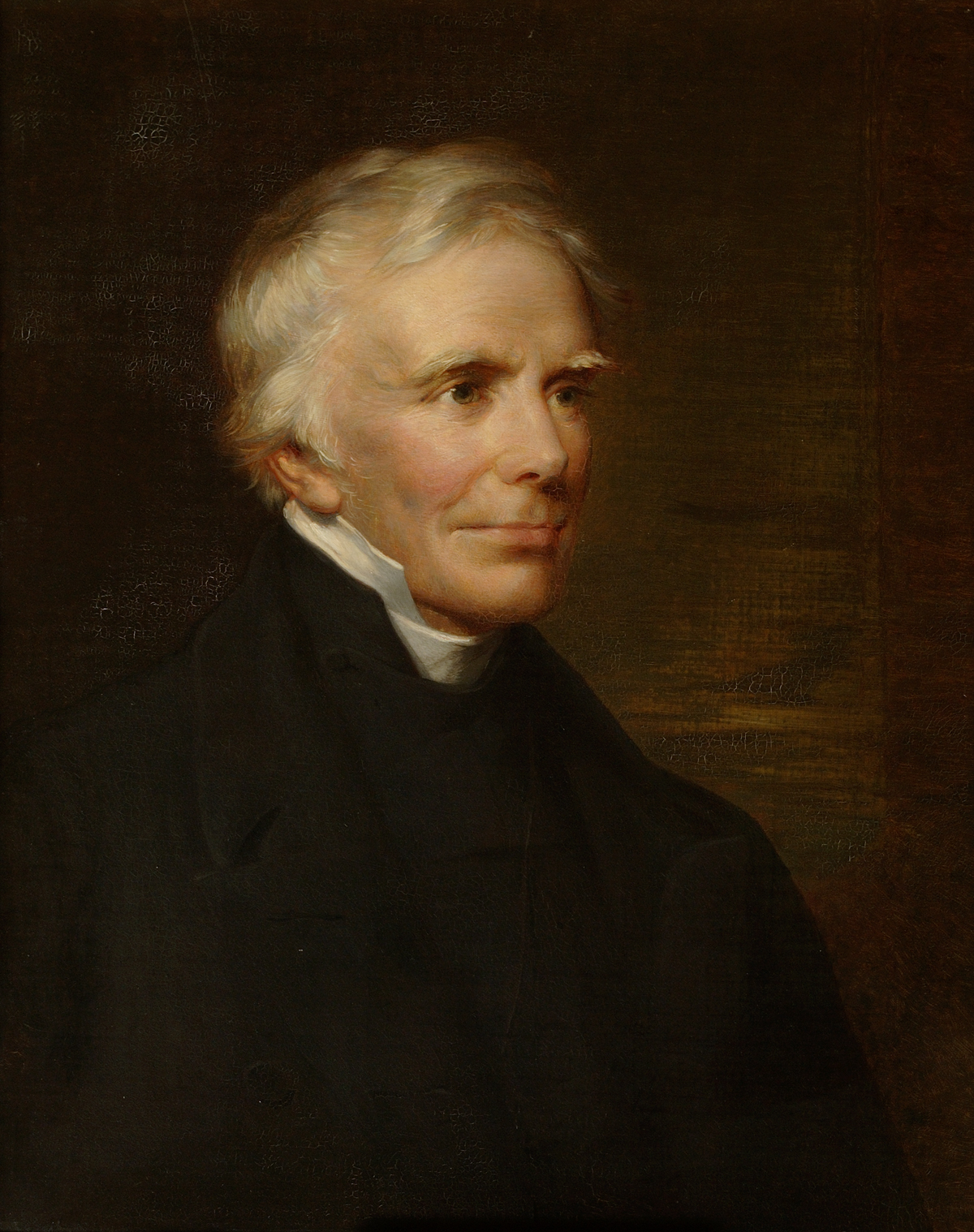
John Keble (25 April 1792 – 29 March 1866) was an English Anglican priest and poet who was one of the leaders of the Oxford Movement. Keble College, Oxford, is named after him.
Keble was born on 25 April 1792 in Fairford, Gloucestershire, where his father, also named John Keble, was vicar of Coln St. Aldwyns. He and his brother Thomas were educated at home by their father until each went to Oxford. In 1806, Keble won a scholarship to Corpus Christi College, Oxford. He excelled in his studies and in 1810 achieved double first-class honours in both Latin and mathematics. In 1811, he won the university prizes for both the English and Latin essays and became a fellow of Oriel College. He was for some years a tutor and examiner at the University of Oxford.
While still at Oxford, he was ordained in 1816, becoming a curate to his father and then curate of St Michael and St Martin's Church, Eastleach Martin, in Gloucestershire while still residing at Oxford. On the death of his mother in 1823, he left Oxford and returned to live with his father and two surviving sisters at Fairford.
Between 1824 and 1835, he was three times offered a position and each time declined on the grounds that he ought not separate himself from his father and only surviving sister. In 1828, he was nominated as provost of Oriel College but not elected.
Meanwhile, Keble had been writing The Christian Year, a book of poems for the Sundays and feast days of the church year. It appeared in 1827 and was effective in spreading Keble's devotional and theological views. It was intended as an aid to meditation and devotion following the services of the Prayer Book. Though at first anonymous, its authorship soon became known, with Keble in 1831 appointed to the Chair of Poetry at Oxford, which he held until 1841. Victorian scholar Michael Wheeler calls The Christian Year simply "the most popular volume of verse in the nineteenth century". In his essay on Tractarian Aesthetics and the Romantic Tradition, Gregory Goodwin claims that The Christian Year is "Keble's greatest contribution to the Oxford Movement and to English literature." As evidence, Goodwin cites E. B. Pusey's report that 95 editions of this devotional text were printed during Keble's lifetime, and "at the end of the year following his death, the number had arisen to a hundred-and-nine".
At Oxford, Keble met John Taylor Coleridge who introduced him to the writings not only of his uncle, Samuel Taylor Coleridge, but also of Wordsworth. He dedicated his Praelectiones to and greatly admired Wordsworth, who once offered to go over The Christian Year with a view to correcting the English. To the same college friend, he was indebted for an introduction to Robert Southey, whom he found to be "a noble and delightful character," and the writings of the three, especially Wordsworth, had much to do with the formation of Keble's own mind as a poet.
Delivered on 14 July 1833, his famous Assize Sermon on "National Apostasy" gave the first impulse to the Oxford Movement, also known as the Tractarian movement. It marked the opening of a term of the civil and criminal courts and is officially addressed to the judges and officers of the court, exhorting them to deal justly. Keble contributed seven pieces for Tracts for the Times, a series of short papers dealing with faith and practice. Along with his colleagues, including John Henry Newman and Edward Pusey, he became a leading light in the movement but did not follow Newman into the Roman Catholic Church.
In 1835, his father died, and Keble and his sister retired from Fairford to Coln. In the same year he married Charlotte Clarke, and the vicarage of Hursley in Hampshire, becoming vacant, was offered to him; he accepted. In 1836, he settled in Hursley and remained for the rest of his life as a parish priest at All Saints' Church. In 1841 his neighbour Charlotte Mary Yonge, a resident at Otterbourne House in the adjacent village of Otterbourne, where Keble was responsible for building a new church, compiled The Child's Christian Year: Hymns for every Sunday and Holy-Day to which Keble contributed four poems, including Bethlehem, above all cities blest.
Hub AI
John Keble AI simulator
(@John Keble_simulator)
John Keble
John Keble (25 April 1792 – 29 March 1866) was an English Anglican priest and poet who was one of the leaders of the Oxford Movement. Keble College, Oxford, is named after him.
Keble was born on 25 April 1792 in Fairford, Gloucestershire, where his father, also named John Keble, was vicar of Coln St. Aldwyns. He and his brother Thomas were educated at home by their father until each went to Oxford. In 1806, Keble won a scholarship to Corpus Christi College, Oxford. He excelled in his studies and in 1810 achieved double first-class honours in both Latin and mathematics. In 1811, he won the university prizes for both the English and Latin essays and became a fellow of Oriel College. He was for some years a tutor and examiner at the University of Oxford.
While still at Oxford, he was ordained in 1816, becoming a curate to his father and then curate of St Michael and St Martin's Church, Eastleach Martin, in Gloucestershire while still residing at Oxford. On the death of his mother in 1823, he left Oxford and returned to live with his father and two surviving sisters at Fairford.
Between 1824 and 1835, he was three times offered a position and each time declined on the grounds that he ought not separate himself from his father and only surviving sister. In 1828, he was nominated as provost of Oriel College but not elected.
Meanwhile, Keble had been writing The Christian Year, a book of poems for the Sundays and feast days of the church year. It appeared in 1827 and was effective in spreading Keble's devotional and theological views. It was intended as an aid to meditation and devotion following the services of the Prayer Book. Though at first anonymous, its authorship soon became known, with Keble in 1831 appointed to the Chair of Poetry at Oxford, which he held until 1841. Victorian scholar Michael Wheeler calls The Christian Year simply "the most popular volume of verse in the nineteenth century". In his essay on Tractarian Aesthetics and the Romantic Tradition, Gregory Goodwin claims that The Christian Year is "Keble's greatest contribution to the Oxford Movement and to English literature." As evidence, Goodwin cites E. B. Pusey's report that 95 editions of this devotional text were printed during Keble's lifetime, and "at the end of the year following his death, the number had arisen to a hundred-and-nine".
At Oxford, Keble met John Taylor Coleridge who introduced him to the writings not only of his uncle, Samuel Taylor Coleridge, but also of Wordsworth. He dedicated his Praelectiones to and greatly admired Wordsworth, who once offered to go over The Christian Year with a view to correcting the English. To the same college friend, he was indebted for an introduction to Robert Southey, whom he found to be "a noble and delightful character," and the writings of the three, especially Wordsworth, had much to do with the formation of Keble's own mind as a poet.
Delivered on 14 July 1833, his famous Assize Sermon on "National Apostasy" gave the first impulse to the Oxford Movement, also known as the Tractarian movement. It marked the opening of a term of the civil and criminal courts and is officially addressed to the judges and officers of the court, exhorting them to deal justly. Keble contributed seven pieces for Tracts for the Times, a series of short papers dealing with faith and practice. Along with his colleagues, including John Henry Newman and Edward Pusey, he became a leading light in the movement but did not follow Newman into the Roman Catholic Church.
In 1835, his father died, and Keble and his sister retired from Fairford to Coln. In the same year he married Charlotte Clarke, and the vicarage of Hursley in Hampshire, becoming vacant, was offered to him; he accepted. In 1836, he settled in Hursley and remained for the rest of his life as a parish priest at All Saints' Church. In 1841 his neighbour Charlotte Mary Yonge, a resident at Otterbourne House in the adjacent village of Otterbourne, where Keble was responsible for building a new church, compiled The Child's Christian Year: Hymns for every Sunday and Holy-Day to which Keble contributed four poems, including Bethlehem, above all cities blest.
Recent media