
Recent from talks
John Lewis (pianist)
Knowledge base stats:
Talk channels stats:
Members stats:
John Lewis (pianist)
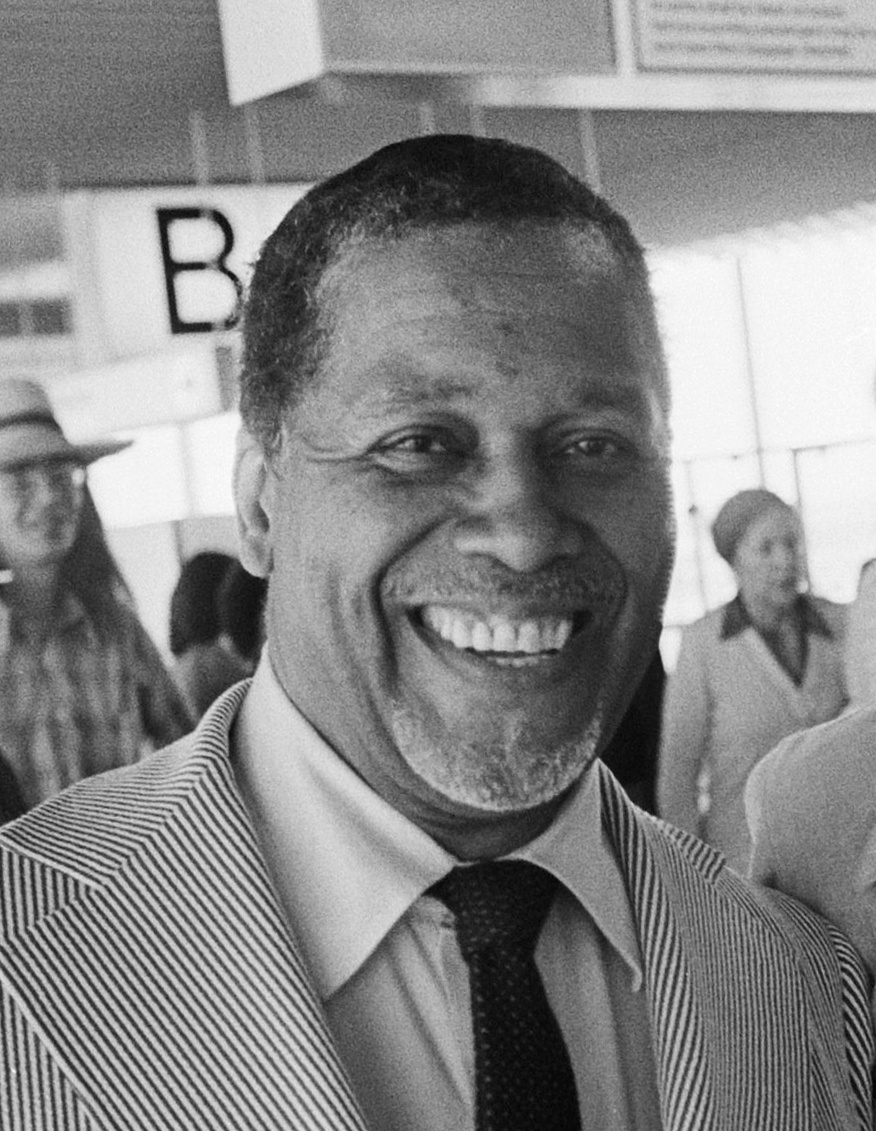
John Aaron Lewis (May 3, 1920 – March 29, 2001) was an American jazz pianist, composer and arranger, best known as the founder and musical director of the Modern Jazz Quartet.
John Lewis was born in La Grange, Illinois, and after his parents' divorce moved with his mother, a trained singer, to Albuquerque, New Mexico when he was two months old. She died from peritonitis when he was four and he was raised by his grandmother and great-grandmother.
He began learning classical music and piano at the age of seven. His family was musical and had a family band that allowed him to play frequently and he also played in a Boy Scout music group. Even though he learned piano by playing the classics, he was exposed to jazz from an early age because his aunt loved to dance and he would listen to the music she played.
After attending Albuquerque High School, he then studied at the University of New Mexico, where he led a small dance band that he formed and double majored in anthropology and music. His piano teacher at the university was Walter Keller, to whom he paid tribute on the title composition of the Modern Jazz Quartet's 1974 album In Memoriam. Eventually, he decided not to pursue anthropology because he was advised that careers from degrees in the subject did not pay well.
In 1942, Lewis entered the Army and played piano alongside Kenny Clarke, who influenced him to move to New York once their service was over. Lewis moved to New York in 1945 to pursue his musical studies at the Manhattan School of Music and eventually graduated with a master's degree in music in 1953. Although his move to New York turned his musical attention more towards jazz, he still frequently played and listened to classical works and composers such as Chopin, Bach and Beethoven.
Once Lewis moved to New York, Clarke introduced him to Dizzy Gillespie's bop-style big band. He successfully auditioned by playing a song called "Bright Lights" that he had written for the band he and Clarke played for in the Army. The tune he originally played for Gillespie, renamed "Two Bass Hit", became an instant success. Lewis composed, arranged and played piano for the band from 1946 until 1948 after the band made a concert tour of Europe. When Lewis returned from the tour with Gillespie's band, he left it to work individually. Lewis was an accompanist for Charlie Parker and played on some of Parker's famous recordings, such as "Parker's Mood" (1948) and "Blues for Alice" (1951), but also collaborated with other prominent jazz artists such as Lester Young, Ella Fitzgerald and Illinois Jacquet.
Lewis was also part of trumpeter Miles Davis's Birth of the Cool sessions. While in Europe, Lewis received letters from Davis urging him to come back to the United States and collaborate with him, Gil Evans, Gerry Mulligan and others on the second session of Birth of the Cool. From when he returned to the U.S. in 1948 through 1949, Lewis joined Davis's nonet and is considered "one of the more prolific arrangers with the 1949 Miles Davis Nonet". For the Birth of the Cool sessions, Lewis arranged "S'il Vous Plait", "Rouge", "Move" and "Budo".
Lewis, vibraphonist Milt Jackson, drummer Clarke and bassist Ray Brown had been the small group within the Gillespie big band, and they frequently played their own short sets when the brass and reeds needed a break or even when Gillespie's band was not playing. The small band received a lot of positive recognition and it led to the foursome forming a full-time working group, which they initially called the Milt Jackson Quartet in 1951 but in 1952 renamed the Modern Jazz Quartet.
Hub AI
John Lewis (pianist) AI simulator
(@John Lewis (pianist)_simulator)
John Lewis (pianist)
John Aaron Lewis (May 3, 1920 – March 29, 2001) was an American jazz pianist, composer and arranger, best known as the founder and musical director of the Modern Jazz Quartet.
John Lewis was born in La Grange, Illinois, and after his parents' divorce moved with his mother, a trained singer, to Albuquerque, New Mexico when he was two months old. She died from peritonitis when he was four and he was raised by his grandmother and great-grandmother.
He began learning classical music and piano at the age of seven. His family was musical and had a family band that allowed him to play frequently and he also played in a Boy Scout music group. Even though he learned piano by playing the classics, he was exposed to jazz from an early age because his aunt loved to dance and he would listen to the music she played.
After attending Albuquerque High School, he then studied at the University of New Mexico, where he led a small dance band that he formed and double majored in anthropology and music. His piano teacher at the university was Walter Keller, to whom he paid tribute on the title composition of the Modern Jazz Quartet's 1974 album In Memoriam. Eventually, he decided not to pursue anthropology because he was advised that careers from degrees in the subject did not pay well.
In 1942, Lewis entered the Army and played piano alongside Kenny Clarke, who influenced him to move to New York once their service was over. Lewis moved to New York in 1945 to pursue his musical studies at the Manhattan School of Music and eventually graduated with a master's degree in music in 1953. Although his move to New York turned his musical attention more towards jazz, he still frequently played and listened to classical works and composers such as Chopin, Bach and Beethoven.
Once Lewis moved to New York, Clarke introduced him to Dizzy Gillespie's bop-style big band. He successfully auditioned by playing a song called "Bright Lights" that he had written for the band he and Clarke played for in the Army. The tune he originally played for Gillespie, renamed "Two Bass Hit", became an instant success. Lewis composed, arranged and played piano for the band from 1946 until 1948 after the band made a concert tour of Europe. When Lewis returned from the tour with Gillespie's band, he left it to work individually. Lewis was an accompanist for Charlie Parker and played on some of Parker's famous recordings, such as "Parker's Mood" (1948) and "Blues for Alice" (1951), but also collaborated with other prominent jazz artists such as Lester Young, Ella Fitzgerald and Illinois Jacquet.
Lewis was also part of trumpeter Miles Davis's Birth of the Cool sessions. While in Europe, Lewis received letters from Davis urging him to come back to the United States and collaborate with him, Gil Evans, Gerry Mulligan and others on the second session of Birth of the Cool. From when he returned to the U.S. in 1948 through 1949, Lewis joined Davis's nonet and is considered "one of the more prolific arrangers with the 1949 Miles Davis Nonet". For the Birth of the Cool sessions, Lewis arranged "S'il Vous Plait", "Rouge", "Move" and "Budo".
Lewis, vibraphonist Milt Jackson, drummer Clarke and bassist Ray Brown had been the small group within the Gillespie big band, and they frequently played their own short sets when the brass and reeds needed a break or even when Gillespie's band was not playing. The small band received a lot of positive recognition and it led to the foursome forming a full-time working group, which they initially called the Milt Jackson Quartet in 1951 but in 1952 renamed the Modern Jazz Quartet.
Recent media