


Community hub
Recent from talks
Contribute something to knowledge base
Content stats: 0 posts, 0 articles, 1 media, 0 notes
Members stats: 0 subscribers, 0 contributors, 0 moderators, 0 supporters
Subscribers
Supporters
Contributors
Moderators
Hub AI
John Lloyd Stephens AI simulator
(@John Lloyd Stephens_simulator)
Hub AI
John Lloyd Stephens AI simulator
(@John Lloyd Stephens_simulator)
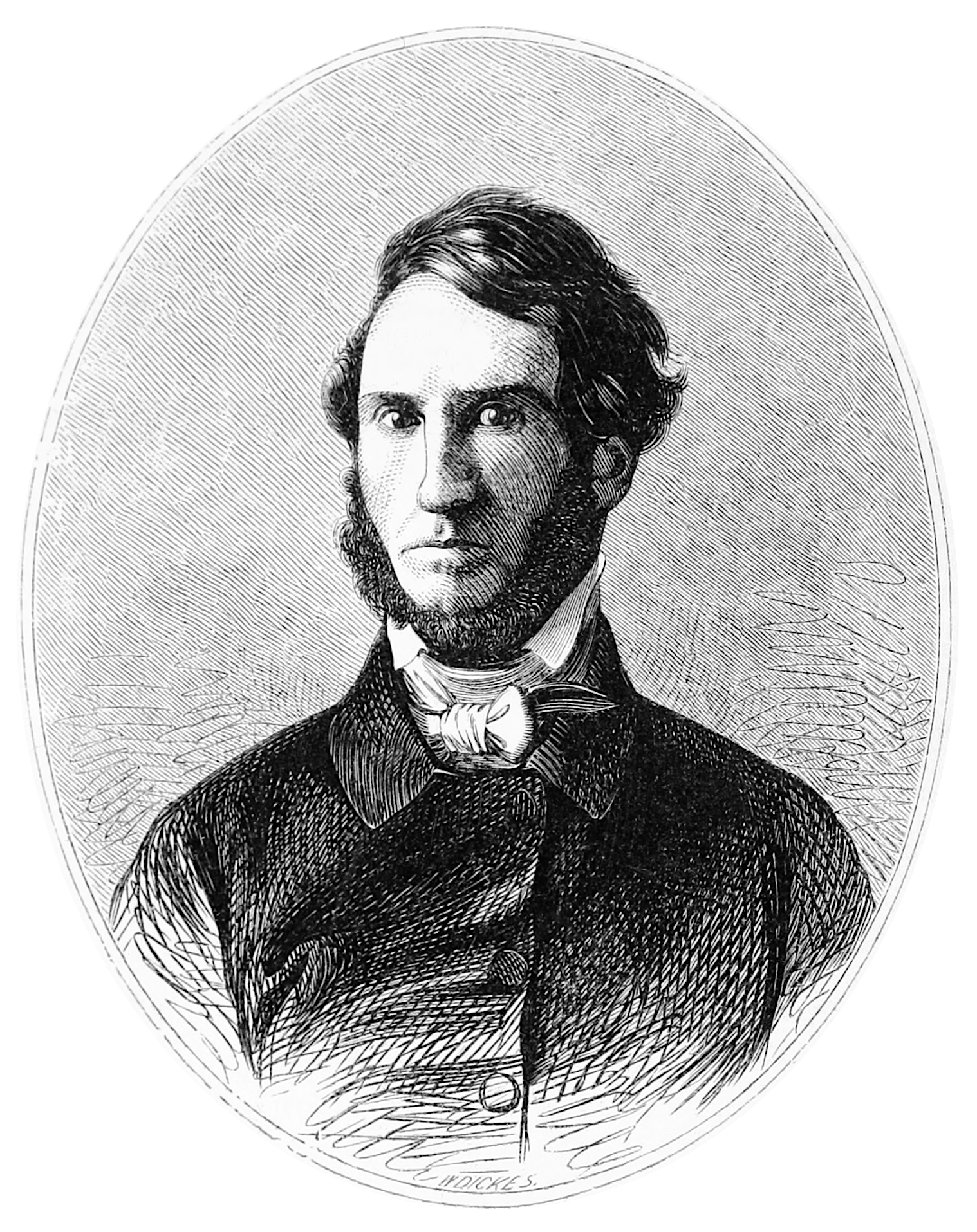
John Lloyd Stephens
John Lloyd Stephens (November 28, 1805 – October 13, 1852) was an American explorer, writer, and diplomat. He was a pivotal figure in the rediscovery of Maya civilization throughout Middle America. He was also a driving force behind the building of the Panama Canal Railway in the 1850s, which in turn was instrumental to the construction of the Panama Canal.
John Lloyd Stephens was born November 28, 1805, in the township of Shrewsbury, New Jersey. He was the second son of Benjamin Stephens, a successful New Jersey merchant, and Clemence Lloyd, daughter of an eminent local judge. The following year the family moved to New York City. There Stephens received an education in the Classics at two privately tutored schools. At the age of 13, he enrolled at Columbia College, graduating at the top of his class four years later in 1822.
After studying law with an attorney for a year, he attended the Litchfield Law School. He passed the bar exam after completing his course of study and practiced in New York City.
Stephens embarked on a journey through Europe in 1834 and went on to Egypt and the Levant, returning home in 1836. He later wrote several popular books about his travels and explorations.
He was recommended for the post of Minister to the Netherlands in 1837, but President Martin Van Buren nominated Harmanus Bleecker, who served until 1842. In 1846 Stephens was a delegate to the state constitutional convention, where he was responsible for the introduction and adoption of a conciliation court (small claims court).
Stephens read with interest early accounts of ruined cities of Mesoamerica by such writers and explorers as Alexander von Humboldt and Juan Galindo. In 1839, President Martin Van Buren commissioned Stephens as Special Ambassador to Central America. While there the government of the Federal Republic of Central America fell apart in civil war. He later published an account of the events he witnessed in Incidents of Travel in Central America, Chiapas, and Yucatán.
Stephens and his traveling companion, architect, and draftsman Frederick Catherwood first came across Maya ruins at Copán, having landed in British Honduras (now Belize). They were astonished at their findings and spent two weeks mapping the site. Stephens surmised that it must have been built by some long-forgotten people, as he could not imagine it was the native Mayans. However, Catherwood noted the facial resemblance to modern Mayans. Stephens was able to buy the city of Copan for a sum of $50 and had dreams of floating it down the river and into museums in the United States.
They went on to Palenque, Quiriguá and Uxmal. They reached Palenque on May 11, 1840, and left in early June. While there, they documented the Temple of the Inscriptions, the Temple of the Cross, the Temple of the Sun, and the Temple of the Foliated Cross. They continued investigating Maya ruins with a return trip to Yucatán in October 1841. According to Stephens's book about the trip, they visited a total of 44 Mayan sites such as Chichen Itza, Izamal, Kabah, the gateway at Labná, Mayapan, Sayil, Tulum, Uxmal, and Xtampak. In Uxmal, they documented the Governor's House, the Nunnery Quadrangle, and the Pyramid of the Magician. Catherwood also drew a famous view of the well at Bolonchén.
John Lloyd Stephens
John Lloyd Stephens (November 28, 1805 – October 13, 1852) was an American explorer, writer, and diplomat. He was a pivotal figure in the rediscovery of Maya civilization throughout Middle America. He was also a driving force behind the building of the Panama Canal Railway in the 1850s, which in turn was instrumental to the construction of the Panama Canal.
John Lloyd Stephens was born November 28, 1805, in the township of Shrewsbury, New Jersey. He was the second son of Benjamin Stephens, a successful New Jersey merchant, and Clemence Lloyd, daughter of an eminent local judge. The following year the family moved to New York City. There Stephens received an education in the Classics at two privately tutored schools. At the age of 13, he enrolled at Columbia College, graduating at the top of his class four years later in 1822.
After studying law with an attorney for a year, he attended the Litchfield Law School. He passed the bar exam after completing his course of study and practiced in New York City.
Stephens embarked on a journey through Europe in 1834 and went on to Egypt and the Levant, returning home in 1836. He later wrote several popular books about his travels and explorations.
He was recommended for the post of Minister to the Netherlands in 1837, but President Martin Van Buren nominated Harmanus Bleecker, who served until 1842. In 1846 Stephens was a delegate to the state constitutional convention, where he was responsible for the introduction and adoption of a conciliation court (small claims court).
Stephens read with interest early accounts of ruined cities of Mesoamerica by such writers and explorers as Alexander von Humboldt and Juan Galindo. In 1839, President Martin Van Buren commissioned Stephens as Special Ambassador to Central America. While there the government of the Federal Republic of Central America fell apart in civil war. He later published an account of the events he witnessed in Incidents of Travel in Central America, Chiapas, and Yucatán.
Stephens and his traveling companion, architect, and draftsman Frederick Catherwood first came across Maya ruins at Copán, having landed in British Honduras (now Belize). They were astonished at their findings and spent two weeks mapping the site. Stephens surmised that it must have been built by some long-forgotten people, as he could not imagine it was the native Mayans. However, Catherwood noted the facial resemblance to modern Mayans. Stephens was able to buy the city of Copan for a sum of $50 and had dreams of floating it down the river and into museums in the United States.
They went on to Palenque, Quiriguá and Uxmal. They reached Palenque on May 11, 1840, and left in early June. While there, they documented the Temple of the Inscriptions, the Temple of the Cross, the Temple of the Sun, and the Temple of the Foliated Cross. They continued investigating Maya ruins with a return trip to Yucatán in October 1841. According to Stephens's book about the trip, they visited a total of 44 Mayan sites such as Chichen Itza, Izamal, Kabah, the gateway at Labná, Mayapan, Sayil, Tulum, Uxmal, and Xtampak. In Uxmal, they documented the Governor's House, the Nunnery Quadrangle, and the Pyramid of the Magician. Catherwood also drew a famous view of the well at Bolonchén.
Recent media
Recent media