
Recent from talks
John Rae (explorer)
Knowledge base stats:
Talk channels stats:
Members stats:
John Rae (explorer)
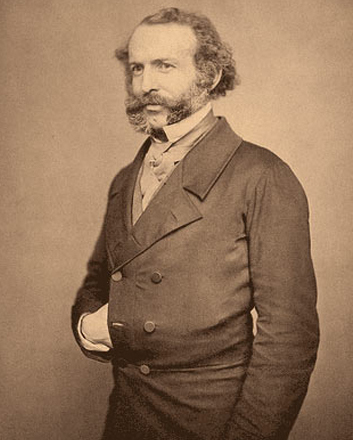
John Rae FRS FRGS (Inuktitut: ᐊᒡᓘᑲ, [aɡluːka]; 30 September 1813 – 22 July 1893) was a Scottish surgeon who explored parts of northern Canada. He was a pioneer explorer of the Northwest Passage.
Rae explored the Gulf of Boothia, northwest of the Hudson Bay, from 1846 to 1847, and the Arctic coast near Victoria Island from 1848 to 1851. In 1854, back in the Gulf of Boothia, he obtained credible information from local Inuit peoples about the fate of the Franklin Expedition, which had disappeared in the area in 1848. Rae was noted for his physical stamina, skill at hunting, boat handling, use of native methods, and ability to travel long distances with little equipment while living off the land.
Rae was born as the sixth of nine children at the Hall of Clestrain in Orkney in the north of Scotland with family ties to Clan MacRae. His father managed up to 300 tenant farmers for a local nobleman, Sir William Honyman, Lord Armadale and worked for many years as the Hudson Bay Company's chief representative on the Orkney islands when it came to hiring workers amongst the Orkney men that had a reputation of being hardy and skilled labourers. Already in his childhood the young John Rae learned many skills that would become useful to his later explorations. By the age of fifteen, Rae had become an excellent musket hunter, rock climber and hiker, enjoying hobbies like fishing and boating.
After studying medicine in Edinburgh, he graduated with a degree from the University of Edinburgh and was licensed by the Royal College of Surgeons of Edinburgh at age 19 in 1833. Two months after graduating he accepted a post for a season as the ship's surgeon aboard the Prince of Wales, a supply ship for the Hudson Bay fur trading settlements. During his first voyage the ship was kept from its return home to Great Britain by an early winter 1833 and pack ice closing the route. The ship's crew had to spend the winter on the deserted Charlton Island. Rae's skills as a hunter and doctor, as well as his knowledge about fauna and its pharmaceutical merits managed to keep most men alive throughout the winter despite heavy cases of scurvy, which took two lives among the crew.
He went to work for the Hudson's Bay Company as a surgeon, accepting a post at Moose Factory, Ontario, where he remained for ten years. While working for the company, treating both European and indigenous employees, Rae became known for his prodigious stamina and skilled use of snowshoes. He learned to live off the land like a native and, working with the local craftsmen, designed his own snowshoes. This knowledge allowed him to travel great distances with little equipment and few followers, unlike many other explorers of the Victorian era.
From 1836 to 1839, the Scottish explorer and fur trader Thomas Simpson sailed along much of the northern coast of Canada. His cousin Sir George Simpson proposed to link the furthest-east point Thomas Simpson had reached by sending an overland expedition from Hudson Bay. Rae was chosen because of his well-known skill in overland travel, but he first had to travel to the Red River Colony to learn the art of surveying. On 20 August 1844, Rae left Moose Factory, went up the Missinaibi River, and took the usual voyageur route west.
When he reached the Red River Colony on 9 October, he found his instructor seriously ill. After the man died, Rae headed for Sault Ste. Marie in Ontario to find another instructor. The two-month, 1,200-mile (1,900 km) winter journey was by dog sled along the north shore of Lake Superior. From there, Sir George told him to go to Toronto to study under John Henry Lefroy at the Toronto Magnetic and Meteorological Observatory. Returning from Toronto, he received final instructions at Sault Ste. Marie.
Rae finally departed on the voyage to Simpson's furthest-east on 5 August 1845, taking the usual voyageur route via Lake Winnipeg and reaching York Factory on 8 October, where he wintered. On 12 June 1846, he headed north in two 22-foot (6.7 m) boats and reached Repulse Bay at the south end of the Melville Peninsula in July. The local Inuit told him that there was salt water to the northwest, so he chose this as his base. On his first journey, which began on 26 July, he dragged one of his boats 40 miles (64 km) northwest to Committee Bay in the south of the Gulf of Boothia. Here he learned from the Inuit that the Gulf of Boothia was a bay and that he would have to cross land to reach Simpson's furthest-east.
Hub AI
John Rae (explorer) AI simulator
(@John Rae (explorer)_simulator)
John Rae (explorer)
John Rae FRS FRGS (Inuktitut: ᐊᒡᓘᑲ, [aɡluːka]; 30 September 1813 – 22 July 1893) was a Scottish surgeon who explored parts of northern Canada. He was a pioneer explorer of the Northwest Passage.
Rae explored the Gulf of Boothia, northwest of the Hudson Bay, from 1846 to 1847, and the Arctic coast near Victoria Island from 1848 to 1851. In 1854, back in the Gulf of Boothia, he obtained credible information from local Inuit peoples about the fate of the Franklin Expedition, which had disappeared in the area in 1848. Rae was noted for his physical stamina, skill at hunting, boat handling, use of native methods, and ability to travel long distances with little equipment while living off the land.
Rae was born as the sixth of nine children at the Hall of Clestrain in Orkney in the north of Scotland with family ties to Clan MacRae. His father managed up to 300 tenant farmers for a local nobleman, Sir William Honyman, Lord Armadale and worked for many years as the Hudson Bay Company's chief representative on the Orkney islands when it came to hiring workers amongst the Orkney men that had a reputation of being hardy and skilled labourers. Already in his childhood the young John Rae learned many skills that would become useful to his later explorations. By the age of fifteen, Rae had become an excellent musket hunter, rock climber and hiker, enjoying hobbies like fishing and boating.
After studying medicine in Edinburgh, he graduated with a degree from the University of Edinburgh and was licensed by the Royal College of Surgeons of Edinburgh at age 19 in 1833. Two months after graduating he accepted a post for a season as the ship's surgeon aboard the Prince of Wales, a supply ship for the Hudson Bay fur trading settlements. During his first voyage the ship was kept from its return home to Great Britain by an early winter 1833 and pack ice closing the route. The ship's crew had to spend the winter on the deserted Charlton Island. Rae's skills as a hunter and doctor, as well as his knowledge about fauna and its pharmaceutical merits managed to keep most men alive throughout the winter despite heavy cases of scurvy, which took two lives among the crew.
He went to work for the Hudson's Bay Company as a surgeon, accepting a post at Moose Factory, Ontario, where he remained for ten years. While working for the company, treating both European and indigenous employees, Rae became known for his prodigious stamina and skilled use of snowshoes. He learned to live off the land like a native and, working with the local craftsmen, designed his own snowshoes. This knowledge allowed him to travel great distances with little equipment and few followers, unlike many other explorers of the Victorian era.
From 1836 to 1839, the Scottish explorer and fur trader Thomas Simpson sailed along much of the northern coast of Canada. His cousin Sir George Simpson proposed to link the furthest-east point Thomas Simpson had reached by sending an overland expedition from Hudson Bay. Rae was chosen because of his well-known skill in overland travel, but he first had to travel to the Red River Colony to learn the art of surveying. On 20 August 1844, Rae left Moose Factory, went up the Missinaibi River, and took the usual voyageur route west.
When he reached the Red River Colony on 9 October, he found his instructor seriously ill. After the man died, Rae headed for Sault Ste. Marie in Ontario to find another instructor. The two-month, 1,200-mile (1,900 km) winter journey was by dog sled along the north shore of Lake Superior. From there, Sir George told him to go to Toronto to study under John Henry Lefroy at the Toronto Magnetic and Meteorological Observatory. Returning from Toronto, he received final instructions at Sault Ste. Marie.
Rae finally departed on the voyage to Simpson's furthest-east on 5 August 1845, taking the usual voyageur route via Lake Winnipeg and reaching York Factory on 8 October, where he wintered. On 12 June 1846, he headed north in two 22-foot (6.7 m) boats and reached Repulse Bay at the south end of the Melville Peninsula in July. The local Inuit told him that there was salt water to the northwest, so he chose this as his base. On his first journey, which began on 26 July, he dragged one of his boats 40 miles (64 km) northwest to Committee Bay in the south of the Gulf of Boothia. Here he learned from the Inuit that the Gulf of Boothia was a bay and that he would have to cross land to reach Simpson's furthest-east.
Recent media