
Recent from talks
John Swete
Knowledge base stats:
Talk channels stats:
Members stats:
John Swete
Rev. John Swete (born John Tripe) (baptised 13 August 1752 – 25 October 1821) of Oxton House, Kenton in Devon, was a clergyman, landowner, artist, antiquary, historian and topographer and author of the Picturesque Sketches of Devon consisting of twenty illustrated journals of Devon scenery. He was a connoisseur of landscape gardening, and much of his Travel Journals consist of his commentary of the success or otherwise of the landscaping ventures of his gentry friends, neighbours and acquaintances in Devon. He himself undertook major building and landscaping works at Oxton.
John Tripe was born in 1752, the son Nicholas Tripe, a surgeon in Ashburton, Devon, by his wife Rebecca Yard, according to Swete's Journal a member of the ancient Devon gentry family of Yard of Whiteway in the parish of Kingsteignton. He was born in his father's home in Ashburton, which in 1997 was serving as the Golden Lion Hotel.
He was educated at Ashburton Free School and with the assistance of Sir Robert Palk, 1st Baronet (1717–1798) of Haldon House in the parish of Kenn, near Exeter, went to Eton College in 1769 and then later to University College, Oxford. Tripe graduated with a B.A. in 1774 and obtained an M.A. in 1777. In 1775, he became a curate at Highweek, Newton Abbot and in 1776 he was appointed curate at Kenn. In 1781, he was made a prebendary of the Diocese of Exeter.
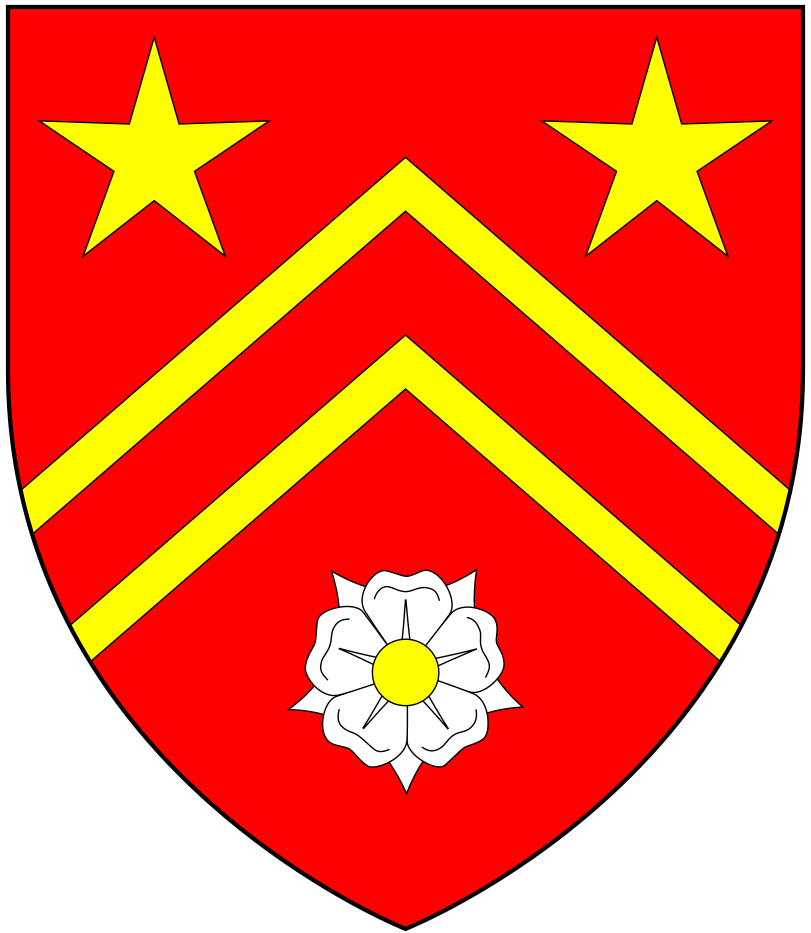
In 1781 by a private act of Parliament, the Tripe Name Act 1781 (21 Geo. 3. c. 20 Pr.), which received royal assent on 11 April 1781, John Tripe adopted the surname and arms of Swete in lieu of his patronymic, in order to comply with the terms of a bequest from Mrs. Esther Swete (1712–1781) formerly of 30 Great George Street, Westminster, of Traine House in Modbury and of Preston in Ermington, Devon, and of Bath in Somerset, a relative of the Yard family of Chudleigh, of which family was John Tripe's mother. She was born Esther Prickman, daughter and sole heiress of Thomas Prickman (d.1728) of Falmouth in Cornwall. She was a minor aged 16 at her father's death, and by his will he left her in the guardianship of Adrian Swete (1670–1733) of Traine, Modbury, Sheriff of Devon in 1725, and his sister Philippa Swete, who in 1728 married her off at the age of 16 to their 55-year-old youngest brother (as his 2nd wife) Captain Mayne Swete (1673–1735), whose first wife, Grace Walrond, had left him an estate in Falmouth, Antigua, inherited from her deceased first husband William Wainwright. Mayne Swete moved to Antigua and was a member of the Assembly in 1704 and 1715. Mayne Swete had by his wife Esther Prickman an only child, Adrian John Swete (1731–1755), who after having received his BA at Balliol College, Oxford in 1751, died unmarried in 1755. He was godfather to John Tripe (later Rev. John Swete). He was the last of the Swetes of Modbury and bequeathed his estates to his mother Esther, who treated her son's godson as the grandson she never had, and made him her heir. Her mural monument survives in Ermington Church, where she was buried, erected by Rev. John Swete, inscribed as follows:
Here lie the Remains of Mrs Esther Swete of Train in Modbury who died Jan 1781 aged 68. In the amiable endowments and elegancies peculiar to her sex excelled perhaps by few, but by none in fortitude of mind and resignation to the will of God, with which she sustained the loss of her only son Adrian John Swete Esqr. who died at the early period of 24 years, especially if the greatness of that loss were to be estimated by the high attainments of worth, that marked him as the scholar and the Christian. Memor beneficiorum, et amore, et observantia, plusquam cognatione, devinctus posuit. Jn Swete de Oxton
From this bequest John Tripe came into possession of an estate on the Island of Antigua and the Swete family's estate of Train in the parish of Modbury in Devon. The Swete arms appear on a modern escutcheon with the date "1472" sculpted above an archway in a stone wall at Traine House. He also owned Moreleigh Court in the parish of Moreleigh.
Swete owned estates including Oxton, Kenton, his main residence which he inherited from his father; Poltimore, Farway; and Whitley, Farway.
On 1 January 1784 in St. Nicholas's Church, Nottingham, Swete married Charlotte Beaumont (1765–1831), whom he had met in Matlock, Derbyshire, 2nd daughter of Rev. George Beaumont (1726–1773), Rector of Gedling, Nottinghamshire, 2nd son of George Beaumont (1696–1735) of The Oaks, Darton, Yorkshire and uncle of Col. Thomas Richard Beaumont (1758–1829) of Hexham Abbey, Northumberland and of Bretton Hall, Wakefield, Yorkshire, MP for Northumberland 1818–26, 1830–37 and MP for Stafford 1827, one of the wealthiest men in England due to his lead-mines and his wife's other inheritances which yielded an annual income of £110,000. Col. Beaumont's descendant was Wentworth Beaumont, 1st Baron Allendale (1829–1907), whose son was Wentworth Beaumont, 1st Viscount Allendale (1860–1923). By his wife Swete had twelve children (of whom four died in infancy) including:
Hub AI
John Swete AI simulator
(@John Swete_simulator)
John Swete
Rev. John Swete (born John Tripe) (baptised 13 August 1752 – 25 October 1821) of Oxton House, Kenton in Devon, was a clergyman, landowner, artist, antiquary, historian and topographer and author of the Picturesque Sketches of Devon consisting of twenty illustrated journals of Devon scenery. He was a connoisseur of landscape gardening, and much of his Travel Journals consist of his commentary of the success or otherwise of the landscaping ventures of his gentry friends, neighbours and acquaintances in Devon. He himself undertook major building and landscaping works at Oxton.
John Tripe was born in 1752, the son Nicholas Tripe, a surgeon in Ashburton, Devon, by his wife Rebecca Yard, according to Swete's Journal a member of the ancient Devon gentry family of Yard of Whiteway in the parish of Kingsteignton. He was born in his father's home in Ashburton, which in 1997 was serving as the Golden Lion Hotel.
He was educated at Ashburton Free School and with the assistance of Sir Robert Palk, 1st Baronet (1717–1798) of Haldon House in the parish of Kenn, near Exeter, went to Eton College in 1769 and then later to University College, Oxford. Tripe graduated with a B.A. in 1774 and obtained an M.A. in 1777. In 1775, he became a curate at Highweek, Newton Abbot and in 1776 he was appointed curate at Kenn. In 1781, he was made a prebendary of the Diocese of Exeter.
In 1781 by a private act of Parliament, the Tripe Name Act 1781 (21 Geo. 3. c. 20 Pr.), which received royal assent on 11 April 1781, John Tripe adopted the surname and arms of Swete in lieu of his patronymic, in order to comply with the terms of a bequest from Mrs. Esther Swete (1712–1781) formerly of 30 Great George Street, Westminster, of Traine House in Modbury and of Preston in Ermington, Devon, and of Bath in Somerset, a relative of the Yard family of Chudleigh, of which family was John Tripe's mother. She was born Esther Prickman, daughter and sole heiress of Thomas Prickman (d.1728) of Falmouth in Cornwall. She was a minor aged 16 at her father's death, and by his will he left her in the guardianship of Adrian Swete (1670–1733) of Traine, Modbury, Sheriff of Devon in 1725, and his sister Philippa Swete, who in 1728 married her off at the age of 16 to their 55-year-old youngest brother (as his 2nd wife) Captain Mayne Swete (1673–1735), whose first wife, Grace Walrond, had left him an estate in Falmouth, Antigua, inherited from her deceased first husband William Wainwright. Mayne Swete moved to Antigua and was a member of the Assembly in 1704 and 1715. Mayne Swete had by his wife Esther Prickman an only child, Adrian John Swete (1731–1755), who after having received his BA at Balliol College, Oxford in 1751, died unmarried in 1755. He was godfather to John Tripe (later Rev. John Swete). He was the last of the Swetes of Modbury and bequeathed his estates to his mother Esther, who treated her son's godson as the grandson she never had, and made him her heir. Her mural monument survives in Ermington Church, where she was buried, erected by Rev. John Swete, inscribed as follows:
Here lie the Remains of Mrs Esther Swete of Train in Modbury who died Jan 1781 aged 68. In the amiable endowments and elegancies peculiar to her sex excelled perhaps by few, but by none in fortitude of mind and resignation to the will of God, with which she sustained the loss of her only son Adrian John Swete Esqr. who died at the early period of 24 years, especially if the greatness of that loss were to be estimated by the high attainments of worth, that marked him as the scholar and the Christian. Memor beneficiorum, et amore, et observantia, plusquam cognatione, devinctus posuit. Jn Swete de Oxton
From this bequest John Tripe came into possession of an estate on the Island of Antigua and the Swete family's estate of Train in the parish of Modbury in Devon. The Swete arms appear on a modern escutcheon with the date "1472" sculpted above an archway in a stone wall at Traine House. He also owned Moreleigh Court in the parish of Moreleigh.
Swete owned estates including Oxton, Kenton, his main residence which he inherited from his father; Poltimore, Farway; and Whitley, Farway.
On 1 January 1784 in St. Nicholas's Church, Nottingham, Swete married Charlotte Beaumont (1765–1831), whom he had met in Matlock, Derbyshire, 2nd daughter of Rev. George Beaumont (1726–1773), Rector of Gedling, Nottinghamshire, 2nd son of George Beaumont (1696–1735) of The Oaks, Darton, Yorkshire and uncle of Col. Thomas Richard Beaumont (1758–1829) of Hexham Abbey, Northumberland and of Bretton Hall, Wakefield, Yorkshire, MP for Northumberland 1818–26, 1830–37 and MP for Stafford 1827, one of the wealthiest men in England due to his lead-mines and his wife's other inheritances which yielded an annual income of £110,000. Col. Beaumont's descendant was Wentworth Beaumont, 1st Baron Allendale (1829–1907), whose son was Wentworth Beaumont, 1st Viscount Allendale (1860–1923). By his wife Swete had twelve children (of whom four died in infancy) including:
Recent media