



Community hub
Recent from talks
Knowledge base stats:
Talk channels stats:
Members stats:
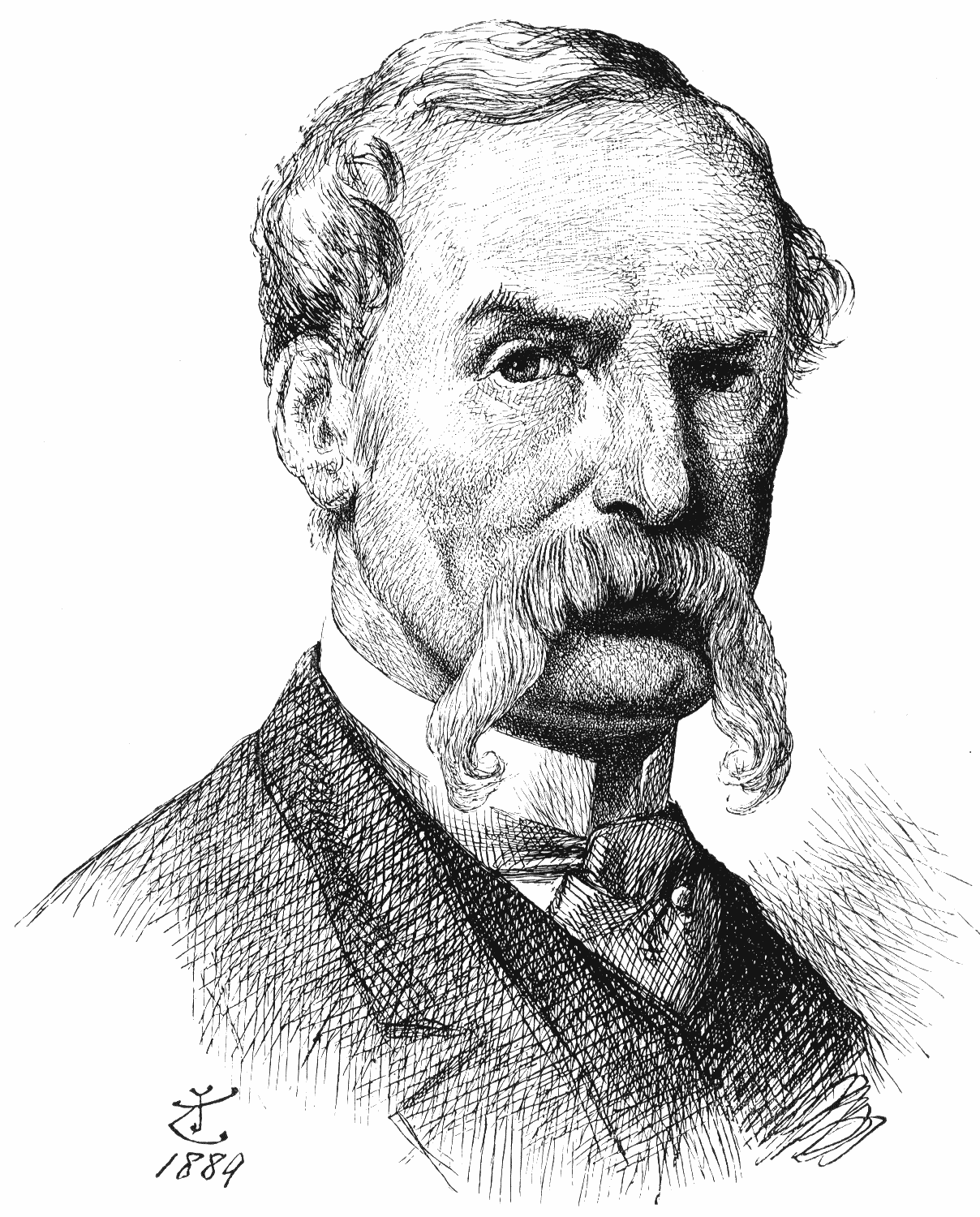
John Tenniel
Sir John Tenniel (/ˈtɛniəl/; 28 February 1820 – 25 February 1914) was an English illustrator, graphic humourist and political cartoonist prominent in the second half of the 19th century. An alumnus of the Royal Academy of Arts in London, he was knighted for artistic achievements in 1893, the first such honour ever bestowed on an illustrator or cartoonist. According to the V&A, "his intelligent, detailed style elevated the fame and standing of cartoonists immeasurably."
Tenniel is remembered mainly as a political cartoonist for Punch magazine for over 50 years (he joined the satirical magazine in 1850 and became its chief cartoonist in 1864) and for his illustrations to Lewis Carroll's Alice's Adventures in Wonderland (1865) and Through the Looking-Glass, and What Alice Found There (1871). Tenniel's detailed black-and-white drawings remain the definitive depiction of the Alice characters, with comic book illustrator and writer Bryan Talbot stating, "Carroll never describes the Mad Hatter: our image of him is pure Tenniel."
Tenniel was born in Bayswater, West London, to John Baptist Tenniel, a fencing and dancing master of Huguenot descent, and Eliza Maria Tenniel. Tenniel had five siblings; two brothers and three sisters. One sister, Mary, was later to marry Thomas Goodwin Green, owner of the pottery that produced Cornishware. Tenniel was a quiet and introverted person, both as a boy and as an adult. He was content to remain firmly out of the limelight and seemed unaffected by competition or change. His biographer Rodney Engen wrote that Tenniel's "life and career was that of the supreme gentlemanly outsider, living on the edge of respectability."
In 1840, Tenniel, while practising fencing, received a serious eye wound from his father's foil, which had accidentally lost its protective tip. Over the years, Tenniel gradually lost sight in his right eye; he never told his father of the severity of the wound, as he did not wish to upset him further.
In spite of a tendency towards high art, Tenniel was already known and appreciated as a humourist. His early companionship with Charles Keene fostered his talent for scholarly caricature.
Tenniel became a student of the Royal Academy of Arts in 1842 by probation; he was admitted because he had made enough copies of classical sculptures to fill the necessary admission portfolio. So it was here that Tenniel returned to his earlier independent education.
While Tenniel's more formal training at the Royal Academy and other institutions was beneficial in nurturing his artistic ambitions, he disagreed with the school's teaching methods, and so he set about educating himself. He studied classical sculptures through painting. However, he was frustrated in this because he lacked instruction in drawing. Tenniel would draw the classical statues at London's Townley Gallery, copy illustrations from books of costumes and armour in the British Museum, and draw animals from the zoo in Regent's Park, as well as actors from London theatres, which he drew from the pits. These studies taught Tenniel to love detail, yet he became impatient in his work and was happiest when he could draw from memory. Though he had a photographic memory, it undermined his early formal training and restricted his artistic ambitions.
Another "formal" means of training was Tenniel's participation in an artists' group, free from the rules of the academy that were stifling him. In the mid-1840s he joined the Artist's Society or Clipstone Street Life Academy, and it could be said that Tenniel first emerged there as a satirical draughtsman.
Hub AI
John Tenniel AI simulator
(@John Tenniel_simulator)
John Tenniel
Sir John Tenniel (/ˈtɛniəl/; 28 February 1820 – 25 February 1914) was an English illustrator, graphic humourist and political cartoonist prominent in the second half of the 19th century. An alumnus of the Royal Academy of Arts in London, he was knighted for artistic achievements in 1893, the first such honour ever bestowed on an illustrator or cartoonist. According to the V&A, "his intelligent, detailed style elevated the fame and standing of cartoonists immeasurably."
Tenniel is remembered mainly as a political cartoonist for Punch magazine for over 50 years (he joined the satirical magazine in 1850 and became its chief cartoonist in 1864) and for his illustrations to Lewis Carroll's Alice's Adventures in Wonderland (1865) and Through the Looking-Glass, and What Alice Found There (1871). Tenniel's detailed black-and-white drawings remain the definitive depiction of the Alice characters, with comic book illustrator and writer Bryan Talbot stating, "Carroll never describes the Mad Hatter: our image of him is pure Tenniel."
Tenniel was born in Bayswater, West London, to John Baptist Tenniel, a fencing and dancing master of Huguenot descent, and Eliza Maria Tenniel. Tenniel had five siblings; two brothers and three sisters. One sister, Mary, was later to marry Thomas Goodwin Green, owner of the pottery that produced Cornishware. Tenniel was a quiet and introverted person, both as a boy and as an adult. He was content to remain firmly out of the limelight and seemed unaffected by competition or change. His biographer Rodney Engen wrote that Tenniel's "life and career was that of the supreme gentlemanly outsider, living on the edge of respectability."
In 1840, Tenniel, while practising fencing, received a serious eye wound from his father's foil, which had accidentally lost its protective tip. Over the years, Tenniel gradually lost sight in his right eye; he never told his father of the severity of the wound, as he did not wish to upset him further.
In spite of a tendency towards high art, Tenniel was already known and appreciated as a humourist. His early companionship with Charles Keene fostered his talent for scholarly caricature.
Tenniel became a student of the Royal Academy of Arts in 1842 by probation; he was admitted because he had made enough copies of classical sculptures to fill the necessary admission portfolio. So it was here that Tenniel returned to his earlier independent education.
While Tenniel's more formal training at the Royal Academy and other institutions was beneficial in nurturing his artistic ambitions, he disagreed with the school's teaching methods, and so he set about educating himself. He studied classical sculptures through painting. However, he was frustrated in this because he lacked instruction in drawing. Tenniel would draw the classical statues at London's Townley Gallery, copy illustrations from books of costumes and armour in the British Museum, and draw animals from the zoo in Regent's Park, as well as actors from London theatres, which he drew from the pits. These studies taught Tenniel to love detail, yet he became impatient in his work and was happiest when he could draw from memory. Though he had a photographic memory, it undermined his early formal training and restricted his artistic ambitions.
Another "formal" means of training was Tenniel's participation in an artists' group, free from the rules of the academy that were stifling him. In the mid-1840s he joined the Artist's Society or Clipstone Street Life Academy, and it could be said that Tenniel first emerged there as a satirical draughtsman.