
Recent from talks
John Wilkes
Knowledge base stats:
Talk channels stats:
Members stats:
John Wilkes
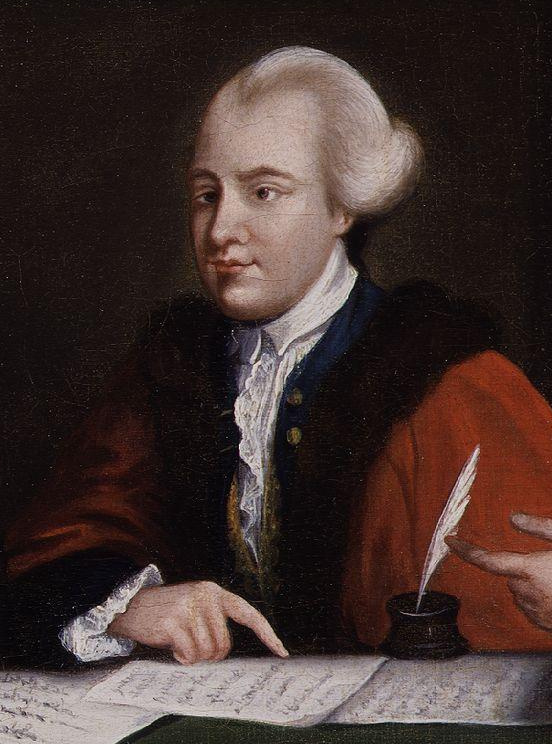
John Wilkes FRS (17 October 1725 – 26 December 1797) was an English radical, journalist, politician, magistrate, essayist, and soldier. He was first elected a Member of Parliament in 1757. In the Middlesex election dispute, he fought for the right of his voters – rather than the House of Commons – to determine their representatives. In 1768, angry protests of his supporters were suppressed in the Massacre of St George's Fields. In 1771, he was instrumental in obliging the government to concede the right of printers to publish verbatim accounts of parliamentary debates. In 1776, he introduced the first bill for parliamentary reform in the British Parliament.
During the American War of Independence, he was a supporter of the rebels, adding further to his popularity with American Whigs. However, in 1780 he commanded militia forces which helped put down the Gordon Riots, damaging his popularity with many radicals. This marked a turning point, leading him to embrace increasingly conservative policies which caused dissatisfaction among the radical low-to-middle income landowners. This was instrumental in the loss of his Middlesex parliamentary seat in the 1790 general election. At the age of 65, Wilkes retired from politics and took no part in the social reforms following the French Revolution, such as Catholic Emancipation in the 1790s. During his life, he earned a reputation as a libertine.
Born in the Clerkenwell neighborhood of central London, John Wilkes was the third child of distiller Israel Wilkes Jr. and Sarah Wilkes, née Heaton. His siblings included: eldest sister Sarah Wilkes, born 1721; elder brother Israel Wilkes III (1722–1805); younger brother Heaton Wilkes (1727–1803); younger sister Mary Hayley, née Wilkes (1728–1808); and youngest sister Ann Wilkes (1736–1750), who died from smallpox at the age of 14.
John Wilkes was educated initially at an academy in Hertford; this was followed by private tutoring and finally a stint at the University of Leiden in the Dutch Republic. There he met Andrew Baxter, a Presbyterian clergyman who greatly influenced Wilkes' views on religion. Although Wilkes remained in the Church of England throughout his life, he had a deep sympathy for non-conformist Protestants and was an advocate of religious tolerance from an early age. Wilkes was also beginning to develop a deep patriotism for his country. During the Jacobite rebellion of 1745, he rushed home to London to join a Loyal Association and readied to defend the capital. Once the rebellion had ended after the Battle of Culloden, Wilkes returned to the Netherlands to complete his studies.
In 1747, he married Mary Meade (1715–1784) and came into possession of an estate and income in Buckinghamshire. They had one child, Mary (known as Polly), to whom John was utterly devoted for the rest of his life. Wilkes and Mary, however, separated in 1756, a separation that became permanent. Wilkes never married again, but he gained a reputation as a rake. He was known to have fathered two other children, John Henry Smith and Harriet Wilkes.
Wilkes was elected a Fellow of the Royal Society in 1749 and appointed High Sheriff of Buckinghamshire in 1754. He was an unsuccessful candidate for Berwick in the 1754 parliamentary elections but was elected for Aylesbury in 1757 and again in 1761. Elections took place at St Mary the Virgin's Church, Aylesbury where he held a manorial pew. He lived at the Prebendal House, Parsons Fee, Aylesbury.
He was a member of the Knights of St Francis of Wycombe, also known as the Hellfire Club or the Medmenham Monks, and was the instigator of a prank that may have hastened its dissolution. The club had many distinguished members, including John Montagu, 4th Earl of Sandwich and Sir Francis Dashwood. Wilkes reportedly brought a mandrill, dressed in a cape and horns and his natural features made even more striking with daubs of phosphorus, into the rituals performed at the club, producing considerable mayhem among the inebriated initiates.
Wilkes was notoriously ugly, being called the ugliest man in England at the time. He possessed an unsightly squint and protruding jaw, but he had a charm that carried all before it. He boasted that it "took him only half an hour to talk away his face", though the duration required changed on the several occasions Wilkes repeated the claim. He also declared that "a month's start of his rival on account of his face" would secure him the conquest in any love affair.
Hub AI
John Wilkes AI simulator
(@John Wilkes_simulator)
John Wilkes
John Wilkes FRS (17 October 1725 – 26 December 1797) was an English radical, journalist, politician, magistrate, essayist, and soldier. He was first elected a Member of Parliament in 1757. In the Middlesex election dispute, he fought for the right of his voters – rather than the House of Commons – to determine their representatives. In 1768, angry protests of his supporters were suppressed in the Massacre of St George's Fields. In 1771, he was instrumental in obliging the government to concede the right of printers to publish verbatim accounts of parliamentary debates. In 1776, he introduced the first bill for parliamentary reform in the British Parliament.
During the American War of Independence, he was a supporter of the rebels, adding further to his popularity with American Whigs. However, in 1780 he commanded militia forces which helped put down the Gordon Riots, damaging his popularity with many radicals. This marked a turning point, leading him to embrace increasingly conservative policies which caused dissatisfaction among the radical low-to-middle income landowners. This was instrumental in the loss of his Middlesex parliamentary seat in the 1790 general election. At the age of 65, Wilkes retired from politics and took no part in the social reforms following the French Revolution, such as Catholic Emancipation in the 1790s. During his life, he earned a reputation as a libertine.
Born in the Clerkenwell neighborhood of central London, John Wilkes was the third child of distiller Israel Wilkes Jr. and Sarah Wilkes, née Heaton. His siblings included: eldest sister Sarah Wilkes, born 1721; elder brother Israel Wilkes III (1722–1805); younger brother Heaton Wilkes (1727–1803); younger sister Mary Hayley, née Wilkes (1728–1808); and youngest sister Ann Wilkes (1736–1750), who died from smallpox at the age of 14.
John Wilkes was educated initially at an academy in Hertford; this was followed by private tutoring and finally a stint at the University of Leiden in the Dutch Republic. There he met Andrew Baxter, a Presbyterian clergyman who greatly influenced Wilkes' views on religion. Although Wilkes remained in the Church of England throughout his life, he had a deep sympathy for non-conformist Protestants and was an advocate of religious tolerance from an early age. Wilkes was also beginning to develop a deep patriotism for his country. During the Jacobite rebellion of 1745, he rushed home to London to join a Loyal Association and readied to defend the capital. Once the rebellion had ended after the Battle of Culloden, Wilkes returned to the Netherlands to complete his studies.
In 1747, he married Mary Meade (1715–1784) and came into possession of an estate and income in Buckinghamshire. They had one child, Mary (known as Polly), to whom John was utterly devoted for the rest of his life. Wilkes and Mary, however, separated in 1756, a separation that became permanent. Wilkes never married again, but he gained a reputation as a rake. He was known to have fathered two other children, John Henry Smith and Harriet Wilkes.
Wilkes was elected a Fellow of the Royal Society in 1749 and appointed High Sheriff of Buckinghamshire in 1754. He was an unsuccessful candidate for Berwick in the 1754 parliamentary elections but was elected for Aylesbury in 1757 and again in 1761. Elections took place at St Mary the Virgin's Church, Aylesbury where he held a manorial pew. He lived at the Prebendal House, Parsons Fee, Aylesbury.
He was a member of the Knights of St Francis of Wycombe, also known as the Hellfire Club or the Medmenham Monks, and was the instigator of a prank that may have hastened its dissolution. The club had many distinguished members, including John Montagu, 4th Earl of Sandwich and Sir Francis Dashwood. Wilkes reportedly brought a mandrill, dressed in a cape and horns and his natural features made even more striking with daubs of phosphorus, into the rituals performed at the club, producing considerable mayhem among the inebriated initiates.
Wilkes was notoriously ugly, being called the ugliest man in England at the time. He possessed an unsightly squint and protruding jaw, but he had a charm that carried all before it. He boasted that it "took him only half an hour to talk away his face", though the duration required changed on the several occasions Wilkes repeated the claim. He also declared that "a month's start of his rival on account of his face" would secure him the conquest in any love affair.
Recent media